
Tietopankki koiran kouluttamiseen
Tässä oppaassa
Add H2 headings to the page to create the table of contents.
Loose Leash Walking – The Complete Guide to Teaching Your Dog walk nicely on a leash
Why Is Loose Leash Walking One of the Most Important Skills Your Dog Can Learn?
Loose leash walking is much more than simply moving from one place to another. It is a life skill that affects every walk, your dog's well-being, and the everyday life of your entire family.
Most dogs spend a large part of their lives walking on a leash. That's why learning to walk calmly on a loose leash is one of the most valuable skills a dog can develop. When your dog walks cooperatively without constantly pulling, every walk becomes safer, more enjoyable and less stressful for both of you.
Safety Comes First
Good leash manners help prevent dangerous situations before they happen.
A dog that doesn't lunge, pull or suddenly change direction is easier to manage around traffic, cyclists, pedestrians and other dogs. Calm leash walking also makes passing distractions much easier and helps your dog stay focused in unfamiliar environments.
Better Well-Being for Both Dog and Owner
Walking is about much more than physical exercise. For dogs, every walk is an opportunity to explore the world through their senses. Sniffing, observing their surroundings and discovering new scents are natural behaviours that support a dog's mental well-being.
Good leash walking does not mean that your dog should walk perfectly at your side throughout the entire walk. In fact, a balanced walk includes both calm walking and plenty of opportunities to sniff and explore. When dogs are allowed to use their noses, they exercise their brains, reduce stress and often return home feeling both mentally and physically satisfied.
Making Everyday Life Easier
When leash walking is enjoyable, everyday life becomes easier too.
Trips to the veterinarian, walks in busy cities, travelling, visiting friends and family, or exploring new places all become more relaxed. Instead of constantly holding back a pulling dog, you can focus on enjoying the time you spend together.
Supporting the Owner's Well-Being
A dog that constantly pulls on the leash can also put a strain on the owner. Over time, pulling may cause discomfort in the hands, shoulders or back, and many owners begin avoiding longer walks or new environments because walking has become exhausting.
Teaching your dog to walk calmly on a loose leash makes every outing more enjoyable. It encourages you to spend more time outdoors, explore new places and create positive experiences together.
Ultimately, loose leash walking is not just a training skill—it is a way of building trust, improving communication and making every walk safer, calmer and more enjoyable for both you and your dog.
Loose leash walking doesn't mean perfect heelwork. It means that you and your dog have learned to move through the world together, understand each other and enjoy the journey.
What Does Good Loose Leash Walking Really Mean?
Many people believe that a well-trained dog should walk perfectly beside its owner's leg throughout the entire walk. In reality, that isn't necessary—or even desirable—for most dogs.
Good loose leash walking is not about perfect heelwork. It is about the dog and owner moving together calmly, safely and cooperatively.
A good leash walk looks like this:
✔ The leash stays loose most of the time.
Your dog doesn't constantly pull ahead, and you don't have to keep holding your dog back. The leash may tighten occasionally, but overall the walk feels relaxed and enjoyable.
✔ Your dog is allowed to sniff and explore.
A walk is much more than physical exercise. Sniffing, exploring and observing the environment are natural behaviours that support your dog's mental well-being. A good walk includes plenty of opportunities to stop and let your dog "read the news" through its nose.
✔ The owner decides the direction when necessary.
In busy streets, parks and shared pathways, the owner should be able to guide the dog safely. The dog's role is to follow without constantly pulling or resisting.
However, not every walk has to follow the same rules.
When you have plenty of time and no particular destination, try letting your dog choose the route. Simply follow where its nose leads. One interesting scent leads to another, and an ordinary walk can turn into a shared adventure. You'll also learn a great deal about your dog's natural curiosity and experience the world from its perspective.
Good loose leash walking is not one rigid behaviour. It's the ability to adapt to different situations. Sometimes your dog needs to walk calmly beside you in a busy city. At other times, it should have the freedom to explore a forest on a long line. Both are examples of good leash walking—as long as you and your dog are working together.
The goal of loose leash walking isn't to keep your dog at your side every second. The goal is to teach your dog when it's time to walk together and when it's okay to explore the world.
Why Do Dogs Pull on the Leash?
Almost every dog pulls on the leash at some point. This doesn't usually mean your dog is being stubborn or trying to dominate you. In most cases, pulling is completely natural behaviour that has simply become rewarding for the dog over time.
Once you understand why your dog pulls, it becomes much easier to teach loose leash walking.
Your Dog Has Too Much Energy
If your dog doesn't get enough physical exercise, opportunities to move freely or mental stimulation, that extra energy often shows up during walks. An excited dog naturally wants to move quickly and explore everything around it.
However, simply increasing exercise is rarely enough. Your dog also needs to learn how to walk calmly on a leash.
Your Dog Is in a Hurry
The world is full of exciting smells, sounds and movement. Your dog wants to reach the next interesting scent, tree or patch of grass as quickly as possible.
For people, a walk is often about getting from one place to another.
For dogs, every walk is an adventure filled with information waiting to be discovered.
Pulling Works
From your dog's perspective, pulling is often successful.
When your dog pulls towards an interesting smell, another dog or a favourite place and eventually gets there, it learns that pulling achieves the desired result.
Every successful pull reinforces the behaviour.
That's why loose leash walking should teach the opposite lesson: a loose leash—not pulling—is what allows the walk to continue.
The Owner Has Accidentally Taught the Dog to Pull
This is probably the most common reason of all.
Many owners continue walking even when the leash is tight. Without realising it, they teach their dog that pulling is the fastest way to move forward.
This isn't bad dog training—it happens naturally to almost everyone.
The good news is that dogs can just as easily learn the opposite: moving forward becomes rewarding when the leash stays loose.
Breed Characteristics Matter
Not all dogs are built for the same type of walk.
Sled dogs were bred to pull.
Scent hounds were bred to follow smells.
Herding breeds were bred to work closely with people.
These natural instincts influence how different breeds behave on a leash.
That doesn't mean some dogs can't learn loose leash walking. It simply means that different breeds may need different training approaches, more patience or additional opportunities to satisfy their natural instincts in appropriate ways.
Pulling Doesn't Mean You Have a Bad Dog
In most cases, pulling simply means your dog hasn't yet learned what is expected, or that the environment is more rewarding than paying attention to you.
By teaching loose leash walking through positive reinforcement while also allowing your dog to move, sniff and express its natural behaviours, your walks will gradually become calmer, easier and more enjoyable for both of you.
Dogs don't pull because they want to be difficult. They pull because, from their perspective, it makes perfect sense. Once you understand the reason, you can teach a better alternative.
Teaching Loose Leash Walking Step by Step
Good loose leash walking doesn't happen by accident. It is built through small successes, consistent training and rewarding the right behaviour at the right moment. The goal isn't for your dog to learn as quickly as possible—it's to help your dog succeed one step at a time.
Step 1 – Build Attention
Every successful training session begins with attention.
Before teaching your dog to walk politely on a leash, it first needs to learn to pay attention to you. If your dog's focus is constantly on the environment, it will be difficult for it to understand what you are asking.
Start in a quiet location with very few distractions. Whenever your dog looks at you voluntarily, reward immediately. Over time, your dog will learn that checking in with you is always worthwhile.
Strong attention is the foundation of every other training skill.
Step 2 – Reward the Behaviour You Want
Dogs repeat behaviours that are rewarding.
Every moment your dog walks on a loose leash deserves recognition. Reward calm walking with a treat, praise, play or even permission to continue exploring an interesting scent.
The goal is simple:
A loose leash moves the walk forward—not pulling.
Step 3 – Perfect Your Timing
Timing is one of the biggest secrets of successful leash training.
Reward your dog the moment it makes the right choice. If you wait too long, your dog may not understand which behaviour earned the reward.
Even a delay of just a few seconds can reduce the effectiveness of the lesson. The more precise your timing, the faster your dog will learn.
Step 4 – Practise Often, Keep Sessions Short
Consistency is more important than long training sessions.
Just five minutes of focused practice each day can produce excellent results. Begin in quiet environments and gradually introduce more distractions as your dog's confidence grows.
Remember that not every walk has the same purpose. Some walks are training sessions. Others are simply for exercise, relaxation or allowing your dog to sniff and explore. When you decide the purpose of the walk before you leave home, it's much easier for your dog to understand what is expected.
Exercise 1 – Reward a Loose Leash
Start in a quiet environment.
Walk with your dog and reward every moment the leash remains loose and your dog walks calmly beside or near you.
The more often you reward success, the faster your dog learns that walking on a loose leash is worthwhile.
Exercise 2 – Stop When the Leash Becomes Tight
If your dog begins to pull, simply stop walking.
Don't pull your dog back or correct it.
Wait patiently until your dog loosens the leash or turns its attention back to you. The moment that happens, continue walking and reward your dog.
This teaches your dog that moving forward is only possible when the leash is loose.
Exercise 3 – Change Direction
Surprise your dog by calmly changing direction during the walk.
When your dog follows you and the leash remains loose, reward immediately.
This simple exercise teaches your dog to pay attention to your movements instead of constantly leading the walk.
Train'N'Treat Tip
Loose leash walking is built through hundreds of small successes—not one long training session.
The more accurately you reward the correct behaviour, the faster your dog will understand what you want. Short, positive training sessions with plenty of successful repetitions almost always produce better long-term results than long, exhausting walks focused only on correcting mistakes.
Loose leash walking isn't taught by correcting pulling. It's taught by rewarding every moment your dog gets it right.
Different Types of Walks – Every Walk Has a Purpose
Not every walk should look the same—and they shouldn't.
One of the most common mistakes dog owners make is expecting the same behaviour from their dog on every walk. In reality, dogs find it much easier to succeed when both the owner and the dog understand the purpose of the walk.
Is this a quick toilet break? A training session? A safe walk through the city? Or a relaxing adventure in the forest?
When you decide the purpose of the walk before leaving home, your dog will find it much easier to understand what is expected.
Toilet Walk – Let Your Dog Be a Dog
A toilet walk isn't about exercise or training.
Its purpose is to give your dog time to relieve itself, sniff, explore and relax. Sniffing is one of the most natural behaviours a dog can perform. It provides mental stimulation, reduces stress and allows your dog to gather information about its environment.
During a toilet walk, there's no need to focus on perfect loose leash walking or constant obedience. Allow your dog to stop, investigate interesting scents and "read the neighbourhood news" left behind by other dogs. Even a few minutes of relaxed sniffing can be surprisingly mentally tiring.
City Walk – Safety Comes First
The purpose of a city walk is safe and predictable movement.
Busy streets, cyclists, traffic, strollers, pedestrians and other dogs require your dog to stay calm and attentive.
During these walks, keep the leash relatively short and encourage frequent attention towards you. Your dog doesn't need to walk in perfect heel position, but it should stay under control and allow you to guide the direction safely.
Forest Walk – Freedom with Safety
The forest offers your dog the opportunity to express its natural behaviours.
A long line gives your dog the freedom to explore, sniff and move at a more natural pace while still keeping it safely under control.
The goal of a forest walk isn't perfect leash manners. It's about exploration, enrichment, exercise and enjoying nature together.
Adventure Walk – Enjoy the Journey Together
Not every outing needs to be a training session.
Sometimes the best walk is simply a shared adventure.
If you have plenty of time, let your dog choose the route from time to time. Follow where its nose leads and discover the world through your dog's eyes. One interesting scent leads to another, and an ordinary walk can become an unexpected adventure.
These moments strengthen your relationship and provide your dog with valuable mental stimulation.
Training Walk – Focus on One Skill
A training walk is different from an ordinary walk.
Its purpose is to practise one specific skill, such as loose leash walking, attention, passing distractions or calm behaviour.
Training sessions don't need to be long. In fact, 5 to 15 minutes of focused practice is often more effective than an hour of constant corrections.
Keep the sessions short, reward generously and finish while your dog is still motivated.
Not Every Walk Needs Training
Many owners try to train everything on every walk. This often leads to frustration for both the dog and the owner.
When each walk has a clear purpose, life becomes easier. Some walks are for training. Some are for safe travel through busy environments. Others are simply opportunities for your dog to relax, sniff and enjoy being a dog.
A balanced routine includes all of them.
The best loose leash walking isn't about keeping your dog beside you every second. It's about knowing the purpose of today's walk and helping your dog succeed in that situation.
Collar or Harness? Choosing the Right Walking Equipment
The right equipment makes every walk safer, more comfortable and more enjoyable for both you and your dog. However, there is no single solution that fits every dog.
The best choice depends on your dog's age, size, breed, training level and the type of walk you're planning.
Above all, your equipment should fit properly, be safe to use and allow your dog to move naturally.
When Is a Collar the Right Choice?
A collar is a good option for dogs that already walk calmly on a loose leash and don't pull continuously.
It's lightweight, quick to put on and works well for:
- Short toilet walks
- Calm walks around the neighbourhood
- Adult dogs with good leash manners
If your dog regularly pulls hard on the leash, a collar places pressure directly on the neck. For this reason, it shouldn't be used as a solution for managing pulling.
When Should You Choose a Y-Shaped Harness?
A well-fitted Y-shaped harness distributes pressure across the dog's chest and shoulders while allowing full freedom of movement.
Y-shaped harnesses are an excellent choice for:
- Puppies
- Young dogs
- Active dogs
- Longer walks and hikes
- Dogs that are still learning loose leash walking
Choose a harness that doesn't restrict your dog's shoulder movement or rub against the skin.
When Should You Use a Long Line?
A long line gives your dog more freedom while keeping it safely under control.
It's ideal for:
- Forest walks
- Recall training
- Sniffing walks
- Young dogs that are not yet ready for off-leash freedom
A long line allows your dog to move more naturally, explore the environment and enjoy greater freedom without compromising safety.
What Type of Leash Is Best?
For most dogs, a standard leash of 2–3 metres (6–10 feet) is the most versatile option.
It provides enough freedom for natural movement while allowing the owner to maintain good control. Choose a leash that feels comfortable in your hand and is appropriate for your dog's size and strength.
When Is a Retractable Leash (Flexi) a Good Choice?
A retractable leash can work well in open areas with plenty of space and few distractions.
It allows your dog more freedom without handling a long line and can be useful for relaxed walks in quiet environments.
However, it works best with dogs that already have good leash manners and respond reliably to their owner.
When Should You Avoid a Retractable Leash?
A retractable leash is generally not recommended for:
- Busy city streets
- Shared walking and cycling paths
- Passing other dogs or pedestrians
- Loose leash walking training
- Recall training
Because the leash is usually under constant tension, many dogs learn that pulling is normal. In addition, long retractable lines can reduce your ability to react quickly in unexpected situations.
Equipment Doesn't Train Your Dog
Even the best equipment cannot teach good leash manners on its own.
Loose leash walking is built through consistent training, positive reinforcement and rewarding the right behaviour at the right moment. The right equipment supports learning—but the most important training tool is still the relationship between you and your dog.
The best equipment isn't the one that promises instant results. It's the one that fits your dog well, keeps both of you safe and supports successful training.
How Much Exercise Does a Dog Need?
Every dog is different. The amount of exercise a dog needs depends on its breed, age, health and individual energy level. However, one thing is true for almost every dog:
A leash walk alone is usually not enough to meet a dog's exercise needs.
When walking on a leash, dogs move at a human's pace. They cannot run freely, sprint, change speed naturally or use their bodies the way they were designed to.
These natural movements are essential for maintaining a dog's physical and mental well-being.
Leash Walks Have Their Own Benefits
Leash walks are an excellent way to:
- Move safely through different environments
- Practise loose leash walking
- Explore new places
- Sniff and investigate scents
- Strengthen the bond between dog and owner
They provide valuable mental stimulation, but for many active dogs they are only one part of a balanced exercise routine.
Dogs Need Opportunities to Move Naturally
A healthy dog should regularly have the opportunity to move in ways that feel natural.
This includes the chance to:
- Run at full speed
- Sprint and accelerate
- Slow down and change pace
- Make quick turns
- Play with other dogs or people
- Use its whole body freely
If off-leash exercise isn't possible, a long line is an excellent alternative. It gives your dog much more freedom to move, explore and enjoy nature while remaining safely under your control.
Exercise Is More Than Walking
A dog's well-being is built on a variety of activities.
A balanced routine may include:
- Off-leash running in safe areas
- Long-line walks in forests or open spaces
- Interactive play
- Scent work and nose games
- Dog sports and hobbies
- Short training sessions
- Relaxed sniffing walks
Every dog is different, but all dogs benefit from opportunities to use both their bodies and their minds.
Quality Matters More Than Distance
The quality of your dog's exercise is often more important than the number of kilometres you walk.
One long leash walk rarely meets all of a dog's physical and mental needs. A combination of relaxed sniffing, free movement, play, training and rest usually creates a happier, healthier and more balanced dog.
When dogs are allowed to move naturally, they are often calmer at home, more relaxed outdoors and more motivated to learn during training.
Great exercise isn't measured only in kilometres. It's a balance of movement, exploration, play, learning and rest that helps your dog live a healthy and fulfilling life.
How Many Walks Does a Dog Need Each Day?
One of the most common questions dog owners ask is how many walks their dog needs every day. The answer isn't the same for every dog. It depends on your dog's age, breed, health, personality and energy level.
Rather than focusing only on the number of walks, it's more helpful to think about your dog's overall daily routine. Every dog needs opportunities to relieve itself, exercise, sniff, explore, play, rest and spend quality time with its owner.
Puppies
Puppies need frequent outings, but they don't need long walks.
Take your puppy outside especially:
- After waking up
- After eating
- After playtime
- Before bedtime
- Whenever it needs to relieve itself
For puppies, walks are primarily about discovering the world. Every outing introduces new sounds, smells, surfaces, people and experiences. Long leash walks are usually unnecessary. It's far more important to let your puppy explore at its own pace and build confidence.
Adolescent Dogs
Young dogs often have plenty of energy but limited self-control.
This is the ideal stage to practise loose leash walking, recall, passing distractions and calm behaviour in different environments. At the same time, adolescent dogs need enough physical exercise and opportunities to burn off energy in healthy ways.
A balanced day should include training, sniffing, free movement and play.
Adult Dogs
Most adult dogs benefit from several outings throughout the day.
A well-balanced routine usually includes:
- Short toilet walks
- Longer exercise walks
- Time to sniff and explore
- Opportunities for play or dog sports
- Training sessions integrated into everyday life
A variety of activities provides both physical exercise and valuable mental stimulation.
Senior Dogs
Older dogs still need daily exercise, although the intensity and duration often change with age.
Many senior dogs enjoy several shorter, gentle walks instead of one long, demanding outing. Sniffing, exploring and spending time together often remain just as important as physical exercise.
Adjust the pace and distance to your dog's health and comfort, and remember that every senior dog ages differently.
Listen to Your Dog
No general recommendation knows your dog as well as you do.
If your dog seems restless, bored or begins creating its own entertainment at home, it may need more exercise or mental stimulation. On the other hand, if your dog tires easily or seems reluctant to move, adjust its routine accordingly and consult your veterinarian if needed.
The best walking routine is one that supports your dog's well-being while fitting naturally into your family's everyday life.
A dog's well-being isn't determined by the number of walks each day. It's the quality, variety and purpose of those walks that truly matter.
How Long Should a Dog's Walks Be?
Many dog owners look for a simple answer to the question: How long should I walk my dog? The truth is that there is no single recommendation that fits every dog.
The ideal length of a walk depends on your dog's breed, age, health, fitness, energy level, the weather and—perhaps most importantly—the purpose of the walk.
Breed Makes a Difference
Different breeds were developed for different jobs, and their exercise needs reflect that.
Many herding, hunting and working breeds typically require more physical activity and mental stimulation than companion breeds. However, even dogs of the same breed can have very different energy levels and personalities.
Rather than comparing your dog to others, learn to understand your own dog's individual needs.
Age Changes Exercise Needs
Puppies don't need long leash walks. Instead, they benefit from frequent opportunities to explore the world, experience new environments and rest.
Young dogs usually have plenty of energy, but they also need structured training and time to recover.
Adult dogs have exercise requirements that depend largely on their breed, lifestyle and overall health.
Senior dogs often benefit from several shorter, gentler walks instead of one long and demanding outing.
Consider Your Dog's Fitness
Your dog's physical condition plays an important role in determining how much exercise it can comfortably handle.
If your dog has been inactive for a while or is recovering from illness or injury, increase exercise gradually. Just like people, dogs build strength and endurance over time through regular activity.
Weather Matters
Temperature and weather conditions can significantly affect how long your dog should exercise safely.
During hot weather, dogs can overheat quickly. Shorter walks during the cooler parts of the day are often the safest option.
In winter, snow, ice and freezing temperatures can make walking more physically demanding, especially for small breeds, short-haired dogs and senior dogs.
Watch Your Dog
Your dog is the best guide.
If your dog enjoys its walks, recovers well afterwards and appears relaxed at home, its exercise routine is probably well balanced.
If your dog becomes tired very quickly, limps or seems reluctant to walk, shorten the walks and adjust the activity level accordingly.
On the other hand, constant restlessness, excessive energy or unwanted behaviours at home may indicate that your dog needs more physical exercise, mental stimulation or both.
Quality Is More Important Than Time
A longer walk isn't always a better walk.
Many dogs benefit far more from a balanced day that includes sniffing, play, training, free movement and relaxation than from simply walking for a certain number of minutes.
The goal isn't to reach a specific distance—it's to meet your dog's physical and mental needs.
Instead of asking, "How long should my dog's walk be?" ask yourself, "Did my dog have the chance to move, sniff, learn, play and enjoy life today?" That's what truly creates a happy and healthy dog.
Do Puppies Need Leash Walks?
Many new dog owners wonder how long they should walk their puppy. The truth is that puppies don't need leash walks in the same way that adult dogs do.
A puppy's most important job isn't covering distance—it's discovering the world.
Every outing is a learning experience. Puppies encounter new smells, sounds, people, dogs, surfaces and environments. These experiences build confidence and help them grow into calm, well-adjusted adult dogs.
Let Your Puppy Explore
Puppies learn best at their own pace.
Allow your puppy to stop, sniff, observe and investigate its surroundings. Don't rush from place to place or expect perfect loose leash walking during the first weeks or months.
For a puppy, exploring the environment is just as important as physical exercise.
In many cases, a few minutes of sniffing and discovering new things is more mentally tiring than walking a long distance.
Keep Training Sessions Short
A puppy's attention span is still developing.
Practice only for a few minutes at a time. A little attention training, loose leash walking or recall practice is enough during one outing.
Finish while your puppy is still happy, motivated and eager to continue.
Build Positive Experiences
Every walk teaches your puppy something.
The goal isn't to walk as far as possible. The goal is to create positive experiences with new places, people, sounds and situations.
Calm encounters, successful training moments and safe exploration build the foundation for your dog's future confidence and behaviour.
Let Your Puppy Move Naturally
Puppies naturally move in short bursts.
They run for a moment, stop to sniff, play, observe their surroundings and then rest before becoming active again. This stop-and-go rhythm is completely normal and healthy.
Whenever possible, allow your puppy to move naturally in a safe environment instead of focusing on covering distance on a leash.
Quality Before Distance
For puppies, the quality of each outing is far more important than the length of the walk.
Every successful adventure builds confidence, strengthens the bond between you and your puppy and teaches that exploring the world with you is safe, enjoyable and rewarding.
A puppy's most important walk isn't the longest one. It's the walk where it feels safe to explore, learns something new and builds trust in its owner.
Passing Distractions – How to Stay Calm in Everyday Situations
Every walk presents situations where your dog needs to pass different distractions calmly. Another dog, a cyclist, a runner or even a horse may trigger excitement, curiosity, fear or uncertainty.
A successful pass doesn't mean your dog must walk in perfect heel position. The goal is for your dog to stay calm, pay attention to you and move safely through the situation.
One of the most important skills is learning to notice distractions early. When you spot them in advance, you have time to prepare your dog for success instead of reacting when it's too late.
Passing Another Dog
For many dogs, other dogs are the biggest distraction during a walk.
As soon as you notice another dog, gently ask for your dog's attention before it becomes completely focused on the other dog. Reward eye contact, speak calmly and keep enough distance for your dog to stay relaxed and able to learn.
Remember, dogs don't need to greet every dog they meet. In everyday life, calmly passing another dog is a much more valuable skill.
Passing a Cyclist
Cyclists often appear suddenly and move quickly.
Move your dog to the side of the path, shorten the leash if necessary and reward calm behaviour. With repeated positive experiences, your dog learns that cyclists are simply part of everyday life.
Passing a Runner
Fast-moving people can trigger a dog's instinct to chase or join in.
Keep the leash loose but under control, ask for your dog's attention and reward calm behaviour as the runner passes.
Passing a Person Using a Walker or Wheelchair
Mobility aids may seem unusual to puppies or inexperienced dogs.
Give your dog enough space to observe calmly. Never force your dog to approach. Reward curiosity, calm behaviour and confidence.
Passing a Stroller
Strollers often come with movement, unfamiliar sounds and unpredictable situations.
Keep your dog close to you, walk calmly past and reward good behaviour. Over time, your dog learns that strollers are simply another normal part of the environment.
Passing Cars
Traffic requires concentration from both the owner and the dog.
Begin practising on quiet streets before moving to busier areas. Reward your dog whenever it remains calm and focused instead of reacting to passing vehicles.
Passing Horses
Horses are large animals whose behaviour can sometimes be unpredictable.
Keep your dog close, give the horse plenty of space and always follow any instructions from the rider. Calm behaviour helps keep everyone safe—your dog, the horse and the people involved.
Successful Passing Starts Before the Encounter
One of the biggest mistakes owners make is waiting until the distraction is already right beside them.
Instead:
- Notice the distraction early.
- Create enough distance.
- Ask for your dog's attention.
- Reward calm behaviour immediately.
Every successful pass builds your dog's confidence and teaches that unusual situations are simply part of everyday life.
A great pass isn't one where your dog ignores everything around it. It's one where your dog notices the distraction, stays calm and chooses to continue walking with you.
Staying Calm Outdoors – An Essential Skill for Every Dog
Many people think that walks are only about giving their dog physical exercise. In reality, one of the most valuable skills a dog can learn is how to stay calm, even when there's a lot happening around it.
A calm dog makes better decisions. It can focus on its owner, learn more effectively and cope with unfamiliar situations without becoming overwhelmed by stress or excitement.
Calmness isn't something dogs are simply born with—it's a skill that can be taught and strengthened through positive reinforcement, just like recall or loose leash walking.
Start in Easy Environments
Begin practising in a quiet location with very few distractions. Once your dog can remain calm there, gradually move to more challenging places such as parks, town centres, cafés or busy walking paths.
The goal isn't to force your dog to stay still. The goal is to teach your dog that calm behaviour is rewarding.
Use Everyday Training Cues
Simple everyday cues help your dog stay focused and relaxed in challenging situations.
Wait
The cue "Wait" teaches your dog to pause and practise self-control. It's useful before crossing roads, walking through doorways or whenever you want your dog to stop calmly for a moment.
Place
"Place" gives your dog a clear job to do. It may mean going to a mat, standing in a designated spot or settling quietly beside you. Dogs often relax more easily when they understand exactly what is expected.
Sit
A simple "Sit" can interrupt rising excitement and help your dog regain focus. Sitting encourages your dog to slow down, observe the situation and wait calmly.
Look
The cue "Look" redirects your dog's attention back to you. It's especially useful before passing distractions or whenever your dog begins focusing too much on something in the environment.
Come
Recall isn't only for off-leash situations. Even while walking on a leash, calling your dog closer to you helps regain attention and prepares your dog for upcoming distractions or passing situations.
Reward Calm Behaviour
Many owners reward their dogs only after giving a command.
However, it's just as important to reward calm behaviour that your dog chooses on its own. If your dog relaxes, checks in with you, ignores a distraction or calmly watches something pass by, let your dog know it made the right choice.
The more often calm behaviour is rewarded, the more likely your dog is to repeat it.
Calmness Is Built Through Practice
Every successful repetition strengthens your dog's ability to stay relaxed in increasingly challenging environments.
Short, regular training sessions in different locations gradually create a dog that can remain calm whether walking through a busy city, exploring a forest trail or relaxing beside you at an outdoor café.
A calm dog isn't a slow or passive dog. It's a dog that knows how to pause, listen, think and make good decisions—even when the world around it is full of excitement.
Breed Differences – The Same Training, Different Needs
Every dog can learn to walk politely on a leash. Positive reinforcement, consistent training and rewarding the right behaviour at the right time work regardless of breed.
What differs significantly between breeds is their natural energy level, exercise requirements and the way they were bred to interact with the world.
The training principles stay the same—but the dog's daily needs do not.
Every Breed Was Developed for a Different Purpose
Dog breeds were originally developed for specific jobs, and those instincts still influence their behaviour today.
For example:
- Border Collies were bred to work closely with people. They learn quickly but usually need plenty of both physical exercise and mental stimulation.
- Pugs are companion dogs whose exercise needs are generally much lower.
- Labrador Retrievers are active, social dogs that enjoy movement, retrieving and working together with their owners.
- Basenjis are independent thinkers and may require a different training approach to stay motivated.
- Whippets love short, explosive sprints but are often perfectly happy relaxing for the rest of the day.
- Bernese Mountain Dogs usually have a calmer pace and don't require the same level of daily activity as many working breeds.
Understanding what your dog's breed was originally bred to do helps explain many everyday behaviours on walks.
The Same Training—Different Amounts of Exercise
Every dog can learn:
- Loose leash walking
- Reliable recall
- Paying attention to its owner
- Staying calm
- Passing distractions politely
The difference lies in how much exercise, mental stimulation and daily activity each dog needs to stay healthy and balanced.
For example, a high-energy working breed may require significantly more exercise, scent work and structured training than a calm companion breed.
Get to Know Your Own Dog
Breed characteristics provide useful guidance, but they don't tell the whole story.
Two dogs of the same breed can have completely different personalities and energy levels. One may happily spend hours hiking in the forest, while another prefers shorter walks and quiet time with its family.
The most important thing is to learn what makes your individual dog happy, relaxed and healthy.
Watch how your dog responds to exercise, how quickly it recovers and which activities it enjoys most.
Choose Activities That Suit Your Dog
Successful exercise isn't about making every dog do the same things.
One dog may thrive on long hikes, another may love scent work, while a third is happiest with relaxed walks and games with its owner.
Great owners don't try to change their dog's natural personality. Instead, they provide opportunities for their dog to express its natural instincts in safe, healthy and rewarding ways.
Choose the Right Breed for Your Lifestyle
If you're thinking about getting a dog, consider your own lifestyle before choosing a breed.
Ask yourself questions like:
- Do I enjoy long hikes or short neighbourhood walks?
- How much time can I dedicate to exercise every day?
- Am I interested in training and dog sports?
- Would I prefer an active companion or a more relaxed family dog?
Choosing a breed whose exercise and activity needs match your lifestyle is one of the best ways to create a happy life for both you and your future dog.
Every dog can learn the same essential life skills. The key to a happy dog isn't changing its nature—it's understanding its individual needs and providing the right balance of exercise, enrichment and training.
Choosing the Right Breed – Choose the Lifestyle, Not Just the Dog
For many people, choosing a dog begins with appearance.
"I want a Husky."
"I've always dreamed of a Border Collie."
"I love how Whippets look."
There's nothing wrong with admiring a particular breed. However, the most important question isn't which dog you like—it's what kind of life you want to live together.
Your dog will become part of your everyday life for the next 10–15 years. That's why choosing the right breed is one of the most important decisions you'll ever make as a dog owner.
Don't Choose a Dog Based Only on Appearance
It's easy to fall in love with a beautiful dog on social media or after meeting one friendly individual.
But appearance tells you very little about a dog's daily needs.
Every breed has been developed for a purpose. Those instincts don't disappear just because a dog becomes a family pet.
A Siberian Husky was bred to run long distances.
A Border Collie was bred to work all day with livestock.
A Labrador Retriever was bred to retrieve game tirelessly.
A Cavalier King Charles Spaniel was bred primarily as a companion.
These natural instincts still influence how much exercise, mental stimulation and training each dog needs.
Think About Your Future Lifestyle
Before choosing a breed, ask yourself:
- How much time can I realistically spend exercising my dog every day?
- Do I enjoy long hikes or short neighbourhood walks?
- Would I like to participate in dog sports or training?
- How active is my family?
- Will my dog spend a lot of time alone?
- Am I looking for an energetic adventure partner or a calm companion?
Be honest with yourself.
The goal isn't to choose the "best" breed. The goal is to choose the breed that best matches your everyday life.
A High-Energy Dog Isn't Better
Many first-time owners believe that choosing the smartest or most energetic breed automatically means choosing the best dog.
In reality, a dog that needs more activity than its owner can provide often becomes frustrated. That frustration may appear as pulling on the leash, excessive barking, destructive behaviour or difficulty settling down.
The happiest dogs are usually those whose natural needs match their owner's lifestyle.
Every Dog Deserves the Right Home
Every breed has wonderful qualities.
The key is finding the right match.
A highly active owner may be happiest with a working breed that loves long adventures.
Someone who enjoys relaxed evenings and gentle walks may be far happier with a breed whose energy level naturally fits that lifestyle.
Neither choice is better than the other.
The best choice is the one that creates a happy life for both the dog and the owner.
Think About Tomorrow, Not Just Today
Puppies are adorable, but they grow up quickly.
When choosing a breed, don't think only about the first few months. Think about the next decade.
Imagine your everyday life together:
- Morning walks
- Weekend adventures
- Holidays
- Rainy evenings
- Busy workdays
- Family life
Can you happily meet your future dog's needs throughout its life?
If the answer is yes, you've probably found the right breed.
Don't choose a dog because of how it looks. Choose a dog because of the life you want to share. The best breed isn't the most beautiful or the most intelligent—it's the one that fits your everyday life.
The Most Common Loose Leash Walking Mistakes
Almost every dog owner makes mistakes while teaching loose leash walking—and that's completely normal. The good news is that most leash-walking problems can be solved by making small changes to the way you train.
Here are the most common mistakes and how to avoid them.
1. Starting in an Environment That's Too Difficult
If there are too many smells, dogs and people around, your dog will struggle to focus.
Start training in a quiet place with very few distractions.
2. Expecting Too Much Too Soon
Loose leash walking isn't learned in a single weekend.
Be patient and allow your dog to progress one step at a time.
3. Rewarding Too Late
Your dog needs to understand exactly which behaviour earned the reward.
Reward immediately when the leash becomes loose or your dog chooses to pay attention to you.
4. Continuing to Walk While Your Dog Is Pulling
If your dog reaches its destination by pulling, pulling becomes rewarding.
Dogs repeat behaviours that work.
5. Training for Too Long
Long training sessions often lead to frustration for both the dog and the owner.
In most cases, 5–10 minutes of focused practice is enough.
6. Turning Every Walk Into a Training Session
Not every walk needs to focus on obedience.
Dogs also need walks where they can simply sniff, relax and enjoy the environment.
7. Not Allowing Your Dog to Sniff
Sniffing isn't a distraction.
It's one of the most natural and important things a dog can do.
Sniffing provides mental stimulation, reduces stress and helps your dog experience the world.
8. Keeping Constant Tension on the Leash
If the leash is always tight, your dog learns that constant pressure is normal.
The goal is a loose leash—not a tight one.
9. Using Too Few Rewards
Especially during the early stages of training, reward generously.
As your dog's skills improve, you can gradually vary the rewards instead of rewarding every success.
10. Repeating Cues Over and Over Again
"Slow down."
"Heel."
"Easy."
"Don't pull."
Repeating cues constantly reduces their meaning.
Give the cue once, then help your dog succeed.
11. Practising Only in One Location
Dogs don't automatically understand that the same rules apply everywhere.
Practice in different places:
- At home
- In quiet parks
- In forests
- In busy streets
Generalisation is an important part of learning.
12. Comparing Your Dog to Others
Every dog learns at its own pace.
Instead of comparing your dog to others, focus on the progress your own dog is making.
13. Forgetting That Dogs Need More Than Leash Walks
Loose leash walking doesn't replace all exercise.
Dogs also need opportunities to:
- Run freely
- Explore on a long line
- Play
- Participate in activities and training
A balanced dog learns more easily.
14. Becoming Frustrated by Setbacks
One difficult walk doesn't mean your training has failed.
Learning isn't a straight line.
Every dog has days when concentrating is harder than usual.
Stay patient and celebrate small improvements.
15. Forgetting to Enjoy the Walk
Dog training should strengthen the relationship between you and your dog.
If every walk becomes a test, both of you may stop enjoying your time together.
Play, praise your dog, celebrate successes and remember that walks are also about sharing experiences.
16. Expecting the Same Behaviour on Every Walk
One of the biggest mistakes is expecting every walk to have the same purpose.
A toilet walk is for sniffing and relaxing.
A training walk is for practising skills.
A city walk is about safety and cooperation.
A forest walk is about exploration and freedom.
When your dog understands the purpose of today's walk, success becomes much more likely.
Remember
Perfect loose leash walking doesn't exist.
Every dog will occasionally become excited, stop to investigate an interesting scent or lose focus for a moment. That's completely normal.
The goal isn't perfection.
The goal is to build a relationship where both you and your dog enjoy walking together.
Great loose leash walking isn't created by perfect dogs. It's created by owners who understand that every successful step builds trust, confidence and better teamwork.
Train'N'Treat
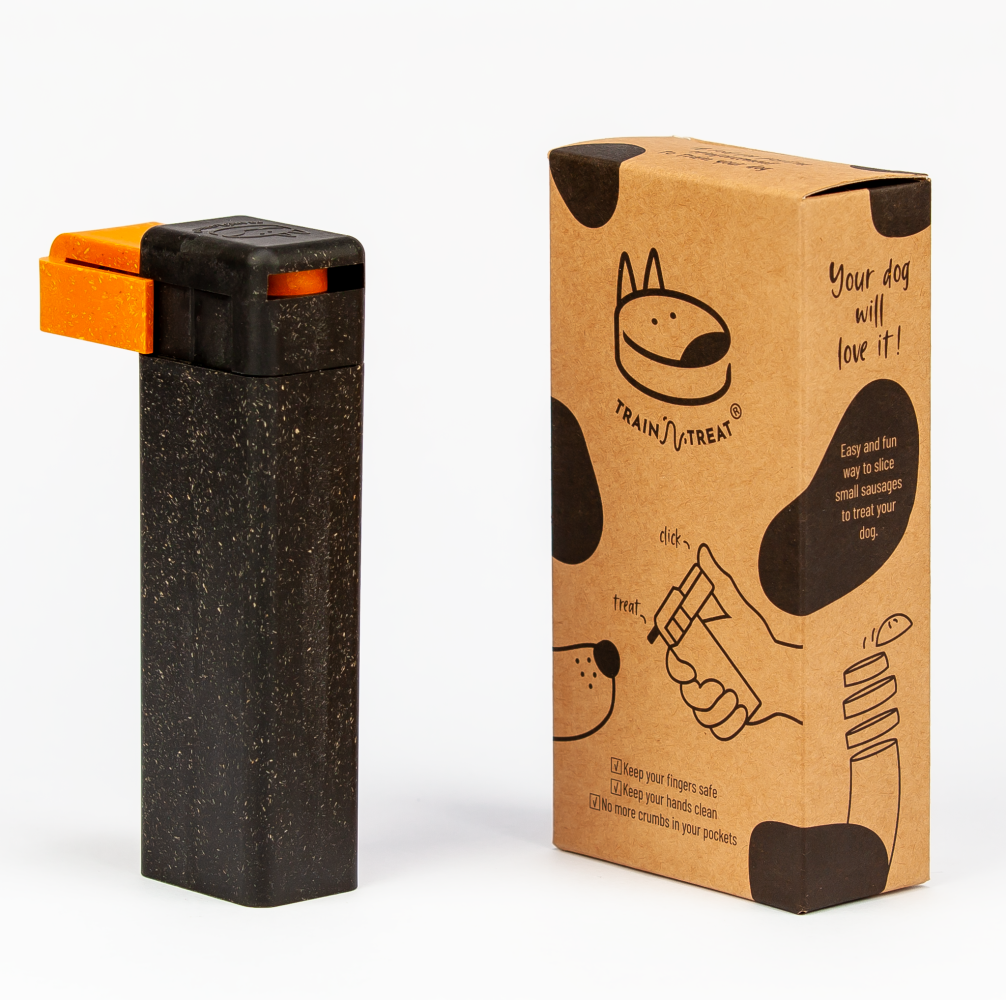
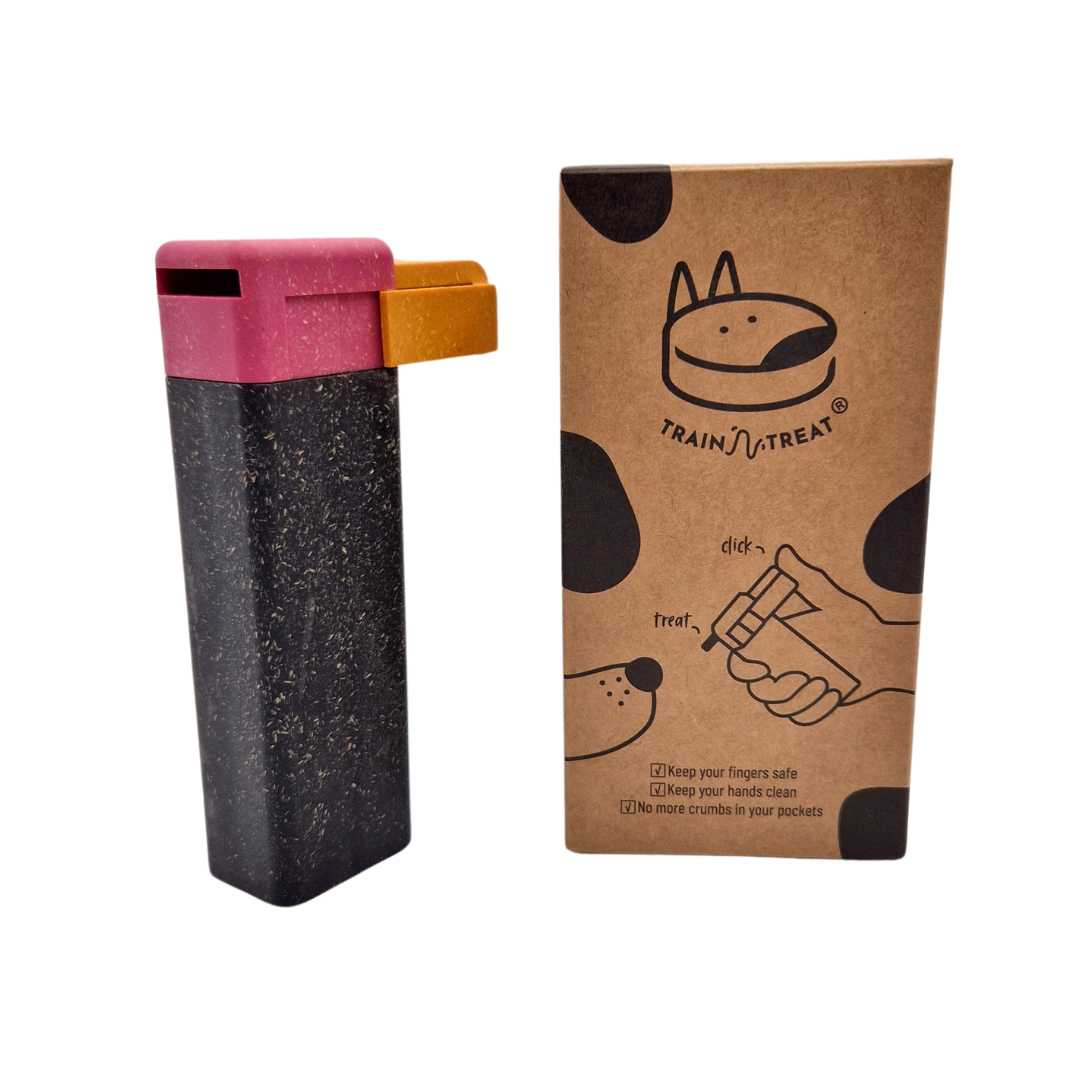
Train'N'Treat laite - treenaa koiraasi helpommin
Jaa




Usein kysytyt kysymykset koiran kouluttamisesta
Mikä herkkupalkka toimii koiran kouluttamisessa parhaiten
Koiran mielestä erityisen arvokkaita herkkuja. Monille toimivat parhaiten pehmeät lihapohjaiset herkut, joita on helppo annostella nopeasti.
Kuinka usein koiraa pitää kouluttaa?
Muutama minuutti päivässä riittää. Mutta mieluiten joka päivä. Säännöllisyys on tärkeämpää kuin pitkät harjoitukset. Yhteiset onnistumiset vahvistavat sinun ja koirasi keskinäistä luottamusta ja yhteisymmärrystä.
Miksi koirani ei kuuntele ja ei ole näkevinäänkään?
Koirat havainnoivat maailmaa eri tavalla kuin me. Hajut, äänet ja liike herättää kiinnostusta. Jos koira ei kiinnitä sinuun mitään huomiota, niin palaa helpompaan harjoitusympäristöön. Onnistumisia pitää tulla paljon ennen kuin vaikeustasoa nostetaan. Anna koiralle aikaa oppia. Muista pitää harjoitustilanteet rentoina ja kivoina.
Minkä ikäisenä koiran kouluttaminen pitäisi aloittaa?
Koiran kouluttaminen kannattaa aloittaa heti pennun kotiuduttua. Sopikaa perheen kesken yhteiset säännöt ja samat komennot niin pentu ymmärtää nopeasti millaista käytöstä suositaan ja millaista ei hyväksytä. Myös aikuinen koira oppii uusia taitoja, kun harjoittelu on johdonmukaista.
Train'N'Treatista
Train'N'Treat® uskoo, että jokainen koira voi oppia positiivisen vahvistamisen avulla. Tavoitteenamme on tehdä koiran kouluttamisesta helpompaa, hauskempaa ja palkitsevampaa sekä koirille että niiden omistajille.
Innovatiivisen koulutustuotteemme lisäksi tarjoamme käytännön oppaita, koulutusvinkkejä ja vaiheittaisia harjoituksia, joiden avulla voit kehittää tärkeitä arjen taitoja – kuten luotettavaa luoksetuloa, hihnassa vetämättä kulkemista, rauhallista käytöstä ja keskittymiskykyä.
Olitpa sitten kasvattamassa pentua tai kouluttamassa aikuista koiraa, Train'N'Treat auttaa sinua onnistumaan – yksi herkku kerrallaan.
Voit kouluttaa koirallesi melkein mitä vain
Blogit
Näytä kaikki-

Mitkä herkut sopivat parhaiten koiran koulutuks...
Oikean palkkion valitseminen on yhtä tärkeää kuin itse koulutus. Kun herkku on pehmeä, voimakastuoksuinen ja koirallesi vastustamaton, oppiminen nopeutuu, koulutustuokioista tulee miellyttävämpiä ja koirasi pysyy motivoituneena.
Mitkä herkut sopivat parhaiten koiran koulutuks...
Oikean palkkion valitseminen on yhtä tärkeää kuin itse koulutus. Kun herkku on pehmeä, voimakastuoksuinen ja koirallesi vastustamaton, oppiminen nopeutuu, koulutustuokioista tulee miellyttävämpiä ja koirasi pysyy motivoituneena.
-

Miksi koira ei tule luokse? 10 yleisintä virhet...
Luoksetulo on yksi tärkeimmistä taidoista, jonka voit koirallesi opettaa. (Katso Manun video YouTubesta) Se lisää turvallisuutta, tekee ulkoilusta rennompaa ja antaa koiralle enemmän vapautta. Silti moni koiranomistaja tuskailee saman asian...
Miksi koira ei tule luokse? 10 yleisintä virhet...
Luoksetulo on yksi tärkeimmistä taidoista, jonka voit koirallesi opettaa. (Katso Manun video YouTubesta) Se lisää turvallisuutta, tekee ulkoilusta rennompaa ja antaa koiralle enemmän vapautta. Silti moni koiranomistaja tuskailee saman asian...
-

Koiran säännöt ennen koiran kotiin tuomista – 3...
Uuden koiran saapumiseen valmistautuminen on jännittävää. Useimmat tulevat koiranomistajat käyttävät paljon aikaa sopivan rodun valintaan, tarvittavien tarvikkeiden hankintaan ja kodin valmisteluun koiraystävälliseksi. Yksi tärkeimmistä asioista kuitenkin jää usein huomiotta: selkeiden kotisääntöjen...
Koiran säännöt ennen koiran kotiin tuomista – 3...
Uuden koiran saapumiseen valmistautuminen on jännittävää. Useimmat tulevat koiranomistajat käyttävät paljon aikaa sopivan rodun valintaan, tarvittavien tarvikkeiden hankintaan ja kodin valmisteluun koiraystävälliseksi. Yksi tärkeimmistä asioista kuitenkin jää usein huomiotta: selkeiden kotisääntöjen...


