
Tässä oppaassa
Add H2 headings to the page to create the table of contents.
Koiranpennun koulutus
1. Puppy Training Starts from Day One
Bringing a puppy home is exciting, but it also marks the beginning of training. You do not need to wait until your puppy is older, knows its name, or attends a puppy class. Training starts from the very first day.
This does not mean spending hours teaching commands. In the beginning, training is mostly about everyday life: helping your puppy feel safe, building trust, creating routines, and showing them which behaviors lead to good things.
A puppy is learning from you all the time.
Your Puppy Is Always Learning
Puppies do not separate life into “training time” and “normal time.” Every interaction teaches them something.
When you put down the food bowl, open the door, attach the leash, greet your puppy, play together, or settle down for the evening, your puppy is learning about how life with you works.
They quickly begin to notice patterns:
- What happens when I come when called?
- What gets my owner's attention?
- What happens when I wait calmly?
- Is it safe when someone touches my paws?
- What happens when I see another dog?
- Does pulling on the leash get me where I want to go?
- Is staying close to my owner rewarding?
This is why good puppy training is not primarily about formal training sessions. Everyday life is the training environment.
For example, imagine that your puppy wants to go outside and becomes excited at the door. If the door always opens while the puppy is jumping, barking, or rushing forward, the puppy may learn that excitement makes the door open.
If you instead reward a brief moment of calmness before opening the door, you begin teaching a completely different skill: calm behavior gets me what I want.
Small moments like these happen dozens of times every day. Together, they shape your puppy's future behavior.
Don't Focus on the Number of Commands
It can be tempting to measure progress by counting how many commands your puppy knows.
Sit. Down. Stay. Come. Paw.
These skills can be useful, but they are not the most important goal during the first weeks.
A puppy that knows ten commands but does not trust its owner, cannot settle down, or feels frightened by everyday situations does not necessarily have a strong foundation for training.
During the first weeks, focus instead on questions such as:
Does my puppy feel safe with me?
Does my puppy enjoy interacting with me?
Does my puppy voluntarily pay attention to me?
Is my puppy beginning to understand that staying close to me leads to good things?
Can my puppy relax and recover after exciting experiences?
These foundations will make future training much easier.
There is plenty of time to teach commands. First, build the relationship that makes your puppy want to learn from you.
Safety Comes First
Your puppy has suddenly entered a completely new world.
They have left their mother, littermates, breeder or previous home and familiar surroundings. Everything may be different: smells, sounds, people, floors, traffic, household appliances, other animals and daily routines.
Your first job is therefore not to demand perfect behavior. It is to help your puppy feel safe.
Give your puppy enough sleep, predictable routines and opportunities to explore the world at an appropriate pace. Avoid overwhelming them with too many new experiences at once.
Socialization does not mean exposing a puppy to everything as quickly as possible. The goal is to create positive and safe experiences.
A puppy does not need to greet every person or every dog. Sometimes the most valuable lesson is simply learning to observe the world calmly beside you.
When your puppy learns that you provide safety and guidance in unfamiliar situations, you become an important reference point.
That relationship will later support everything from recall and leash walking to handling difficult environments.
Build Trust Before Expecting Obedience
Trust develops through hundreds of small interactions.
Your puppy approaches you and something pleasant happens.
Your puppy follows you and receives praise.
Your puppy allows you to touch a paw and gets a treat.
Your puppy hears their name, looks at you and is rewarded.
Your puppy comes when called and discovers that returning to you is always worthwhile.
These moments may seem insignificant, but together they create an important expectation:
Being with my human is safe and rewarding.
This is one of the strongest foundations you can build for future training.
Try not to use your puppy's name or recall cue mainly when something unpleasant is about to happen. If “Come!” repeatedly means the end of play, leaving the dog park, nail trimming or another unwanted event, the puppy may gradually become less enthusiastic about responding.
Instead, create hundreds of positive repetitions.
Call your puppy, reward them and sometimes let them continue what they were doing.
Teach them that coming to you does not always mean losing something good.
Cooperation Is More Valuable Than Control
Modern puppy training is not about controlling every movement your dog makes. The goal is to build cooperation.
You want your puppy to think:
“What is my human asking me to do?”
rather than:
“How do I avoid making a mistake?”
This difference matters.
A puppy that enjoys participating will usually learn faster and approach training with confidence. Training becomes something you do together rather than something imposed on the dog.
Keep early sessions extremely short. A few successful repetitions can be enough.
For a young puppy, several one-minute training moments during everyday life can be far more effective than one long session.
Stop while your puppy is still interested.
Success builds motivation.
Positive Reinforcement Is the Foundation
Positive reinforcement means rewarding behaviors you want to see more often.
When your puppy performs the desired behavior, something valuable follows: food, play, praise, attention, access to the environment or another reward the puppy enjoys.
The basic idea is simple:
Behavior → Reward → Behavior becomes more likely
If your puppy looks at you during a walk, reward it.
If your puppy comes when called, reward it.
If your puppy waits calmly, reward it.
If your puppy walks beside you with a loose leash, reward it.
If your puppy chooses to settle on their bed, reward it.
Instead of constantly correcting unwanted behavior, start noticing the moments when your puppy is doing something right.
This changes training dramatically.
Owners often notice unwanted behavior immediately because it interrupts everyday life. Calmness, eye contact, walking nicely or quietly waiting can easily go unnoticed.
But these are exactly the behaviors worth reinforcing.
Reward the behavior you want before unwanted behavior has a chance to become a habit.
Timing Matters
For positive reinforcement to work effectively, your puppy needs to understand which behavior earned the reward.
That is why timing is important.
Imagine that you are teaching recall. Your puppy hears their name, turns around, runs toward you and reaches you.
Reward quickly.
The clearer the connection between the behavior and the reward, the easier it is for the puppy to understand what worked.
This is also why having rewards easily available can make everyday training much easier. You often have only a short moment to reinforce the behavior you want.
You do not need long training sessions. A few minutes of well-timed practice every day can create dozens of valuable learning experiences.
Start With Behaviors That Make Everyday Life Easier
During the first weeks, prioritize skills that help your puppy live safely and comfortably with you.
Good early skills include responding to their name, coming toward you, making eye contact, following you, accepting gentle handling, settling down and learning that calm behavior is rewarding.
You can gradually introduce cues such as sit, wait, leave it and walking with a loose leash.
But remember that the cue itself is not the most important thing.
The real goal is communication.
Your puppy is learning to notice you, understand your signals and trust that cooperating with you is worthwhile.
These abilities will later make almost every other skill easier to teach.
Mistakes Are Part of Learning
Your puppy will make mistakes.
They will forget things they seemed to understand yesterday. They may listen beautifully in the kitchen and appear to know nothing outside. They may become distracted, excited, tired or overwhelmed.
This is normal.
Dogs do not automatically understand that a behavior learned in one environment also applies everywhere else.
A puppy that can sit perfectly at home may need to learn the same skill again in the garden, on the sidewalk and eventually around other dogs.
Instead of thinking, “My puppy knows this but refuses to do it,” ask:
Is this situation too difficult yet?
Reduce distractions, make the task easier and reward success.
Training should progress gradually from easy situations toward more challenging ones.
Build the Dog You Want to Live With
The first months with your puppy are not about creating a perfectly obedient dog.
They are about building habits, communication and a relationship that can last for years.
Think beyond commands.
Do you want a dog that checks in with you during walks?
Reward it now.
Do you want a dog that comes happily when called?
Make coming to you rewarding from the beginning.
Do you want a dog that can relax at home?
Notice and reward calmness.
Do you want a dog that enjoys training?
Keep training short, positive and successful.
The behaviors you reinforce today are the behaviors your puppy is more likely to offer tomorrow.
The Most Important Lesson
Your puppy does not need to learn everything immediately.
During the first weeks, concentrate on four things:
Safety. Trust. Cooperation. Positive experiences.
Commands and advanced skills will come later.
When your puppy feels safe with you, enjoys paying attention to you and learns that cooperation leads to good things, you have already created the foundation for successful training.
So start from day one—but keep it simple.
Reward good choices. Celebrate small successes. Train in everyday situations. Be patient when things go wrong.
Most importantly, make your puppy want to learn with you.
The goal of puppy training is not to create a dog that is afraid to make mistakes. It is to raise a dog that trusts you, understands you and chooses to work with you.

2. What Should You Teach Your Puppy First?
When you bring a puppy home, it can feel like there are a hundred things you need to teach immediately.
Sit. Down. Stay. Paw. Heel.
These skills can be useful – and tricks can be great fun – but they are not the most important things your puppy needs to learn.
During the first year, focus on skills that make everyday life safer, calmer and easier for both you and your dog.
Think about the adult dog you would like to live with.
You probably want a dog that comes when called, walks comfortably on a leash, can stay home alone, settles down when nothing is happening, allows you to handle them and can experience the world without becoming overwhelmed.
Those skills begin in puppyhood.
The 10 most important skills to teach your puppy
1. Responding to their name and paying attention to you
Your puppy's name should become something worth listening to.
Say their name and reward them when they turn toward you. At first, practise in a quiet environment with very few distractions.
Over time, your puppy learns:
"When I hear my name, checking in with my person is worth it."
This simple skill becomes the foundation for almost everything else you teach.
2. Coming when called
Recall is one of the most important safety skills your dog will ever learn.
Start early and make coming to you rewarding. Call your puppy when success is likely, reward generously and avoid repeatedly calling when you know they are too distracted to respond.
Most importantly, don't make coming to you predict the end of everything fun.
You want your puppy to think:
"When my person calls me, something good happens."
A reliable recall is built through hundreds of positive experiences, not through one perfect training session.
3. Settling and doing nothing
One of the most underrated puppy skills is the ability to relax.
Puppies need to learn that life does not provide entertainment every minute of the day.
Practise calmness at home, outdoors, in cafés, when visiting friends and anywhere else your dog may eventually need to settle.
Reward calm behaviour when you notice it.
A dog that knows how to relax is often much easier to live with than a dog that knows dozens of commands but constantly needs activity.
Calmness is a skill – and skills can be taught.
4. Waiting and impulse control
The world is full of things your puppy wants immediately.
Food. Doors. People. Dogs. Toys. Interesting smells.
Learning to wait briefly helps your puppy develop self-control.
Start with tiny moments. Wait for a second before placing the food bowl down. Pause before opening a door. Ask for a moment of calm before releasing your puppy to something they want.
The goal is not to make your puppy wait unnecessarily.
The goal is to teach them that calm behaviour can make good things happen.
5. Leave it and drop it
Puppies explore the world with their mouths.
Unfortunately, the things they discover are not always things you want them to eat.
Teaching your puppy to leave something alone and to willingly give up something they already have can become an important safety skill.
Avoid constantly grabbing things from your puppy's mouth. Instead, teach exchanging.
Giving something up should not always mean losing it.
Trade for something valuable and reward cooperation.
This also helps reduce the risk of your puppy learning to run away, swallow objects quickly or guard things from you.
6. Walking on a leash
Guide: Loose Leash Walking – The Complete Guide to Teaching Your Dog walk nicely on a leash
Your puppy does not naturally understand how a leash works.
From their perspective, there is simply an interesting world ahead – and suddenly something prevents them from reaching it.
Start by helping your puppy feel comfortable wearing their collar or harness and leash.
Then reward them for staying near you and moving with you.
Keep early walks and training sessions short. Allow plenty of time for sniffing and exploring.
The goal is not perfect heelwork.
The first goal is much simpler:
The leash should become a normal and comfortable part of exploring the world together.
7. Being handled
Throughout their life, your dog will need to be touched and examined.
Paws will need checking. Nails will need trimming. Teeth and ears may need examining. Coats may need brushing, washing or clipping. Veterinary visits will involve handling.
Don't wait until these things become necessary.
Start gently touching your puppy's paws, ears, mouth and body and reward calm cooperation.
Keep sessions extremely short.
Handling should become something predictable and safe rather than something your puppy learns to avoid.
8. Being alone
Being alone is a skill.
Do not wait until the day you need to leave your puppy for several hours before introducing it.
Start with very small separations.
Your puppy can learn that you sometimes disappear – and you always come back.
Increase the difficulty gradually and avoid making every departure or return a dramatic event.
The goal is to make being alone feel normal and safe.
9. Toilet training
House training is one of the first practical skills most puppy owners need to teach.
The principle is simple: create as many opportunities to succeed as possible.
Take your puppy outside frequently, especially after sleeping, eating, drinking and playing. When they toilet in the right place, reward them.
Accidents will happen.
They are part of raising a puppy, not evidence that your puppy is being stubborn or disobedient.
Clean up and create a better opportunity for success next time.
10. Feeling comfortable in the world
Your puppy needs to learn much more than commands.
They need to learn about the world they will live in.
Different people. Children. Dogs. Traffic. Bicycles. Cars. Household noises. Different surfaces. Grooming. Veterinary clinics. Cities. Forests. New places.
Good socialisation does not mean your puppy must interact with everything.
In fact, one of the most useful things a puppy can learn is that they can simply observe something and continue with their day.
Your puppy does not need to greet every dog.
They do not need to meet every person.
They need to learn: "I can experience new things and still feel safe."
You don't need to teach everything at once
Looking at this list can feel overwhelming.
Don't turn it into a checklist that must be completed as quickly as possible.
Many of these skills develop throughout your dog's first year – and continue developing long after that.
Start small.
Choose a few skills that matter most in your everyday life and practise them in easy situations.
As your puppy succeeds, gradually introduce more distractions and different environments.
Train for the dog you want to live with
Before teaching a new behaviour, ask yourself a simple question:
Will this make everyday life with my adult dog easier, safer or happier?
Teaching "paw" can be fun.
But teaching your puppy to come when called could save their life.
Teaching them to spin is entertaining.
But teaching them to relax beside you may improve thousands of ordinary evenings together.
There is nothing wrong with teaching tricks. Training should be fun, and tricks are a wonderful way to build communication between you and your puppy.
But build the foundations first.
Your puppy does not need to become a performance dog.
They need to learn how to live successfully in your world.
The goal is not a perfect puppy
Puppies make mistakes.
They bite things. They forget what they learned yesterday. They become distracted. They get excited. They get tired. Sometimes they seem to understand something perfectly – and the next day they appear to have forgotten everything.
That is normal.
Training a puppy is not about creating perfect behaviour as quickly as possible.
It is about gradually building habits that will make life easier when your puppy becomes an adult.
Don't measure your success by how many commands your puppy knows.
Measure it by something more meaningful:
Is your puppy learning to trust you?
Do they enjoy working with you?
Can they gradually cope with everyday situations?
Are they learning how to calm down?
And when they don't know what to do, are they beginning to look to you for guidance?
If the answer is yes, you are already building something far more valuable than a long list of commands:
A dog that knows how to live with you.
3. How Does a Puppy Learn?
Understanding how your puppy learns can completely change the way you approach training.
You don't need to be a professional dog trainer. You don't need complicated techniques or hour-long training sessions.
You need to understand one simple principle:
Behaviour that leads to something good is more likely to happen again.
If your puppy looks at you and receives a reward, looking at you becomes more valuable.
If your puppy comes when called and receives something wonderful, coming to you becomes more valuable.
If your puppy lies quietly beside you and gets rewarded, calm behaviour becomes more valuable.
Training is largely about helping your puppy discover which behaviours are worth repeating.
Reward the behaviour you want to see again
Positive reinforcement means adding something your puppy likes immediately after a desired behaviour.
The reward might be:
- food
- play
- a toy
- praise
- attention
- permission to sniff
- access to something your puppy wants.
Food is particularly useful when teaching new skills because it can be delivered quickly and precisely.
But the important question is not:
"What do I think should be rewarding?"
It is:
"What does my puppy find rewarding right now?"
At home, a piece of regular food may be enough.
Outside, with another dog nearby, your puppy may need something much more valuable.
And sometimes the best reward is not food at all. If your puppy desperately wants to sniff a tree, walking calmly with you for a few steps and then being released to sniff can be a powerful reward.
Your puppy decides what is rewarding.
Timing matters
Imagine you ask your puppy to sit.
Your puppy sits.
Two seconds later they jump up.
Then you give them a treat.
What did you reward?
From your perspective, you rewarded the sit.
From your puppy's perspective, the connection may be much less clear.
This is why good timing is one of the most important skills in dog training.
The reward should follow the desired behaviour as quickly as possible.
The clearer the connection between behaviour and consequence, the easier it is for your puppy to understand what worked.
Think of the reward as information.
It tells your puppy:
"Yes. That. Do that again."
Make success easy
One of the most common mistakes in puppy training is making exercises too difficult too quickly.
Your puppy comes perfectly when called in the kitchen, so you try the same exercise in a park surrounded by dogs, people, birds and fascinating smells.
Suddenly, your puppy "doesn't listen."
But your puppy may not have forgotten the behaviour at all.
The environment simply became much more difficult.
Dogs do not automatically understand that a behaviour learned in one place applies everywhere.
A puppy that can sit in your living room may need to learn the same behaviour again in the garden, on the pavement, at a friend's house and eventually around distractions.
This is called generalisation.
Build skills gradually:
Easy environment → small distraction → bigger distraction → real life.
If your puppy repeatedly fails, don't assume they are stubborn.
Make the exercise easier.
Distance, duration and distractions
Most behaviours become more difficult when you increase one of three things:
Distance: How far are you from your puppy?
Duration: How long does your puppy need to maintain the behaviour?
Distractions: What interesting things are happening around you?
Imagine teaching your puppy to stay.
Staying for two seconds while you stand directly in front of them is relatively easy.
Staying for 30 seconds while you walk ten metres away and another dog runs past is an entirely different exercise.
Try not to increase everything at once.
If you increase distance, keep the duration short and distractions low.
If you add distractions, make the other parts easier.
Small steps create reliable skills.
Repetition builds behaviour
Dogs learn through experience.
One successful recall is good.
Ten successful recalls are better.
Hundreds of successful recalls across different environments begin to create a reliable behaviour.
This is why consistency matters more than occasional long training sessions.
Imagine doing just 20 successful repetitions every day.
That becomes approximately:
140 repetitions a week.
600 repetitions a month.
More than 7,000 repetitions a year.
You do not need to complete them in one training session.
A few repetitions before breakfast.
Three during a walk.
Two while putting the leash on.
Five while playing in the garden.
Training can happen throughout everyday life.
Keep puppy training short
Young puppies have short attention spans.
A good training session may last only 30 seconds or a couple of minutes. (Blog post: 1 Tool, 100 Uses – Training Everyday Life Skills for Your Dog Throughout Their Lifetime)
That is enough.
Stop while your puppy is still interested and successful.
Several tiny sessions throughout the day are often more effective than one long session where both puppy and owner become frustrated.
Quality matters more than duration.
Five focused repetitions can teach more than 30 careless ones.
Reward what your puppy does naturally
Not every behaviour needs to begin with a command.
Some of the most valuable training happens when you simply notice your puppy doing something you like.
Your puppy lies down quietly.
Reward them.
Your puppy looks at you during a walk.
Reward them.
Your puppy chooses not to jump on someone.
Reward them.
Your puppy sees another dog and remains calm.
Reward them.
Your puppy walks beside you without pulling.
Reward them.
This is sometimes called capturing behaviour.
Instead of constantly telling your puppy what not to do, start noticing all the moments when they are already making good choices.
Those are training opportunities.
Prevent unwanted behaviour from becoming rewarding
Puppies also learn behaviours we did not intend to teach.
A puppy jumps onto the kitchen counter and finds food.
Reward.
A puppy pulls toward another dog and eventually reaches them.
Reward.
A puppy barks for attention and someone starts talking to them.
Reward.
From the puppy's perspective, the behaviour worked.
This does not mean you should punish your puppy.
It means management is an important part of training.
Keep food away from the edge of the counter.
Use appropriate distances around exciting distractions.
Use gates, leads and other practical tools when necessary.
Every behaviour your puppy practises can become stronger.
Whenever possible, make desirable behaviours easy and undesirable behaviours difficult to practise.
Don't wait for mistakes
Traditional ideas about dog training often focus heavily on correcting unwanted behaviour.
Modern reward-based training takes a different approach.
Instead of waiting for your puppy to make the wrong choice, create opportunities for them to make the right one.
Then reward it.
If you know your puppy jumps when visitors arrive, don't wait for the jumping to begin. Prepare beforehand and reward four paws on the floor.
If you know your puppy pulls toward other dogs, create enough distance that they can still pay attention to you.
If your puppy steals shoes, keep shoes out of reach and provide appropriate things to chew.
Good training is often proactive rather than reactive.
Mistakes are information
Your puppy will make mistakes.
So will you.
That is part of learning.
If an exercise repeatedly goes wrong, ask yourself:
Was the environment too difficult?
Was the reward valuable enough?
Was my timing clear?
Did I ask for too much?
Was my puppy tired, excited, frightened or distracted?
Instead of thinking:
"My puppy won't do it."
Try thinking:
"How can I make this easier for my puppy to understand?"
That small change in perspective can make training much less frustrating.
The puppy chooses the reward
A reward only works if your puppy wants it.
This is especially important when training around distractions.
Your puppy may happily work for regular kibble in the kitchen but completely ignore it outside when another dog appears.
That doesn't necessarily mean food rewards don't work.
It may simply mean the environment is currently more rewarding than the food you are offering.
You have several options:
Use a more valuable reward.
Increase your distance from the distraction.
Make the exercise easier.
Or use something your puppy wants – such as permission to sniff or explore – as the reward.
Successful training is not about forcing your puppy to choose you.
It is about gradually making choosing you worthwhile.
Training should feel safe
A puppy learns best when they feel safe enough to think, explore and try.
Fear may stop behaviour temporarily, but stopping behaviour is not the same thing as teaching your puppy what to do instead.
Reward-based training gives your puppy information.
It helps them understand which choices work.
Over time, something important happens.
Your puppy begins to participate in the learning process.
They start offering behaviours.
They start checking in with you.
They start trying to figure out what works.
And training becomes communication rather than confrontation.
Build a history of success
Every successful repetition is like making a small deposit into your puppy's training account.
One reward for coming when called may seem insignificant.
But repeat it hundreds of times and you create a powerful history:
Coming to my person has always been worth it.
The same applies to walking beside you, settling down, allowing handling, waiting and paying attention.
You are not simply teaching individual commands.
You are building habits.
And perhaps more importantly, you are teaching your puppy something about you:
Listening to you is safe. Working with you is rewarding. And learning together is fun.
That is one of the strongest foundations you can give your puppy for the years ahead.
4. Your Puppy's First Days at Home
The day you bring your puppy home is a big day for you.
For your puppy, it may be one of the biggest changes they have ever experienced.
Until now, your puppy may have spent almost every day surrounded by their mother, littermates and familiar people. They knew the smells, sounds and routines of their environment.
Then suddenly everything changes.
A new home. New people. New smells. New sounds. New rules. Perhaps a car journey, new animals, children or an entirely different type of environment.
It is exciting – but it can also be overwhelming.
During the first few days, your most important job is not to start an intensive training programme.
It is to help your puppy feel safe.
Keep the first days simple
It can be tempting to introduce your new puppy to everyone immediately.
Family members want to visit. Friends want to meet the puppy. You may want to take them to shops, cafés, parks and other exciting places.
There will be time for all of that.
Your puppy does not need to experience their entire new world during the first weekend.
Start small.
Let your puppy explore their new home at their own pace. Show them where they can sleep, where they can drink, where they eat and where you will take them for toilet breaks.
Keep the atmosphere calm and predictable.
Your puppy has an entire lifetime to experience the world.
The first few days are about arriving, not performing.
Let your puppy explore
When you arrive home, give your puppy time to investigate.
They will probably sniff.
A lot.
Sniffing is one of the primary ways dogs gather information about their environment.
You do not need to constantly call your puppy away or entertain them. Stay nearby and let them explore safely.
Some puppies immediately begin playing and investigating.
Others are cautious.
Both reactions can be completely normal.
Do not compare your puppy with another puppy you have owned or with videos you see online.
Give the puppy in front of you the time they need.
Create a safe place to sleep
Puppies need a lot of sleep.
A young puppy may sleep for a large part of the day, and that sleep is essential for physical growth, brain development and learning.
Create a quiet, comfortable place where your puppy can rest without constantly being disturbed.
Depending on your home and preferences, this could be a dog bed, puppy pen, crate used appropriately and positively, or another safe resting area.
Teach children and visitors an important rule:
When the puppy is sleeping, let the puppy sleep.
A tired puppy is not always a sleepy-looking puppy.
Sometimes an overtired puppy becomes wild.
They may start running around, biting hands, grabbing clothes, barking, jumping or seemingly losing all ability to listen.
When that happens, the solution may not be more exercise or entertainment.
Your puppy may simply need sleep.
Expect the first nights to be different
The first night can be difficult for some puppies.
Think about what has happened.
Yesterday, your puppy may have slept surrounded by littermates.
Tonight, they are expected to sleep in a completely unfamiliar place.
Some puppies settle quickly. Others cry or become restless.
Providing comfort during this transition does not mean you are "spoiling" your puppy.
Consider keeping your puppy's sleeping area near you initially. Your presence can help them feel secure while they adjust.
You can gradually change sleeping arrangements later if necessary.
Young puppies may also need to go outside during the night.
Keep nighttime toilet trips calm and boring.
Outside.
Toilet.
Quiet praise or reward.
Back to bed.
Nighttime is not playtime.
Start toilet training immediately
You do not need to wait before beginning toilet training.
Take your puppy outside frequently.
Especially:
- after waking up
- after eating
- after drinking
- after playing
- after excitement
- before bedtime
- whenever they begin sniffing or circling as if searching for somewhere to go.
When your puppy toilets outside, reward them.
Make it clear that this was a good choice.
If an accident happens indoors, clean it up.
Do not punish your puppy.
Your puppy is not trying to annoy you and has not made a moral decision to use your carpet.
They are learning where to go and developing the physical ability to control their bladder.
Your job is to create as many successful outdoor toilet trips as possible.
Establish simple routines
Dogs often benefit from predictability.
You do not need a military schedule, but simple routines can help your puppy understand how their new life works.
A typical cycle might look something like:
Wake up → toilet → food → short activity → toilet → sleep.
Then repeat.
Much of puppy life consists of surprisingly simple cycles of eating, exploring, playing, toileting and sleeping.
Predictability can also make it easier for you to notice when your puppy is tired, hungry or likely to need a toilet break.
Introduce household rules from the beginning
Decide what your adult dog will eventually be allowed to do.
Will your dog be allowed on the sofa?
In the bedroom?
At the dining table while you eat?
Will they wait at doors?
Where will they sleep?
There is no universal correct answer to many of these questions.
The important thing is consistency.
It can be confusing if one family member encourages the puppy onto the sofa while another repeatedly tells them to get down.
Talk about the rules before problems develop.
And remember:
If you do not want a 30-kilogram adult dog doing something, think carefully before encouraging the adorable 5-kilogram puppy to do it.
Don't overwhelm your puppy with training
You can begin training immediately.
But training during the first days should be simple and enjoyable.
Say your puppy's name and reward them for looking at you.
Reward them for following you.
Reward them when they come toward you.
Practise gentle handling.
Introduce the collar or harness.
Reward calm behaviour.
That is already training.
There is no need to spend the first evening drilling sit, down, stay and heel.
You are building a relationship first.
Formal skills can grow from that foundation.
Start rewarding the behaviour you want
One of the best habits you can develop as a new puppy owner is noticing good behaviour.
We naturally notice problems.
The puppy bites the table.
We react.
The puppy steals a sock.
We react.
The puppy jumps.
We react.
But what happens when the puppy lies quietly on the floor?
Often, nothing.
Start noticing those moments.
Your puppy lies calmly beside you.
Reward them.
Your puppy looks at you voluntarily.
Reward them.
Your puppy chooses their toy instead of your furniture.
Reward them.
Your puppy sits instead of jumping.
Reward them.
What you reward is more likely to happen again.
You do not always need to ask for good behaviour.
Sometimes you simply need to notice it.
Introduce new experiences gradually
Socialisation is important, but socialisation does not mean exposing your puppy to as many things as possible as quickly as possible.
Quality matters more than quantity.
A good new experience might be:
Seeing a bicycle from a comfortable distance.
Hearing traffic while eating a few treats.
Meeting one calm person.
Walking briefly on a new surface.
Watching another dog without having to greet them.
Hearing the vacuum cleaner from another room.
The goal is not:
"My puppy has experienced 100 things this week."
The goal is:
"My puppy is learning that new things can be safe."
Always consider your puppy's vaccination status and local veterinary guidance when deciding where your puppy can safely explore and meet other dogs.
Don't force interaction
People love puppies.
Unfortunately, puppies do not necessarily love every person who wants to touch them.
Your puppy should not be passed from person to person simply because everyone wants a cuddle.
Allow your puppy to approach people voluntarily.
If they move away, let them move away.
The same applies to other dogs.
Your puppy does not need to greet every dog they see.
Learning to calmly observe dogs without interacting with them is an extremely valuable life skill.
Your puppy should learn that seeing another dog does not automatically mean:
"I get to run over there."
This lesson will become incredibly useful later when you begin practising calm leash walking and passing other dogs.
Begin alone-time training early – but gently
Being alone is a normal part of life for most dogs.
It is easier to introduce this gradually than to suddenly leave a puppy alone for several hours.
Start with tiny separations.
Walk into another room for a moment.
Close a door briefly.
Let your puppy stay safely occupied while you move around the house.
Gradually increase the duration as your puppy becomes comfortable.
The goal is not to test how long your puppy can tolerate being alone.
The goal is to teach:
"Sometimes my person leaves. I am safe. And they come back."
Protect your puppy from practising unwanted habits
Puppies investigate everything.
Shoes.
Electrical cables.
Plants.
Carpets.
Furniture.
Children's toys.
Bins.
Anything that smells interesting.
Instead of spending the entire day saying "No!", make your home easier for your puppy to succeed in.
Put shoes away.
Move dangerous objects.
Protect cables.
Use baby gates or puppy pens where appropriate.
Provide safe things to chew.
Supervise when necessary.
Management is not cheating.
Good management prevents your puppy from repeatedly practising behaviours you will later have to change.
Your puppy doesn't need constant entertainment
Many caring owners accidentally create a puppy that expects activity every waking moment.
Walk.
Play.
Training.
Puzzle toy.
Another game.
Another walk.
Another activity.
But your puppy also needs to learn something incredibly important:
Sometimes nothing happens.
You make coffee.
You work.
You read.
You eat dinner.
Your puppy rests.
This is normal life.
The ability to relax while humans are doing boring human things is one of the most valuable skills a family dog can develop.
Take photos – but don't forget to experience it
The first days can feel chaotic.
You may be tired.
There may be accidents on the floor.
Your hands may have tiny puppy teeth marks on them.
You may wonder whether you are doing everything correctly.
Then, surprisingly quickly, the tiny puppy disappears and an adolescent dog takes their place.
You do not need to make every day perfect.
You do not need to teach everything immediately.
You do not need to have all the answers.
Give your puppy safety, sleep, appropriate food, opportunities to explore, clear routines and many chances to succeed.
Most importantly, begin building the relationship that will carry you through everything that comes next.
Your puppy's first days are not a test of how good a dog trainer you are.
They are the beginning of learning how to live together.
Start training – but keep it easy
Training can begin on the first day, but there is no need to practise dozens of commands.
Instead:
- reward your puppy for looking at you
- practise their name
- reward them for coming toward you
- introduce gentle handling
- reward calm behaviour
- begin getting them comfortable with their collar, harness and leash.
These tiny moments are already training.
Introduce the world gradually
Let your puppy experience new people, sounds, surfaces, places and dogs gradually and positively.
Socialisation does not mean your puppy needs to greet everyone.
A valuable lesson is simply:
"I can see something new without needing to interact with it."
This is especially useful around other dogs. A puppy that expects to greet every dog can later find calm leash walking and passing other dogs much more difficult.
Teach your puppy that nothing happening is normal
Your puppy does not need constant entertainment.
Play, training and exploration are important, but so is learning to relax while you work, eat, read or watch television.
Calmness is a skill. Start teaching it from the beginning.
Most importantly, don't worry about making the first days perfect.
Give your puppy safety, sleep, predictable routines and plenty of opportunities to succeed.
You have months and years ahead to teach everything else.
5. Toilet Training Your Puppy
Toilet training is one of the first practical skills your puppy needs to learn. The basic principle is simple:
Give your puppy as many opportunities to succeed as possible.
Young puppies have limited bladder control, so accidents are a normal part of the learning process.
Take your puppy outside frequently
Take your puppy outside especially:
- after waking up
- after eating or drinking
- after playing
- after excitement
- before bedtime
- whenever they start sniffing or circling as if looking for a toilet spot.
Very young puppies may need to go outside frequently throughout the day – and sometimes during the night.
As your puppy grows, their ability to wait will gradually improve.
Reward success immediately
When your puppy toilets in the right place, reward them immediately.
Food, praise or both can help your puppy understand:
"This is where I should do it."
Timing matters. Reward your puppy while you are still outside rather than waiting until you return home.
You can also introduce a simple cue, such as "Go potty", by calmly saying it when your puppy begins to toilet. Over time, your puppy may learn to associate the words with the behaviour.
What if your puppy has an accident?
Don't punish them.
Shouting, scolding or pushing a puppy toward the accident does not teach them where they should go. It may simply teach them that toileting near you is unsafe.
Clean the area thoroughly and think about what happened.
Did you wait too long before taking the puppy outside?
Did they just wake up?
Had they been playing?
Were you distracted and missed the signs?
Accidents are useful information.
Supervision makes toilet training easier
When your puppy is awake, keep an eye on them whenever possible.
The faster you notice the signs that they need to go, the easier it is to prevent accidents.
A predictable daily routine also helps. Eating, sleeping, playing and toilet breaks often begin to form a pattern.
You will gradually become better at predicting when your puppy needs to go.
When will my puppy be fully house-trained?
There is no exact age.
Some puppies learn quickly, while others need more time. Development, routines, environment and individual differences all affect the process.
Even a puppy that has been accident-free for weeks may occasionally make a mistake.
Don't measure progress by perfection.
Look at the overall trend: accidents should gradually become less frequent as successful toilet trips become a habit.
Patience, consistency and good timing are far more effective than punishment.
Your puppy is not trying to get it wrong.
They are learning where the right place is.
6. Puppy Biting – Why Puppies Bite and What to Do
Almost every puppy bites.
They bite hands, clothes, shoes, furniture, leashes – and sometimes seemingly everything within reach.
For new puppy owners, this can be frustrating and even worrying. But in most cases, puppy biting is completely normal behaviour.
Why do puppies bite?
Puppies explore the world with their mouths. Biting can also be part of play, excitement and teething.
Sometimes biting has another simple explanation:
Your puppy is tired.
An overtired puppy may suddenly become wild, grab clothes, chase feet and bite much harder than usual. Instead of adding more activity, your puppy may need a calm environment and sleep.
What should you do when your puppy bites?
Avoid turning biting into an exciting game.
If your puppy bites your hands or clothes, calmly stop the interaction and redirect them to something appropriate to chew, such as a toy.
Reward your puppy when they choose the toy.
Make sure your puppy has access to safe and suitable chewing options, particularly during teething.
If biting becomes intense, consider whether your puppy needs:
- sleep
- a toilet break
- something appropriate to chew
- less stimulation
- a calmer environment.
Often, changing the situation works better than repeatedly telling the puppy "no".
Don't punish normal puppy behaviour
Avoid hitting, shouting, holding the puppy's mouth closed or using physical punishment.
These methods do not teach your puppy what they should do instead and can damage trust.
Remember that your puppy is not trying to challenge you or be difficult.
They are learning how to interact with people in a world where using teeth on human skin is not acceptable.
Teach the behaviour you want
Instead of focusing only on stopping biting, show your puppy what works better.
Bite the toy → play continues.
Bite hands → interaction stops.
Calm behaviour → attention and rewards.
Choose an appropriate chew → good things happen.
With consistency, maturity and appropriate outlets for chewing, puppy biting usually decreases.
And when your tiny puppy suddenly turns into a little land shark in the evening, remember one important question:
Could my puppy simply be tired?
7. Teaching Your Puppy to Be Alone
Being alone is an important life skill for most dogs. Even if you work from home, there will probably be times when your dog needs to stay alone.
The best time to start practising is during puppyhood – gradually and without making it a big event.
Start with very short separations
Being alone does not begin with leaving your puppy for several hours.
Start with seconds.
Move briefly to another room. Close a door for a moment. Walk outside and come back.
The first exercises should be so easy that your puppy remains comfortable.
Gradually increase the time as your puppy learns:
"My person leaves sometimes, but they always come back."
Make alone time feel normal
Try not to turn departures and arrivals into dramatic events.
Your puppy should gradually learn that people moving around, leaving the room and going out of the house are normal parts of everyday life.
A safe resting place can also help. Make sure your puppy has somewhere comfortable to relax and, when appropriate, something safe to chew or occupy themselves with.
Practise when your puppy's basic needs have been met – after toileting and when they are calm rather than full of energy.
Don't increase the difficulty too quickly
Watch your puppy's behaviour.
If they become increasingly distressed, bark continuously, panic, scratch desperately at doors or cannot settle, the exercise may be too difficult.
Go back to an easier step.
The goal is not to discover how long your puppy can tolerate being alone.
The goal is to build confidence gradually.
Independence can also be practised while you are home
Your puppy does not need to follow you everywhere.
Encourage them to relax in their own bed while you cook, work or move around the house.
Small moments of independence help teach your puppy that they can feel safe even when they are not constantly beside you.
Give it time
Some puppies learn to stay alone easily. Others need much more gradual practice.
Avoid comparing your puppy with other dogs.
Build the skill at a pace your puppy can handle and remember that progress is not always perfectly linear.
Being alone should become boring, predictable and safe – not something your puppy has to endure.
8. Puppy Socialisation – It's More Than Meeting Other Dogs
Socialisation is one of the most important parts of puppyhood – and also one of the most misunderstood.
Good socialisation does not mean introducing your puppy to as many dogs and people as possible.
The goal is much broader:
Teach your puppy that the world is a safe place.
Introduce the world gradually
During puppyhood, introduce your dog positively and at a comfortable pace to things they are likely to encounter later in life.
Puppy Recall Training – Start from Day One
Recall is one of the most important skills your puppy will ever learn. A reliable recall gives your dog more freedom, makes everyday life easier and, most importantly, can keep your dog safe.
The best time to start teaching recall is from the very first days your puppy comes home.
You do not need long training sessions or complicated exercises. In the beginning, recall training should feel like a simple game: your puppy hears their name, pays attention to you, comes toward you and receives a great reward.
The goal is to create one powerful association:
Coming to my human is always worth it.
Why Start Recall Training Immediately?
Young puppies naturally want to stay close to the people they trust. This makes puppyhood an excellent time to build the foundation for a strong recall.
At first, you are not testing whether your puppy “obeys.” You are building a habit.
Every successful repetition teaches your puppy that turning toward you and coming to you leads to something good.
Start in easy situations where success is almost guaranteed. Call your puppy when they are already looking at you or when they are only a short distance away.
Avoid repeatedly calling when your puppy is completely absorbed in something exciting. If the puppy regularly hears the cue but does not respond, ignoring it can gradually become normal.
In early recall training, success is more important than difficulty.
Make the exercise easy enough that your puppy wants to succeed.
Name → Attention → Come to You → Reward
A simple recall exercise can be built around four steps:
Name → Attention → Come to you → Reward
Start indoors in a quiet room.
Say your puppy's name once in a cheerful voice. When the puppy looks at you, encourage them to come toward you. You can move backwards slightly, crouch down or use an enthusiastic voice.
As soon as the puppy reaches you, reward immediately.
Use something your puppy genuinely values. For many puppies, a small piece of tasty food works extremely well.
You can also reward with praise, play or another activity the puppy enjoys.
Keep the experience positive and energetic.
At this stage, the distance may be only one or two metres. That is perfectly fine. You are building the behavior before adding difficulty.
A few successful repetitions are enough.
Short, successful training sessions are much more valuable than repeatedly calling a puppy that has stopped paying attention.
9. Make Coming to You the Best Choice
Guide: Reliable Recall – The Complete Guide to Teaching Your Dog to Come Every Time
Imagine the situation from your puppy's perspective.
There are interesting smells, toys, people, dogs, leaves moving in the wind and hundreds of other things competing for attention.
Eventually, recall means asking your dog to leave something interesting and choose you instead.
That is a big request.
This is why the reward matters.
Especially during early training, coming to you should lead to something worthwhile. Use high-value treats when necessary and reward generously when your puppy makes a difficult choice.
If your puppy leaves an interesting smell, toy or distraction to come to you, recognize that achievement.
The more difficult the situation, the better the reward can be.
You are teaching your puppy:
Choosing you pays off.
Don't Call Your Puppy Only to End the Fun
One of the most common recall mistakes happens without owners even noticing it.
The puppy is playing.
“Come!”
Play ends.
The puppy is exploring the garden.
“Come!”
Time to go inside.
The puppy is enjoying freedom.
“Come!”
The leash goes on and the adventure ends.
If this happens repeatedly, the puppy may begin to predict what recall means:
Coming to my human makes good things disappear.
Instead, practise calling your puppy when you do not need to end anything.
Call them, reward them and say something like “Go play!” before allowing them to return to what they were doing.
This teaches an important lesson:
Coming to you does not always mean the end of freedom or fun.
Sometimes the puppy gets a delicious treat and then gets to continue exploring.
That makes returning to you much more attractive.
Never Punish a Puppy for Coming to You
Your puppy will sometimes respond slowly.
They may stop to smell something. They may become distracted. They may take much longer than you expected.
When they finally reach you, reward them.
Do not scold the puppy for taking too long.
From the dog's perspective, the most recent behavior was coming to you. If arriving results in anger or punishment, you risk weakening exactly the behavior you are trying to build.
Even when the recall was frustrating, make arriving at your side a positive experience.
If your puppy repeatedly fails to respond, the solution is usually not a stronger voice.
The exercise is simply too difficult.
Reduce the distance or distractions and try again in an easier situation.
Step 1: Practise Indoors
Home is usually the easiest place to begin because there are fewer distractions.
Practise from short distances.
Call your puppy from another side of the room. Have family members take turns calling the puppy between them. Reward every successful recall.
You can even run a few steps away from your puppy and encourage them to chase you.
Recall should initially feel like a game rather than an obedience test.
Practise several tiny sessions throughout the day instead of one long training session.
Even one or two minutes at a time can be enough.
Step 2: Move Outdoors
When your puppy responds well indoors, start practising outside in a safe environment.
Outdoors, everything becomes more difficult.
There are smells, sounds, movement and interesting things everywhere.
Start with very short distances and minimal distractions.
A long training line can give your puppy room to explore while still keeping the situation safe. It also prevents the puppy from learning that running away turns recall into a chasing game.
Do not immediately expect the same performance outdoors that you achieved in your living room.
Changing the environment is already an increase in difficulty.
Make the exercise easier again and rebuild success.
Step 3: Gradually Add Distractions
Once your puppy understands the basic idea, begin practising around mild distractions.
The key word is gradually.
Do not move directly from a quiet garden to calling your puppy away from another dog.
Instead, increase difficulty one step at a time.
Practise when there are interesting smells nearby. Increase the distance. Add people in the environment. Practise in different locations.
Eventually, you can work around dogs and other exciting distractions while keeping enough distance for your puppy to succeed.
If your puppy cannot respond, move farther away from the distraction.
A strong recall is built through hundreds of successful repetitions in many different environments.
Build Reliability Before You Need It
Do not wait until your puppy is running toward danger to discover whether your recall works.
Practise when nothing important is happening.
Practise at home.
Practise in the garden.
Practise during walks.
Practise when your puppy is already moving toward you.
Practise calling, rewarding and releasing your puppy back to explore.
Little by little, coming to you becomes an automatic and rewarding habit.
Remember the simple formula:
Name → Attention → Come to you → Reward.
Keep the training short. Make success easy. Reward generously. Increase distractions gradually.
And above all, teach your puppy that hearing your call is good news.
A reliable recall is not created by calling louder. It is created by giving your puppy thousands of reasons to choose you.
10. First Leash Walking Exercises for Your Puppy

Walking nicely on a leash is not something puppies automatically know how to do. The leash, collar or harness, traffic, people, dogs, smells and the expectations of their owner are all new to them.
That is why the first goal is not perfect leash walking.
The goal is to help your puppy feel comfortable with the equipment, enjoy walking with you and gradually understand what you want them to do.
Start slowly, reward generously and remember that a puppy walk is also an opportunity to explore the world.
Get Your Puppy Used to the Leash and Equipment
Before expecting your puppy to walk nicely, give them time to become comfortable wearing a collar or harness and having a leash attached.
For some puppies, this happens almost immediately. Others may scratch at the harness, bite the leash or simply stop moving.
This is normal.
Start at home or in another calm environment. Let your puppy wear the equipment for short periods while something pleasant is happening. Give treats, play together or simply allow the puppy to move around naturally.
Attach the leash and practise taking a few steps together.
Keep the leash relaxed whenever possible.
The first experiences should teach your puppy:
Leash and harness mean good things are about to happen.
If your puppy bites the leash, avoid turning it into a tug-of-war. Redirect their attention to you, movement or a reward.
With repetition, the equipment becomes a normal part of everyday life.
Don't Expect Perfect Leash Walking
One of the biggest mistakes new puppy owners make is expecting too much too soon.
Your puppy has no idea what “walking nicely” means.
From the puppy's perspective, the world is full of fascinating information. There are leaves, birds, people, dogs and hundreds of interesting smells.
At the same time, you are expecting the puppy to walk in a particular direction at a particular speed while connected to you by a leash.
That is a surprisingly complicated skill.
Instead of correcting every mistake, focus on showing your puppy what you want.
During the first walks, success may simply mean that the puppy follows you for a few steps with a loose leash.
Reward that.
Do not worry if the puppy sometimes walks ahead, behind you or stops completely.
You are building a skill gradually.
Reward the Right Position
Puppies repeat behaviors that are rewarding.
Use this principle to teach leash walking.
Whenever your puppy is walking in a good position near you and the leash is loose, reward them.
At first, rewards can be frequent.
Take a few steps.
Reward.
Take another few steps.
Reward again.
You are helping your puppy understand:
Walking close to my human with a loose leash is rewarding.
You do not need to demand constant eye contact or perfect heel position. For everyday walks, the goal is usually much simpler: a dog that can move comfortably without constantly pulling.
Try to reward before the puppy starts pulling rather than waiting for a mistake.
This makes training clearer and more positive.
What Should You Do When the Puppy Pulls?
Pulling often works because it gets the dog where they want to go.
The puppy smells something interesting, pulls toward it and the owner follows.
From the puppy's perspective, pulling was successful.
Instead, teach the opposite pattern.
When the leash is loose, movement continues.
When the puppy stays near you, reward.
If the leash becomes tight, avoid simply being pulled forward toward the interesting thing.
You can stop, wait for the puppy to return toward you or encourage them back into a better position. When the leash becomes loose again, continue walking.
Be patient.
The goal is not to punish pulling. The goal is to make walking with a loose leash more rewarding and effective than pulling.
Let Your Puppy Sniff
A good walk is not just about moving from one place to another.
For dogs, sniffing is an important way to explore and understand their environment.
Every tree, path and patch of grass can contain information about other dogs, animals and events in the area.
Your puppy needs time to investigate this world.
Do not expect every walk to be a continuous leash-training session.
Create a balance between training and exploration.
You might practise walking near you for a short distance and then release your puppy to sniff.
You can even use sniffing as a reward:
Walk nicely for a few steps → Go sniff!
This teaches the puppy that cooperation with you can provide access to things they want.
Allowing your puppy to sniff also makes walks more mentally enriching. A short exploratory walk can sometimes be more valuable to a young puppy than simply covering a long distance.
Keep Training Sessions Short
Puppies have limited concentration.
They also become tired quickly, especially when they are processing new environments, smells, sounds and experiences.
You do not need to spend an entire walk practising leash skills.
Instead, practise in short bursts.
For example:
Walk together for 20–30 seconds.
Reward several good moments.
Then allow your puppy to explore.
Later, practise again.
Several short successful exercises are usually more effective than one long session that ends with both puppy and owner becoming frustrated.
Quality matters more than duration.
Start in Easy Environments
Begin leash training somewhere quiet.
Your home, garden or another familiar area can be ideal.
Once your puppy understands the basic idea, gradually introduce more challenging environments.
A quiet street may come next.
Then an area with people at a distance.
Later, you can practise around traffic, dogs and other distractions.
Do not increase every challenge at once.
If the environment becomes more difficult, make your expectations easier.
A puppy that walks beautifully in the garden may suddenly pull, stop or become distracted in town.
That does not mean the puppy has forgotten the training.
The situation is simply more difficult.
Walking Together Is the Real Goal
Good leash walking is not about forcing your puppy to stay in one exact position.
It is about learning to move through the world together.
Sometimes your puppy walks close to you.
Sometimes they explore.
Sometimes you stop.
Sometimes you practise.
Sometimes you simply enjoy the walk.
Start with simple goals:
Get comfortable with the equipment.
Reward a loose leash and a good walking position.
Allow plenty of sniffing and exploration.
Keep training sessions short and positive.
With patience and repetition, your puppy will gradually understand what walking together means.
Don't expect your puppy to know how to walk on a leash. Teach them, one rewarding step at a time.
These may include:
- different people and children
- calm, appropriate dogs
- traffic, bicycles and cars
- household noises
- different surfaces and environments
- grooming and handling
- travelling
- veterinary visits
- cities, forests and other everyday places.
Keep experiences positive and avoid overwhelming your puppy.
Your puppy doesn't need to greet everyone
Seeing another dog does not need to mean playing with another dog.
Seeing a person does not need to mean receiving attention.
In fact, learning to calmly observe people and dogs without interacting with them is an extremely valuable skill.
Socialisation is not just learning to interact. It is also learning when not to interact.
This will make future leash walks, passing other dogs and visiting public places much easier.
Let your puppy choose
Avoid forcing your puppy toward something they find frightening.
Give them enough distance to observe and reward curiosity and calm behaviour.
If your puppy wants to move away, allow them space.
The goal is to build confidence, not simply exposure.
Quality matters more than quantity
One calm, positive encounter can be more valuable than ten overwhelming ones.
Your puppy does not need to experience everything immediately.
Help them discover the world gradually while knowing they can always rely on you.
A well-socialised dog is not necessarily a dog that wants to meet everyone. It is a dog that can experience the world without being overwhelmed by it.
11. Calmness Is a Skill
When you bring home a puppy, it is easy to focus on everything you should be doing together: training, walks, socialization, play, new places and new experiences.
But one of the most important skills a puppy can learn is surprisingly simple:
Nothing is happening right now – and that is completely okay.
Calmness is a skill. Just like recall or leash walking, it can be practised and reinforced.
Your Puppy Doesn't Need Constant Entertainment
A good puppy life includes activity, exploration and play, but it also needs plenty of quiet time.
If a puppy becomes accustomed to constant entertainment, they may find it difficult to settle when nothing interesting is happening. Everyday life, however, contains many moments when a dog simply needs to wait, rest or observe.
You work. You cook dinner. You talk to someone. You stop during a walk. You sit in a café. You visit friends.
Your dog cannot always be the centre of activity.
Teach your puppy that being calm is a normal part of life.
Reward Calmness
Owners often notice unwanted behavior immediately. A puppy jumps, barks, bites or steals something – and suddenly receives attention.
Meanwhile, the puppy lies quietly on the floor and nobody notices.
Start noticing these quiet moments.
When your puppy chooses to lie down, relax beside you or calmly watch the environment, reinforce that behavior. A small treat placed quietly between the paws can be enough.
Keep the reward calm. The goal is not to excite the puppy again, but to reinforce the relaxed behavior.
What you reward is more likely to happen again.
Teach Your Puppy to Wait and Settle
Practise calmness in small everyday situations.
Teach your puppy to relax on a bed or mat. Wait briefly before opening a door. Pause before getting out of the car. Sit together and watch people, dogs or traffic from a comfortable distance.
At first, waiting may mean only a few seconds.
That is enough.
Self-control develops gradually as the puppy grows.
A particularly valuable skill is learning to observe the environment without needing to interact with everything. Your puppy does not have to greet every person or dog. Sometimes they can simply watch the world go by.
Balance Activity and Rest
Teaching calmness does not mean giving your puppy a boring life.
Puppies need to play, explore, sniff, move and learn.
The key is balance:
Play – then rest.
Explore – then settle.
Train – then do nothing.
The goal is not a puppy that never gets excited. It is a puppy that gradually learns how to return to calmness after excitement.
This ability will make everyday life easier for years to come.
Teach your puppy to wait, rest, observe and simply be with you.
Sometimes you train. Sometimes you play. Sometimes you explore.
And sometimes nothing happens – and that is completely okay.
12. Puppy Sleep and Rest
Sleep is one of the most important parts of a puppy's development. Puppies are learning constantly, and their growing bodies and brains need plenty of time to recover.
A young puppy may sleep around 18–20 hours a day, although individual needs vary. This can surprise new owners. A puppy may be energetic while awake, but that does not mean they need activity all day.
Rest is just as important as training, exercise and socialization.
Is Your Puppy Overtired?
An overtired puppy does not always look sleepy.
Instead, tiredness may appear as increased activity. The puppy may suddenly start running around the house, biting hands and clothes, barking, jumping, grabbing objects or struggling to concentrate.
Owners sometimes interpret this as a sign that the puppy needs more exercise.
Often, the puppy actually needs the opposite: sleep and a calmer environment.
If your puppy becomes increasingly wild after an active day, consider whether they have had enough opportunities to rest before adding more activity.
Biting and Wild Behavior Can Mean “I'm Tired”
Puppy biting is normal, but tiredness can make it much worse.
When a puppy's ability to regulate their behavior decreases, hands, trouser legs and furniture may suddenly become irresistible.
Instead of turning these moments into another exciting game, help your puppy calm down.
Reduce stimulation, offer something appropriate to chew and create an opportunity for rest.
Sometimes the best solution to a wildly behaving puppy is surprisingly simple:
The puppy needs a nap.
Create a Peaceful Place to Sleep
Your puppy should have a comfortable place where they can sleep without being constantly disturbed.
The sleeping area does not need to be completely isolated from family life, but it should allow the puppy to relax.
Children and visitors should also learn an important rule: when the puppy is sleeping, let them sleep.
A predictable daily rhythm helps too. Activity, food, toilet breaks and training can be followed by quieter periods when the puppy learns that it is time to settle.
You Don't Need to Entertain Your Puppy All the Time
A good puppy owner does not need to organize constant activities.
In fact, learning that nothing is happening is an important part of growing up.
Your puppy needs walks, play, training, sniffing and positive experiences—but they also need time when nobody expects anything from them.
Allow your puppy to become comfortable with quiet moments.
You do not need to fill every waking minute with toys, games or training.
A balanced puppy day has a natural rhythm:
Explore. Play. Learn. Eat. Rest. Sleep.
Giving your puppy enough rest is not doing less for them.
Sleep is part of training, learning and healthy development.
13. Teach Your Puppy to Be Comfortable with Handling
Handling is an essential part of every dog's life. Throughout their lifetime, your dog will need nail trims, brushing, washing, dental care, health checks and veterinary visits.
The best time to prepare for these situations is during puppyhood.
The goal is simple: teach your puppy that being touched and handled is safe and often rewarding.
Start with Small, Positive Exercises
Do not wait until you actually need to trim the nails or clean the ears. Practise handling when there is no pressure to complete a procedure.
Keep the exercises short and easy.
Gently touch your puppy's paw → reward.
Look inside an ear → reward.
Lift the lip and briefly look at the teeth → reward.
Touch a nail with the nail clippers → reward.
Brush once or twice → reward.
The first exercises may last only a few seconds. That is enough.
You are not trying to complete the entire grooming routine. You are building a positive association with handling.
Practise the Important Areas
Get your puppy gradually accustomed to having their paws, nails, ears, mouth and teeth touched and examined.
Practise brushing regularly, especially if your puppy's coat will require frequent grooming as an adult. Introduce washing, towels, grooming tools and other equipment gradually.
Make these experiences predictable and positive.
If your puppy becomes uncomfortable, make the exercise easier rather than forcing them to continue.
Cooperation is more important than getting the task finished.
Prepare for Veterinary Visits
Veterinary examinations involve many unusual forms of handling. Someone may touch the dog's body, examine their ears and teeth, lift their paws or hold them still.
You can prepare for this at home.
Gently examine different parts of your puppy's body and reward calm cooperation. You can also practise standing calmly on a surface or being gently held for a few seconds.
These simple exercises can make future veterinary visits much easier for both the dog and the people handling them.
A Few Seconds Today Can Help for Years
Handling does not need to be a separate long training session.
Include tiny exercises in everyday life.
Touch a paw. Reward.
Check an ear. Reward.
Look at the teeth. Reward.
Brush briefly. Reward.
Then continue with your day.
A few positive repetitions regularly are far more useful than suddenly expecting your dog to tolerate a long and unfamiliar procedure.
Start small, reward cooperation and build gradually.
The time you spend teaching handling during puppyhood can make grooming, healthcare and veterinary visits easier for the rest of your dog's life.
14. Puppy Exercise – How Much Is Enough?
How much exercise does a puppy need? There is no single number that works for every puppy.
You may come across simple rules that calculate walking time according to a puppy's age. They can be easy to remember, but puppy exercise is more complex than counting minutes.
A puppy's needs depend on age, breed, size, physical development, temperament, health and the type of activity.
Most importantly, not all movement places the same demands on a growing puppy.
Different Types of Exercise Matter
Free movement allows the puppy to control their own speed, direction and breaks. Moving freely in a safe environment gives puppies opportunities to develop coordination and body awareness naturally.
Exploring is also important. Sniffing, walking on different surfaces and investigating the environment provide both physical movement and mental stimulation. A short exploratory outing can be surprisingly tiring for a young puppy.
Play provides movement and teaches social and physical skills. Puppies often naturally alternate between intense bursts of play and rest. Give them opportunities to stop and recover.
Leash walks are different. Walking continuously at a human-selected pace can be more demanding than freely exploring. For young puppies, walks should focus less on distance and more on experiencing the world, practising leash skills and sniffing.
Physical training should be age-appropriate. Basic balance, coordination and body awareness can develop naturally through everyday movement, but structured conditioning should match the puppy's stage of development.
High-intensity exercise requires more caution. Long runs, repetitive jumping, hard stops and turns, forced running and other strenuous repetitive activities can place unnecessary stress on a growing body. Puppies do not need adult-level athletic training.
There Is No Perfect Formula
A small companion breed and a puppy that will grow into a large working dog are physically very different. Breed tendencies also influence energy levels, motivation and the kinds of activities a puppy enjoys.
Even puppies from the same litter can have different needs.
Watch the individual puppy rather than only the clock.
Is your puppy moving comfortably? Are they enjoying the activity? Can they stop and rest? Do they recover well afterwards? Are they becoming overtired and wild?
These observations tell you more than a universal exercise formula.
Balance Activity with Recovery
Puppies need movement to develop, but they also need plenty of sleep and recovery.
A good puppy day combines free movement, exploration, play, short training moments and rest.
More exercise is not always better. If your puppy becomes increasingly restless, bitey or unable to settle, adding another long walk may not be the solution. The puppy may simply be tired.
The goal during puppyhood is not to build maximum fitness. It is to support healthy development and create positive experiences with movement.
Let your puppy move, explore and play—but remember that a growing puppy is not a small adult dog.
15. Food Rewards and Treats for Puppy Training

BLOG: What Are the Best Treats for Dog Training?
Food is one of the easiest and most effective rewards in puppy training. A well-timed treat helps your puppy understand exactly which behavior you want to see again.
But not every reward has the same value.
The most important rule is simple: the puppy decides what is rewarding.
What Makes a Good Training Reward?
A good training treat should be something your puppy enjoys, can eat quickly and can be given in very small portions.
During training, you may give many rewards in just a few minutes. Large treats slow down the exercise and can quickly add unnecessary calories.
Small rewards allow you to create more successful repetitions without giving your puppy large amounts of extra food.
For many exercises, tiny is enough.
Kibble or Treats?
Your puppy's regular kibble can work perfectly well in easy situations.
At home, with few distractions, a piece of everyday food may be enough to reward eye contact, sitting, following you or going to a mat.
But outside, the situation changes.
Your puppy may be surrounded by interesting smells, people, dogs, traffic and other distractions. Suddenly, ordinary kibble may not be very exciting.
This is where higher-value treats can help.
Soft, tasty foods that are easy to eat quickly are often especially useful when teaching important skills such as recall, leash walking and attention around distractions.
You do not need to choose between kibble and treats. Use both according to the situation.
Match the Reward to the Difficulty
Think of rewards as having different values.
An easy behavior in your kitchen may earn a piece of kibble.
Coming when called in the garden might earn something better.
Choosing you instead of running toward an exciting distraction may deserve a very special reward.
The harder the task, the more valuable the reward may need to be.
This helps your puppy learn that making a difficult but correct choice is worthwhile.
Keep Portions Small
Training rewards do not need to be large.
Dogs care about receiving the reward, not necessarily about its size. Cutting treats into tiny pieces allows you to reward frequently while keeping the total amount reasonable.
Small portions are particularly useful when training puppies because you may practise many times throughout the day.
One small treat can mark one successful choice.
Twenty tiny rewards can therefore create twenty valuable learning opportunities.
Remember the Whole Daily Diet
Training treats are still food.
If you use a lot of food rewards during the day, take them into account as part of your puppy's overall diet. You can use part of the puppy's normal daily food allowance for training and supplement it with higher-value treats when needed.
A growing puppy needs balanced nutrition, so treats should not replace an appropriate complete puppy diet.
Food rewards are a training tool—not the puppy's entire menu.
Used thoughtfully, they make communication between you and your puppy fast and clear:
Good choice → immediate reward → behavior becomes worth repeating.
Choose rewards your puppy loves, keep the pieces small and match the value of the reward to the difficulty of the situation.
16. Puppy Training at Different Ages
Your puppy changes enormously during the first year. A skill that seemed easy one month may suddenly become difficult the next. This does not mean training has failed.
Training should develop as your puppy develops.
Instead of trying to teach everything immediately, focus on the skills that matter most at each stage.
8–12 Weeks: Safety and a New World
The first weeks are about safety, trust and positive experiences.
Your puppy is adapting to a completely new life: new people, sounds, surfaces, routines and environments. Give them time to explore without overwhelming them.
Start teaching their name, attention, recall, handling and calmness through tiny, rewarding exercises. Introduce the leash and equipment gradually.
At this age, building trust is more important than teaching a long list of commands.
Your puppy's most important lesson is: I am safe with you.
3–4 Months: Build the Basic Skills
Now you can gradually develop the skills needed in everyday life.
Practise recall, loose leash walking, waiting, settling, leaving things alone and focusing on you.
Keep sessions short and positive. A few minutes can be enough.
Continue introducing your puppy to different people, dogs, places and everyday situations in a controlled way. Socialization is not about greeting everyone. Your puppy should also learn to observe the world calmly without interacting with everything.
4–6 Months: Take the Skills into the Real World
Your puppy may perform beautifully at home—but the same exercise can become much harder outside.
Now start practising familiar skills in different environments and around gradually increasing distractions.
Practise recall outdoors. Walk calmly in new places. Reward attention around other dogs and people. Teach your puppy that the same rules apply even when interesting things are happening nearby.
Do not increase difficulty too quickly.
Distance from distractions is one of your best training tools.
Make it easy for your puppy to succeed before asking for more.
6–9 Months: Adolescence Begins
Then something interesting may happen.
Your puppy suddenly seems to forget everything.
Recall becomes weaker. Other dogs become fascinating. Concentration disappears. Your previously cooperative puppy may appear more independent.
Welcome to adolescence.
This is not the time to give up training or assume your dog is deliberately being difficult. Continue practising the same basic skills and temporarily make exercises easier when necessary.
Use a long line when recall is uncertain and reward good choices generously.
Your adolescent dog still needs guidance, consistency and successful repetitions.
9–12 Months: Strengthen the Skills
As your puppy approaches their first birthday, the goal is increasingly about reliability.
Continue practising familiar skills in different environments, at different distances and around different distractions.
Recall should work beyond the garden. Loose leash walking should gradually transfer to more challenging environments. Calmness should be practised outside the home as well as inside it.
But remember: a one-year-old dog is not necessarily a mentally mature adult.
Development continues, and breed and individual differences can be significant.
Build the First Year Step by Step
Do not measure puppy training by how quickly you can complete a list of commands.
Think of the first year as building layers:
8–12 weeks: safety and trust
3–4 months: basic skills
4–6 months: environments and distractions
6–9 months: support through adolescence
9–12 months: strengthen reliability
Some weeks will feel like huge progress. Others may feel like you are moving backwards.
That is normal.
The goal of the first year is not a perfectly trained dog. It is to build the foundation for a lifetime of learning, trust and cooperation.
17. When Your Puppy Seems to Have Forgotten Everything
At some point during puppyhood or adolescence, many owners experience the same frustrating moment:
“My dog knew this. What happened?”
The puppy that happily came when called suddenly ignores you. Loose leash walking turns into pulling. Other dogs become far more interesting than you. Concentration disappears, and familiar exercises suddenly seem difficult.
It can feel as though months of training have been lost.
Usually, they haven't.
Your Puppy Is Growing Up
As puppies mature, their behavior changes. They become more independent, their interest in the environment increases and distractions that once meant very little can suddenly become extremely important.
Your young dog may:
- stop responding reliably to recall
- start pulling more on the leash
- become fascinated by other dogs
- explore farther away from you
- react more strongly to the environment
- struggle to concentrate on familiar exercises
This does not necessarily mean your dog is deliberately “testing” you or trying to take control.
The world has simply become more interesting—and the difficulty level of training has increased.
The Skill Hasn't Disappeared – the Situation Has Changed
Imagine that your puppy has learned recall perfectly in your living room.
Then you move to the garden.
Then to a quiet walking path.
Finally, you ask for the same recall when another dog is playing nearby.
Technically, you are asking for the same behavior.
From your dog's perspective, however, these are completely different levels of difficulty.
A behavior learned in an easy environment is not automatically reliable in a difficult one.
The same applies to leash walking, waiting, attention and calmness.
Your dog may know the skill but still need much more practice before they can perform it around strong distractions.
Go Back a Few Steps
When training suddenly becomes difficult, resist the temptation to demand more.
Instead, make the exercise easier.
Reduce distractions.
Increase distance from other dogs.
Use better rewards.
Practise recall with a long line.
Reward attention more frequently.
Shorten training sessions.
Return temporarily to situations where your dog can succeed.
This is not going backwards. It is smart training.
Once the behavior becomes reliable again, gradually increase the difficulty.
Don't Stop Rewarding Too Early
Another common mistake is assuming that once a puppy has learned something, rewards are no longer necessary.
But adolescence is often exactly when reinforcement becomes especially valuable.
Your young dog is making increasingly difficult choices.
Coming to you instead of another dog is harder than coming across the kitchen.
Walking beside you when the environment is full of interesting smells is harder than walking in the garden.
Reward accordingly.
The harder the choice, the more worthwhile choosing you should be.
You Haven't Failed
Progress during the first year is rarely a straight line.
There will be periods when everything seems easy and periods when familiar skills suddenly become difficult.
This is part of raising a young dog.
Do not measure your success by one bad walk or one failed recall.
Look at the bigger picture.
Continue practising. Make difficult situations easier. Reward good choices and give your young dog time to mature.
Most importantly, remember:
The training has probably not fallen apart. Your dog has changed, the environment has become more important, and the level of difficulty has increased.
Adjust the training—and keep building from there.
18. 20 Common Mistakes Puppy Owners Make
Raising a puppy does not require perfection. Mistakes are part of the process for both the puppy and the owner. However, recognizing common mistakes early can make training much easier and prevent unwanted behaviors from becoming habits.
Here are 20 common puppy-training mistakes to avoid.
1. Giving Too Much Freedom Too Soon
A puppy does not yet understand the rules of the home or the outside world. Increase freedom gradually as your puppy develops reliable skills.
2. Expecting Too Much Too Soon
Your puppy is still learning how the world works. Keep expectations appropriate for their age and experience.
3. Training for Too Long
Puppies have short attention spans. Several one- or two-minute sessions can be much more effective than one long training session.
4. Training in Environments That Are Too Difficult
A puppy that performs perfectly at home may struggle outside. Start somewhere easy and add distractions gradually.
5. Poor Reward Timing
Reward immediately after the desired behavior. The clearer the timing, the easier it is for your puppy to understand what earned the reward.
6. Repeating Cues Again and Again
“Come, come, come!” can teach your puppy that the first cue does not matter. Say the cue once and make the situation easy enough for the puppy to succeed.
7. Overusing the Recall Cue
Avoid calling when you know your puppy is unlikely to respond. Build recall through successful repetitions rather than constantly testing it.
8. Calling the Puppy Only to End Something Fun
If recall always means playtime ends or the leash goes on, coming to you becomes less attractive. Sometimes reward your puppy and let them return to what they were doing.
9. Allowing the Puppy to Greet Every Dog
Socialization does not mean meeting everyone. Teach your puppy that other dogs can also be calmly observed and passed without interaction.
10. Providing Too Little Rest
Puppies need a great deal of sleep. Wild behavior, biting and poor concentration can sometimes be signs of an overtired puppy.
11. Constantly Entertaining the Puppy
Your puppy does not need continuous activities. Learning to rest and tolerate boredom is an important life skill.
12. Having Inconsistent Rules
If something is allowed today but forbidden tomorrow, learning becomes confusing. Decide on basic household rules and keep them consistent.
13. Focusing Only on Mistakes
Owners easily notice pulling, barking and jumping while ignoring calm behavior. Reward the behaviors you want to see more often.
14. Using Punishment Instead of Teaching
Punishment may stop behavior temporarily without teaching the puppy what to do instead. Show and reward the behavior you want.
15. Making Training Progress Too Fast
Distance, duration and distractions all increase difficulty. Build them gradually rather than changing everything at once.
16. Using Rewards That Are Not Valuable Enough
Kibble may work at home but fail around exciting distractions. Match the value of the reward to the difficulty of the situation.
17. Forgetting to Practise Handling
Do not wait until the first nail trim or veterinary problem. Practise touching paws, ears, teeth and the body from puppyhood.
18. Thinking Every Walk Must Be Exercise
Walks are also opportunities to sniff, explore and observe the environment. Puppies do not need to cover long distances to have a valuable outing.
19. Comparing Your Puppy with Other Dogs
Breed, temperament, development and previous experiences all matter. Progress at the pace of the puppy in front of you.
20. Expecting Progress to Be a Straight Line
Your puppy may suddenly struggle with skills they previously performed well, especially during adolescence. This does not mean your training has failed.
Mistakes Don't Ruin Your Puppy
You will sometimes reward at the wrong moment. You will occasionally ask for too much. Some walks will be chaotic, and some training sessions simply will not work.
That is normal.
Good puppy training is not about never making mistakes. It is about creating thousands of positive everyday experiences that gradually teach your puppy how to live with you.
Be consistent, reward good choices, make training easy enough to succeed and remember: you and your puppy are learning together.
19. What Should a Puppy Know by One Year of Age?
By the time your puppy reaches their first birthday, you may wonder whether you have trained enough.
Should the dog know every command? Should recall be perfect? Should leash walking work in every situation?
No.
A one-year-old dog does not need to be perfect.
Depending on breed, size and individual development, a one-year-old dog may still be very much an adolescent. Training continues long after the first birthday.
Instead of counting commands, look at the foundation you have built.
A Good Foundation for the Future
By around one year of age, a useful goal is a young dog that:
Trusts you.
Your dog feels safe with you and looks to you for guidance in unfamiliar situations.
Wants to cooperate.
Training is something your dog enjoys doing with you. They have learned that paying attention and making good choices can be rewarding.
Can calm down.
Your dog does not need constant entertainment. They are gradually learning to rest, wait and observe the world without reacting to everything.
Comes when called.
Recall may not yet be perfect around every distraction, but your dog has a strong foundation and understands that returning to you is worthwhile.
Can walk on a leash.
Your dog understands the idea of walking together without constantly pulling. Difficult environments may still require more practice.
Can handle everyday situations.
People, traffic, other dogs and new environments do not always require interaction. Your dog is learning to pass distractions and focus on you when needed.
Accepts handling.
Paws, ears, teeth, brushing, washing and basic health checks can be handled with increasing cooperation.
Can stay home alone.
Your dog has gradually learned that being alone for an appropriate period is safe and part of normal life.
Can wait.
Whether at a door, before getting out of the car or during everyday routines, your dog is developing patience and self-control.
Can keep learning.
Perhaps this is the most important skill of all. Your dog knows how to communicate and cooperate with you, making future training easier.
The First Birthday Is Not the Finish Line
The first year gives you a foundation—not a finished dog.
Some skills will already be strong. Others may still need months of practice. Adolescence can temporarily make familiar behaviors less reliable, and individual dogs mature at very different rates.
That is completely normal.
Your goal is not to have a dog that performs perfectly in every situation by their first birthday.
The goal is to have a young dog with whom you can continue building a good life.
If your dog trusts you, enjoys working with you and knows how to learn, you have already taught something far more valuable than a long list of commands.
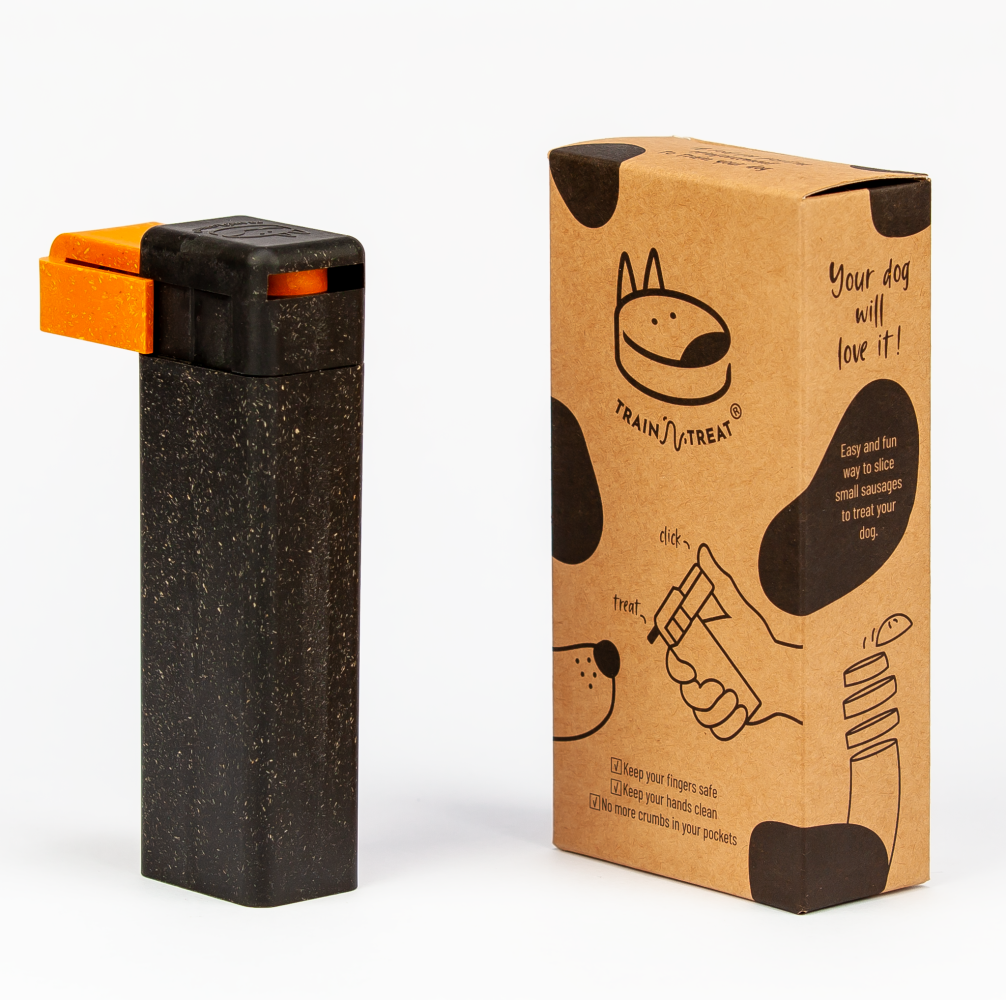


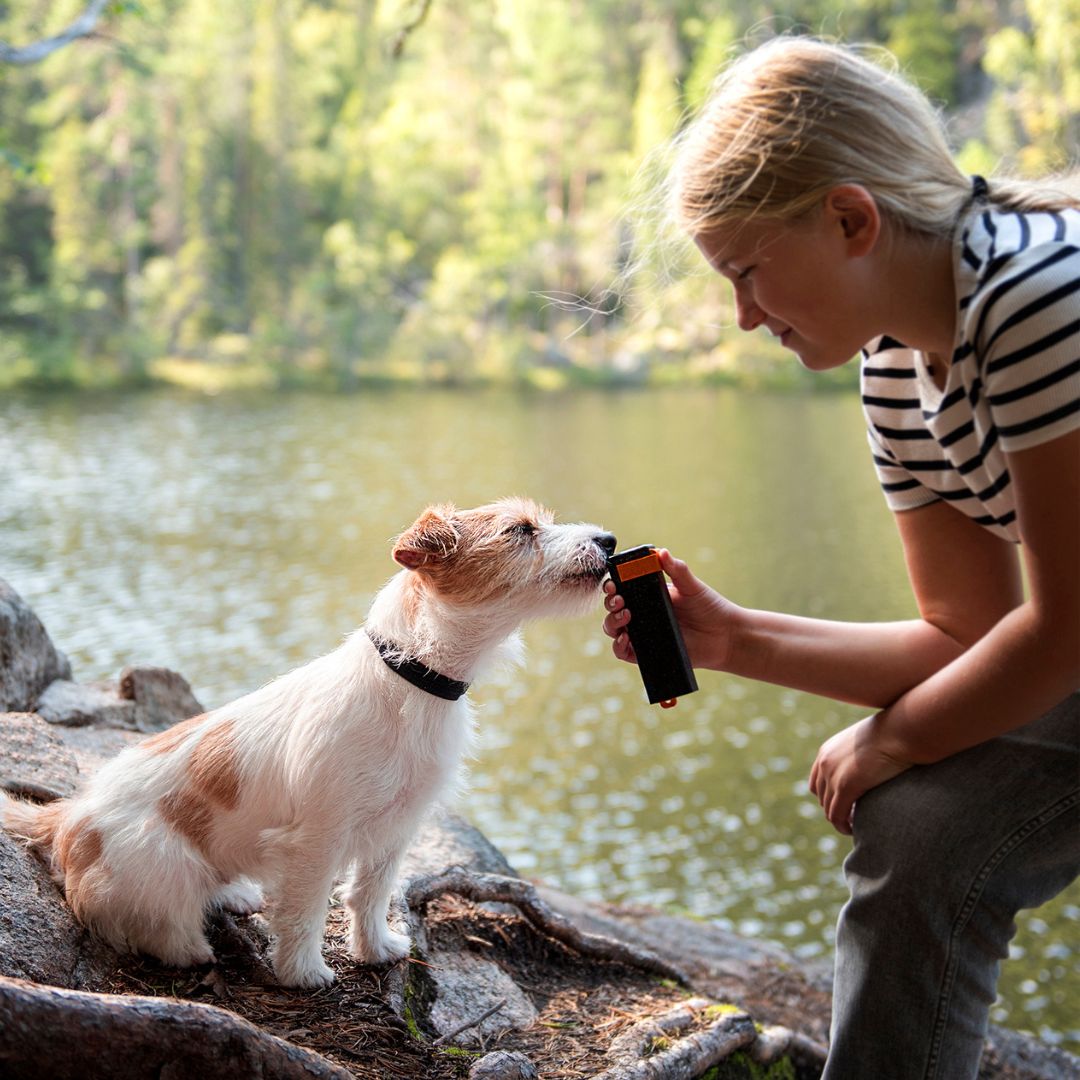


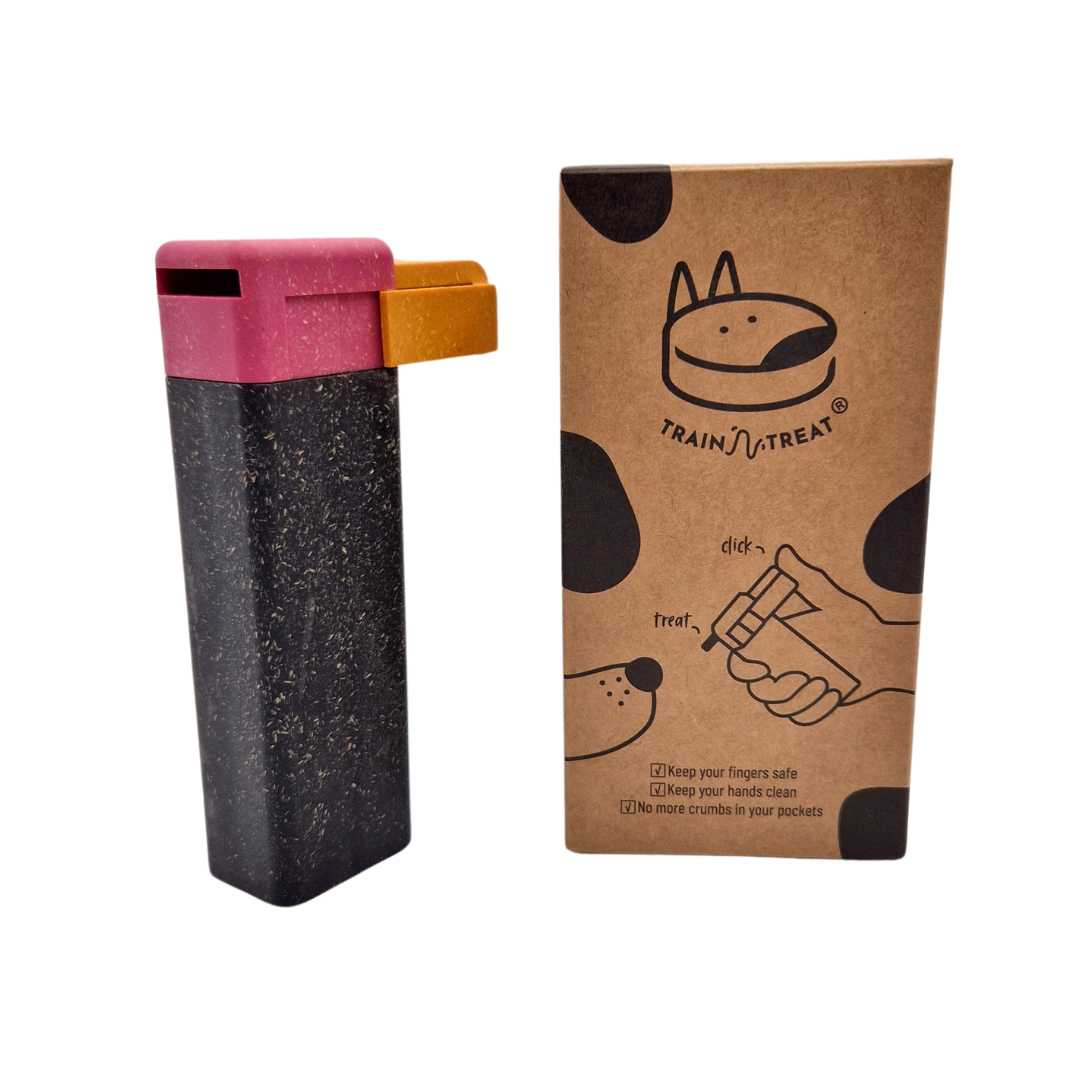


Train'N'Treatista
Blogit
Näytä kaikki-

Mitkä herkut sopivat parhaiten koiran koulutuks...
Oikean palkkion valitseminen on yhtä tärkeää kuin itse koulutus. Kun herkku on pehmeä, voimakastuoksuinen ja koirallesi vastustamaton, oppiminen nopeutuu, koulutustuokioista tulee miellyttävämpiä ja koirasi pysyy motivoituneena.
Mitkä herkut sopivat parhaiten koiran koulutuks...
Oikean palkkion valitseminen on yhtä tärkeää kuin itse koulutus. Kun herkku on pehmeä, voimakastuoksuinen ja koirallesi vastustamaton, oppiminen nopeutuu, koulutustuokioista tulee miellyttävämpiä ja koirasi pysyy motivoituneena.
-

Miksi koira ei tule luokse? 10 yleisintä virhet...
Luoksetulo on yksi tärkeimmistä taidoista, jonka voit koirallesi opettaa. (Katso Manun video YouTubesta) Se lisää turvallisuutta, tekee ulkoilusta rennompaa ja antaa koiralle enemmän vapautta. Silti moni koiranomistaja tuskailee saman asian...
Miksi koira ei tule luokse? 10 yleisintä virhet...
Luoksetulo on yksi tärkeimmistä taidoista, jonka voit koirallesi opettaa. (Katso Manun video YouTubesta) Se lisää turvallisuutta, tekee ulkoilusta rennompaa ja antaa koiralle enemmän vapautta. Silti moni koiranomistaja tuskailee saman asian...
-

Koiran säännöt ennen koiran kotiin tuomista – 3...
Uuden koiran saapumiseen valmistautuminen on jännittävää. Useimmat tulevat koiranomistajat käyttävät paljon aikaa sopivan rodun valintaan, tarvittavien tarvikkeiden hankintaan ja kodin valmisteluun koiraystävälliseksi. Yksi tärkeimmistä asioista kuitenkin jää usein huomiotta: selkeiden kotisääntöjen...
Koiran säännöt ennen koiran kotiin tuomista – 3...
Uuden koiran saapumiseen valmistautuminen on jännittävää. Useimmat tulevat koiranomistajat käyttävät paljon aikaa sopivan rodun valintaan, tarvittavien tarvikkeiden hankintaan ja kodin valmisteluun koiraystävälliseksi. Yksi tärkeimmistä asioista kuitenkin jää usein huomiotta: selkeiden kotisääntöjen...


