
1 Tool, 100 Uses – Training Everyday Life Skills for Your Dog Throughout Their Lifetime
If dogs could write their own résumé, it would probably say something like:
"Can locate a single crumb from three rooms away. Recognizes the sound of the refrigerator door opening. Wakes up instantly when someone unwraps cheese."
Impressive skills, certainly. But the most important life skills are something entirely different.
Coming when called, settling calmly, accepting handling, walking politely on a leash, and developing self-control are the skills that make everyday life easier and more enjoyable for both dogs and their humans.
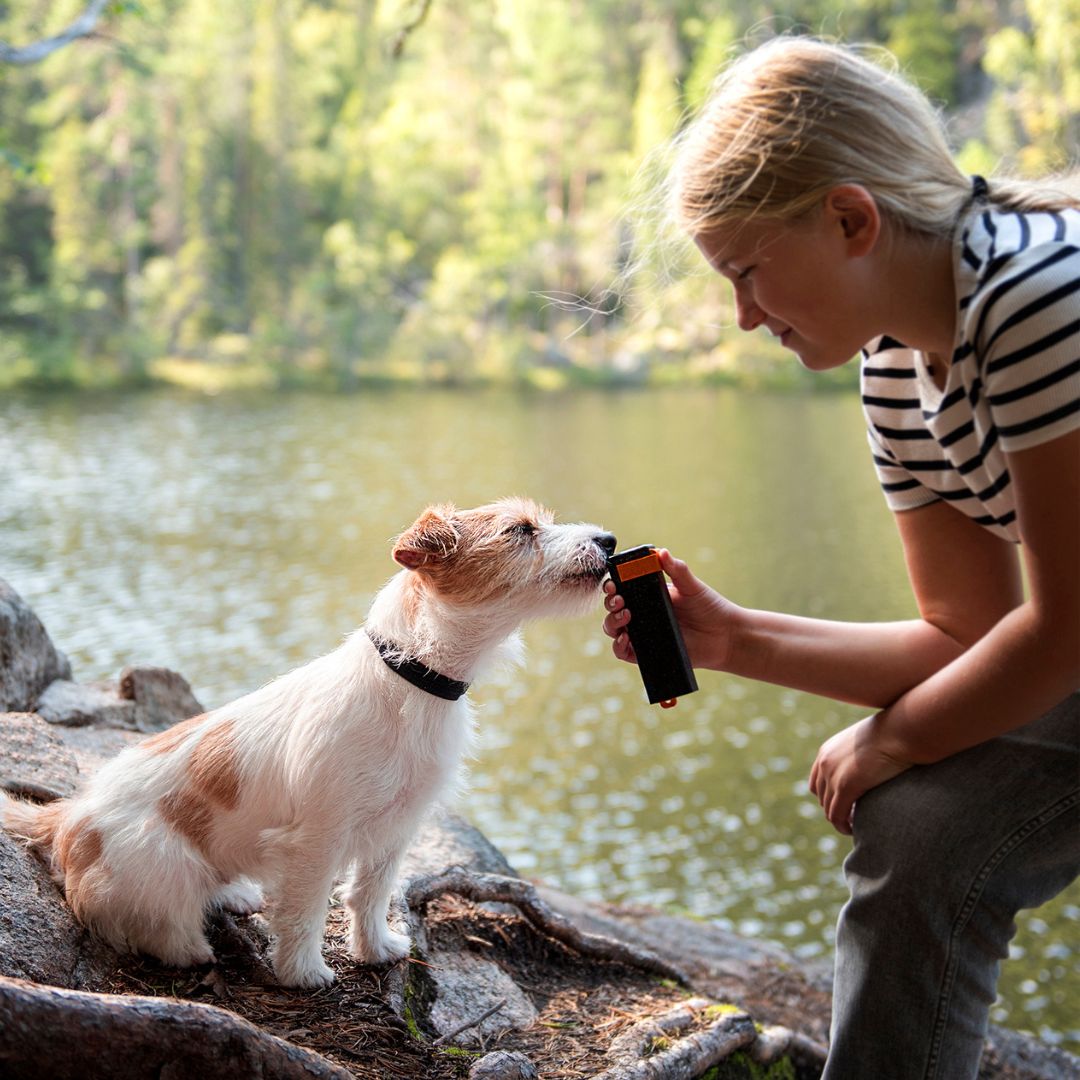
Many people are surprised by how little training actually requires. You don't need dozens of different tools, lengthy training sessions, or complicated programs. One training tool, a few minutes a day, and a handful of rewards are enough to make a real difference.
Think of it this way:
1 tool. 100 uses. 5 minutes a day.
 A training session can last just a few minutes. Around 20 treats a day can be used as rewards for successful repetitions. When you practice consistently, those small daily moments grow into lifelong skills.
The most important rule is simple: Always end on a success.
When a training session finishes with a win, your dog is left with a feeling of accomplishment and enthusiasm for the next session. Training stays fun, trust grows stronger, and your dog becomes more confident when facing new situations.
The following list includes 100 everyday skills that dogs benefit from throughout the different stages of life. Training starts on day one and gradually progresses from simple foundations to more advanced challenges as your dog grows from puppyhood to their senior years.
100 Everyday Skills for Your Dog's Entire Life
Here are 100 everyday skills for your dog's entire lifetime. The idea is that training begins on the very first day and progresses from easy to more challenging as your dog grows. A single training session can be just a few minutes long, and about 20 treats a day can be used as small rewards.
Puppy (40 exercises for dogs under 9 months)
Goal: Safety, trust, handling, and essential life skills.
- Responding to their name
- Making eye contact when asked
- Going to their bed or mat
- Relaxing in your lap
- Getting used to wearing a collar
- Putting on a harness
- Accepting leash attachment
- Coming when called from a short distance
- Sit
- Down
- Waiting briefly before approaching the food bowl
- Leaving a treat alone ("leave it")
- Hand target (touching your hand)
- Ear handling
- Paw handling
- Teeth inspection
- Getting used to brushing
- Introduction to bathing
- Towel drying
- Seeing nail clippers without fear
- Handling one nail
- Meeting different kinds of people
- Getting used to children's sounds
- Getting used to vacuum cleaner sounds
- Relaxing when the doorbell rings
- Getting into a car
- Short car rides
- Introduction to elevators
- Introduction to stairs
- Walking on different surfaces
- Practicing being alone for a few minutes
- Relaxing in a crate or designated area
- Releasing a toy on cue
- Trading objects willingly
- Not biting hands during play
- Gentle handling
- Greeting strangers calmly
- Walking a few steps on a loose leash
- Relaxing in a café or park
- First "place" command
Adolescent / Junior Dog (30 exercises for dogs from 9 to 18 months)
Goal: Self-control and handling distractions.
- Recall in the yard
- Recall around other dogs
- Longer waiting periods
- Staying in place
- Loose-leash walking in busy environments
- Leaving food on the ground
- Passing other dogs calmly
- Passing bicycles
- Passing joggers
- Ignoring children playing nearby
- Jumping into the car on cue
- Veterinary handling position
- Nail trimming for multiple nails
- Relaxing in a café
- Good manners in someone else's home
- Going to place when the doorbell rings
- Waiting before going outside
- Not rushing out of the car
- Calm greetings
- Carrying items
- Retrieving a toy
- Finding a treat in a room
- Outdoor scent work
- Following the owner off leash in a fenced area
- Walking on the left side
- Walking on the right side
- Introduction to swimming
- Relaxing in public places
- Longer periods of being alone
- Waiting for their turn
Adult Dog (20 Exercises)
Goal: Reliable everyday behavior and strengthening existing skills.
- Reliable recall
- Staying in place with distractions
- Extended waiting
- Leaving food alone without supervision
- Loose-leash walking without pulling
- Calm veterinary visits
- Full nail trimming session
- Standing still for brushing
- Taking medication
- Relaxing during car travel
- Calmly greeting visitors at home
- Going to place during mealtimes
- Quietly waiting in a café
- Scent work activities
- Finding a lost toy
- Retrieving an item on request
- Waiting at a gate
- Responding to changes of direction during walks
- Emergency stop
- Relaxing in different environments
Senior Dog (10 Exercises)
Goal: Well-being, mobility, and safety.
- Slow and calm recall
- Gentle stretching with assistance
- Maintaining balance
- Calm brushing sessions
- Taking medication willingly
- Accepting care procedures
- Slow scent work
- Relaxing in unfamiliar places
- Assisted entry into a car
- Relaxation cue and resting on their own bed
Daily Training
-
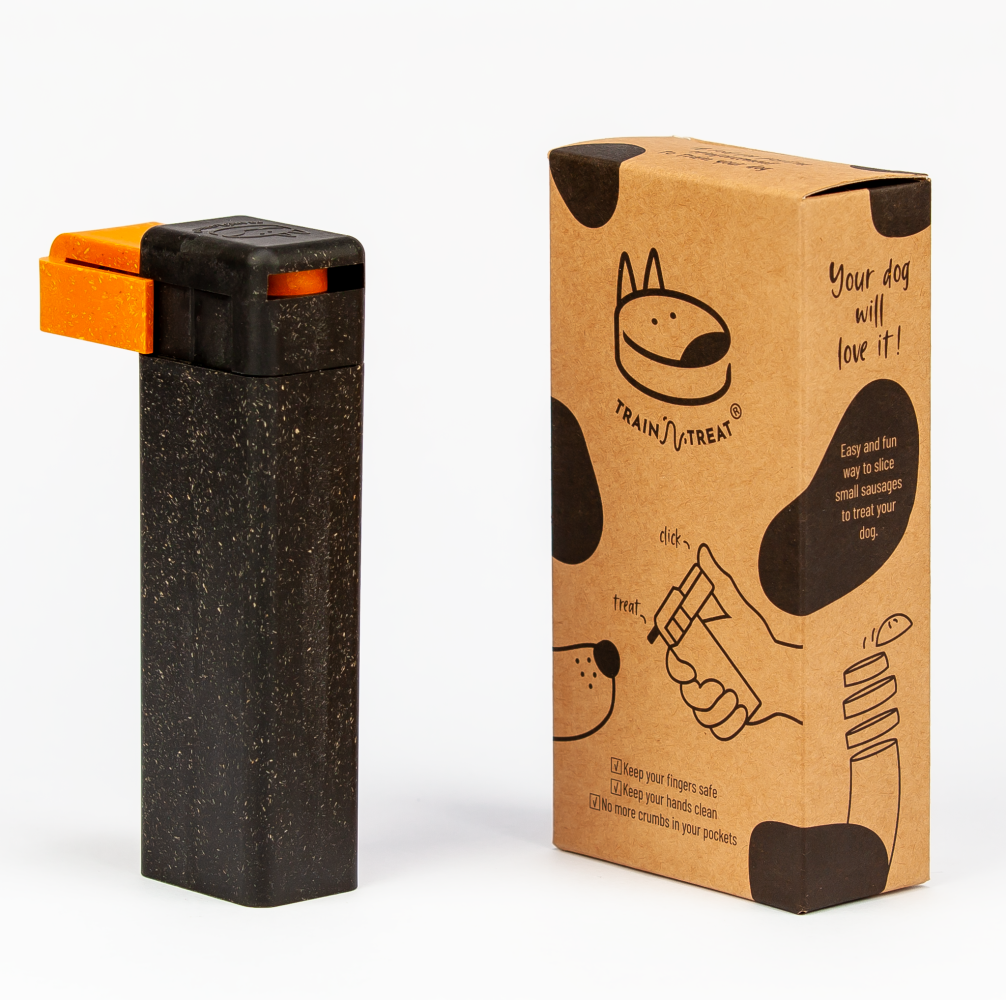
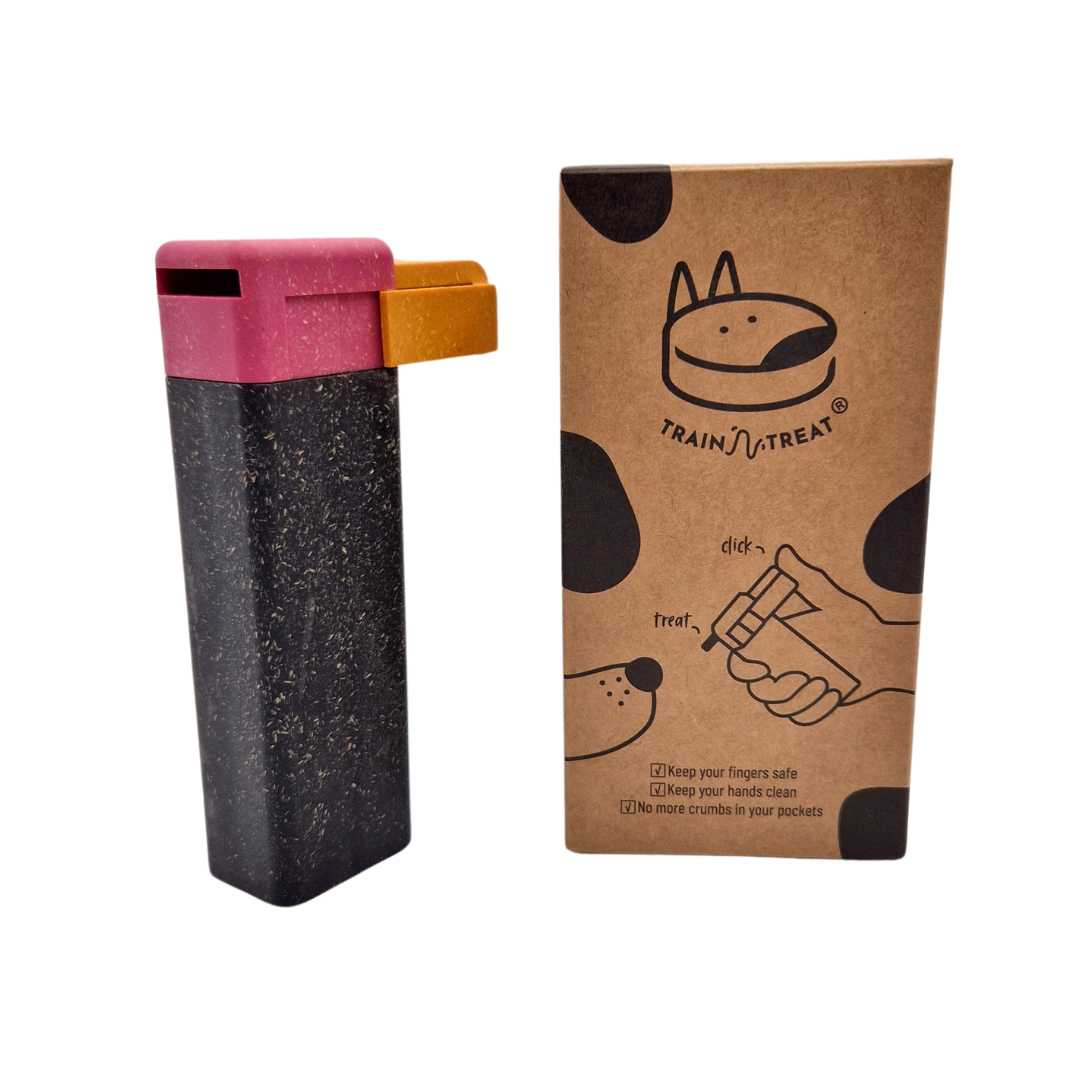
Use about 20 treats per day. (= 1 fill in Train'N'Treat Dog Treat Dispenser)

- Do 3–8 short training sessions throughout the day.
- Reward successes.
- Increase difficulty gradually.
- Go back to an easier step if your dog struggles frequently.
- Keep training fun and always end on a success.
This is how you build skills that make everyday life easier for both you and your dog—from puppyhood to the senior years.