
Why Won't My Dog Come When Called? 10 Common Recall Training Mistakes – and How to Teach a Reliable Recall with Positive Reinforcement
Imagine calling your dog and watching them happily run back to you—whether you're in the park, on a forest trail or in your backyard. A reliable recall isn't magic; it's a skill that almost every dog can learn with the right training.
 Recall is one of the most important behaviors you can teach your dog. (See Manu's video in YouTube) It keeps your dog safe, gives them more freedom, and makes every walk more enjoyable. Yet many dog owners ask the same frustrating question:
"Why won't my dog come when I call?"
The good news is that the problem is rarely stubbornness. More often, it's simply a matter of how recall has been taught.
In this article, we'll explore the 10 most common recall training mistakes and show you how to build a happy, reliable recall using positive reinforcement.
Why Is Recall So Important?
A reliable recall can literally save your dog's life.
It helps in situations such as:
- Your dog is running toward a road.
- Another dog suddenly appears.
- Your dog spots wildlife.
- A gate is accidentally left open.
- You want your dog to enjoy safe off-leash freedom.
Recall isn't just another trick—it's an essential life skill.
10 Common Recall Training Mistakes
1. You Only Call Your Dog When the Fun Ends
If every "Come!" means going home or getting back on the leash, your dog quickly learns that coming to you ends all the fun.
Instead, call your dog, reward generously (praise end treat), and then let them go back to exploring or playing.
Your dog should learn that coming when called doesn't always end the adventure.
2. The Reward Isn't Valuable Enough
If your dog is chasing exciting scents or watching another dog play, an ordinary biscuit may not be motivating enough.
Choose rewards your dog absolutely loves.
Soft, highly scented treats are often the most effective because they can be eaten quickly, allowing training to continue without interruption.
3. You Practice in Difficult Environments Too Soon
Many owners move too quickly from the living room to a busy dog park.
Instead, gradually increase distractions.
Start in:
- Your living room
- Your backyard
- A quiet park or forest
- Busier environments only after your dog succeeds consistently
Every successful repetition builds confidence.
4. You Repeat the Cue
"Come! Come! Come!"
Repeating the cue teaches your dog that responding the first time isn't necessary.
Say the cue once.
If your dog doesn't respond, the environment was probably too distracting. Make the exercise easier instead of repeating the command.
5. You Scold Your Dog After They Come
This is one of the biggest mistakes.
Your dog finally comes back.
You become frustrated and scold them.
Your dog learns:
"Coming back to my human leads to something unpleasant."
Next time, they'll be less eager to return.
Even if your dog took longer than expected, always reward the decision to come back.
6. Training Sessions Are Too Long
Dogs learn best through short, enjoyable sessions.
Three to five minutes is often enough.
Several short sessions each day are far more effective than one long training session.
7. Your Voice Isn't Inviting
Dogs are experts at reading emotions.
A cheerful, enthusiastic voice is much more motivating than a frustrated or demanding tone.
Become the most exciting thing in your dog's environment.
8. The Reward Comes Too Late
Timing is everything in positive reinforcement. (Read the story of Sulo the Truffle Dog)
The faster your dog receives their reward after making the correct choice, the stronger the learning.
That's why many owners prefer having treats immediately available instead of searching through their pockets at the critical moment.
9. You Never Practice with a Long Line
A long training line gives your dog freedom while allowing you to maintain safety and create successful repetitions.
It's one of the best tools for building reliable recall.
10. You Think Recall Training Is Finished
Recall is never truly "finished."
Even experienced dogs benefit from regular practice throughout their lives.
Every successful recall strengthens the habit.
How to Teach a Reliable Recall Step by Step
Step 1: Choose a quiet environment with very few distractions.
Step 2: Call your dog once using a happy, enthusiastic voice.
Step 3: Praise your dog as soon as they start moving toward you.
Step 4: Reward immediately when your dog reaches you.
Step 5: Allow your dog to return to exploring or playing.
Repeat several times and always finish while your dog is still enjoying the game.
Why Timing Matters
In positive reinforcement training, timing is almost everything.
The closer the reward is to the correct behavior, the easier it is for your dog to understand what earned the reward.
Many dog owners therefore prefer reward systems that allow them to deliver soft treats instantly without fumbling through their pockets.

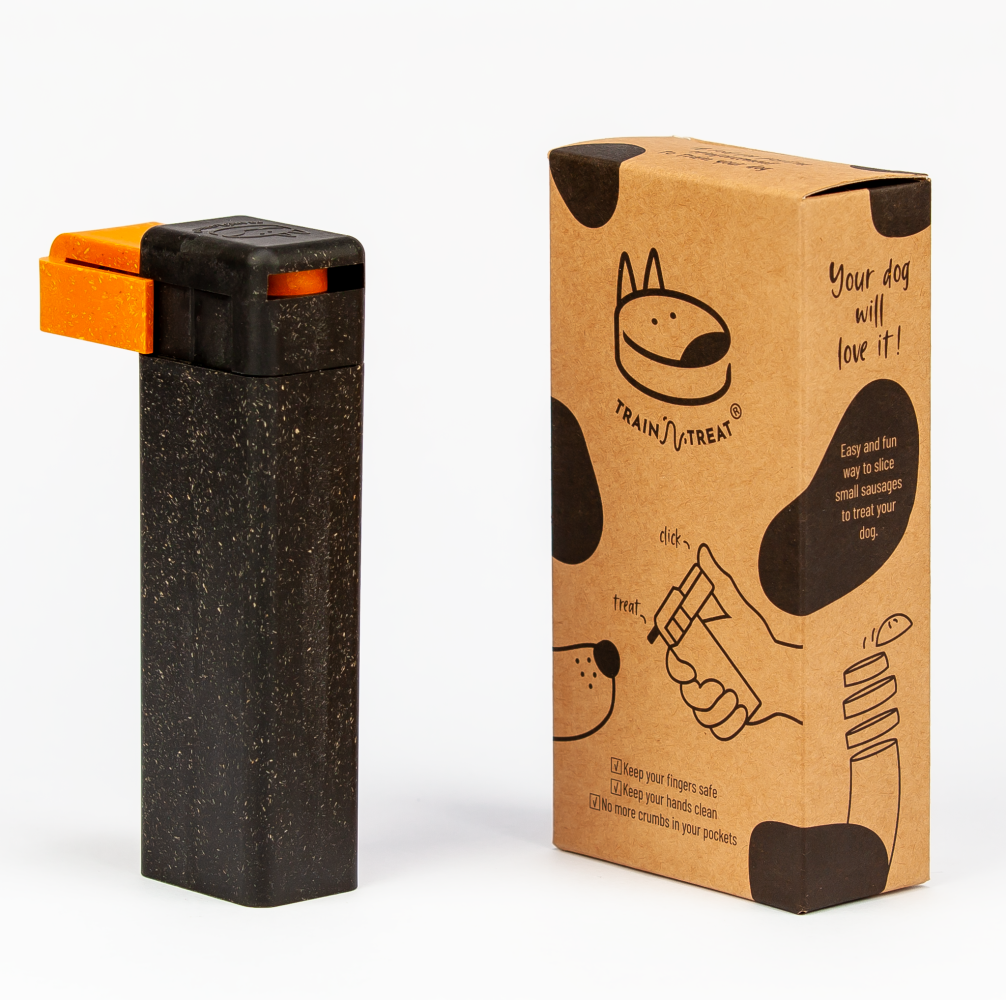
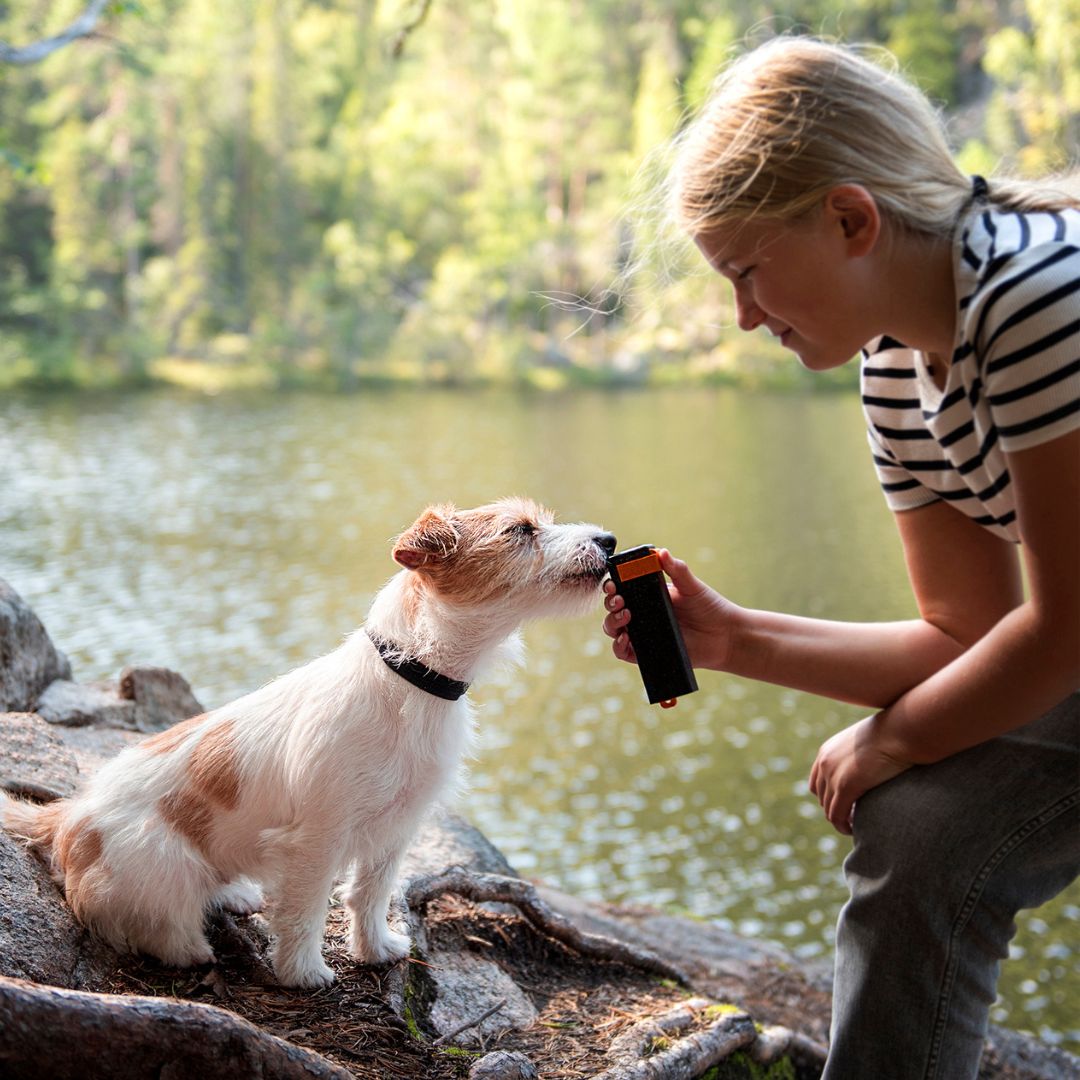
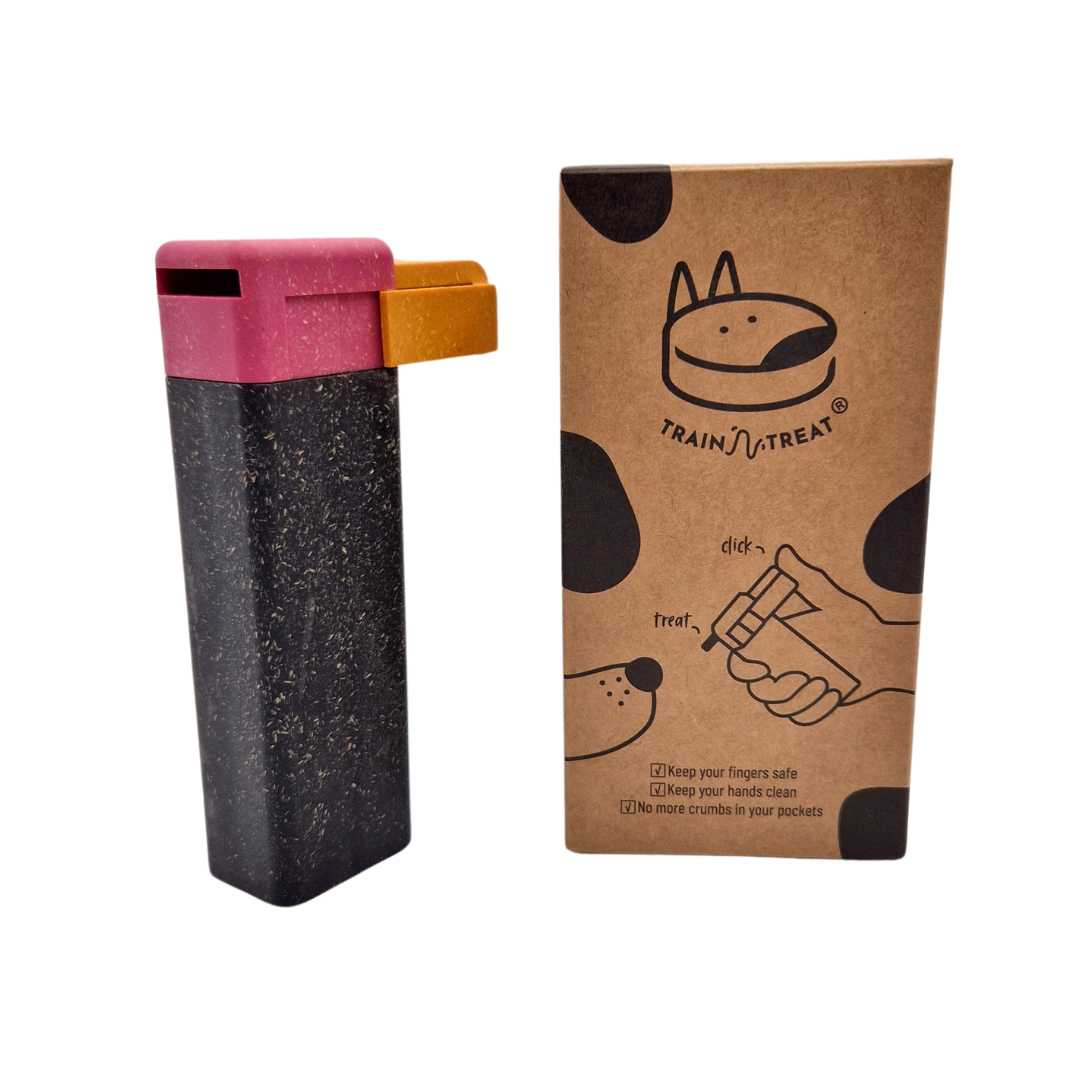
The Train'N'Treat® Dog Treat Dispenser makes it easy to reward your dog with a single press. Soft treats are always ready, your hands stay clean, and rewards can be delivered at precisely the right moment—even while wearing gloves during winter training.
Frequently Asked Questions
At what age should I start recall training?
As soon as your puppy (video of Viiru, age 16 weeks) comes home. Adult dogs can also learn excellent recall with consistent positive training.
Just a few minutes every day. Consistency is much more important than long sessions.
Choose treats your dog finds highly rewarding. Soft, meat-based treats are often ideal because they're easy to eat quickly and keep your dog's focus on training.
Go back to an easier environment with fewer distractions. Success should come often before increasing the difficulty.
Final Thoughts
Reliable recall doesn't happen overnight. It's built through hundreds of successful repetitions where your dog learns that coming back to you is always rewarding.
Remember these five keys:
- Start easy and gradually increase distractions.
- Reward immediately.
- Use rewards your dog truly values.
- Keep training sessions short.
- Remember daily training.
- Make every recall a positive experience.
With consistent positive reinforcement and excellent timing, recall can become one of your dog's strongest and most reliable skills.
Try This Today
On your next walk, practice five happy recalls in a quiet area. Reward every success immediately and let your dog continue exploring.
Small, successful training sessions build confidence, strengthen your bond, and help create a dog that happily comes running every time you call.
Make Recall Training Easier with Train'N'Treat®

Every successful recall begins with great timing. When you can reward your dog instantly, they learn faster and stay motivated to come back every time you call. The Train'N'Treat® Treat Dispenser keeps soft treats ready at the push of a button, so you can reward your dog immediately without sticky hands or searching through your pockets. Whether you're training a young puppy or improving an adult dog's recall, Train'N'Treat helps make every reward count. Order your Train'N'Treat® today and start building a happier, safer, and more reliable recall with every walk.