
Puppy Training Guide: 10 Essential Skills Every Puppy Should Learn
Bringing home a new puppy is exciting – and sometimes overwhelming.
Your puppy needs to learn where to go potty, how to walk on a leash, how to come when called, how to settle down and how to live in a world full of people, dogs, sounds and distractions.
The good news is that you don't need to teach everything at once.
Good puppy training starts with everyday life. Every time your puppy looks at you, follows you, settles down, comes when called or goes potty outside, they are learning.
The key is simple: Notice the good behavior and reward it.
Here are 10 essential skills that will help you build a strong foundation with your new puppy.
1. Start puppy training from day one
When should you start training a puppy?
From the first day your puppy comes home.
Training doesn't have to mean formal sessions. Your puppy is already learning from everything that happens around them.
They learn what happens when they come to you. They learn whether pulling gets them somewhere. They learn where to sleep, where to potty and what happens when they choose to settle down.
Keep the first lessons simple.
Reward the behaviors you want to see again.

2. Puppy potty training – teach your puppy where to go
Learning how to potty train a puppy is usually one of the first priorities for a new puppy owner.
Take your puppy outside frequently, especially after sleeping, eating, drinking and playing.
When your puppy goes potty in the right place, reward them immediately.
Don't wait until you are back inside.
Your puppy needs to connect the reward with what they just did.
Accidents will happen. They are part of having a puppy. Instead of punishing mistakes, concentrate on creating more opportunities for your puppy to succeed.
READ MORE: Potty Training Guide
3. Teach your puppy their name and attention
Before teaching lots of commands, teach your puppy that paying attention to you is worthwhile.
Say your puppy's name once.
When they look at you, mark that moment with praise, a marker word or a click and reward them.
You can also reward attention your puppy offers without being asked.
Your puppy looks at you during a walk?
Notice it.
Your puppy chooses to follow you?
Notice it.
Your puppy checks in with you when something interesting happens?
Notice it.
These tiny moments build communication between you and your dog.
4. Puppy recall training – teach your puppy to come when called
A reliable recall is one of the most valuable skills you can teach your puppy.
Start somewhere quiet.
Move a short distance away, call your puppy in a happy voice and reward them when they come to you.
Make coming to you worth it.
Don't repeatedly call your puppy when you know the environment is too difficult. And don't make coming to you predict something unpleasant every time.
Practice in easy situations first and gradually add distance and distractions.
Your goal is to teach your puppy:
Coming to my person is a great choice.
READ MORE : Reliable Recall Guide
5. How to leash train a puppy
Puppies aren't born knowing how to walk on a leash.
Start in an easy environment, even inside your home.
Reward your puppy for staying close to you and for moving with you while the leash is loose.
Keep early walks short and allow plenty of time for sniffing and exploring.
If your puppy pulls, don't think only about correcting the pulling.
Look for the moments when the leash is loose.
Notice what your puppy is doing right and reinforce it.
Those are the behaviors you want more of.
READ MORE: Loose Leash Walking Guide
6. Puppy socialization is about positive experiences
Puppy socialization doesn't mean your puppy needs to meet every dog and every person.
The goal is to help your puppy experience the world safely.
Different people. Friendly dogs. Surfaces. Sounds. Cars. Handling. New environments.
Give your puppy space and don't force interactions.
A puppy who observes something new calmly from a distance is learning too.
Quality matters more than collecting as many experiences as possible.

7. Teach your puppy to settle
We often spend a lot of time teaching puppies to do things.
Sit.
Come.
Walk.
Wait.
But learning to do nothing is also an important skill.
When your puppy lies down and relaxes on their own, notice it.
Quietly reward calm behavior.
Over time, your puppy can learn that settling down is rewarding too.
This is particularly useful in everyday situations such as cafés, visits, travel or simply relaxing with your family at home.
8. Teach your puppy to be handled
Your puppy will need to be touched and handled throughout their life.
Paws need checking. Nails need trimming. Teeth need examining. Ears may need cleaning. Coats need brushing.
Make handling a positive experience from the beginning.
Start with very short sessions.
- Touch a paw – reward.
- Look at an ear – reward.
- Brush briefly – reward.
Don't wait until grooming or veterinary care becomes necessary before introducing these experiences.
9. Keep puppy training sessions short
Puppies don't need long training sessions.
A few successful repetitions can be enough.
You can incorporate puppy training into normal life instead:
- Before opening the door.
- During a walk.
- At mealtime.
- When visitors arrive.
- When your puppy chooses to come to you.
- When your puppy settles beside you.
Think less about scheduling one long training session and more about recognizing dozens of tiny learning opportunities throughout the day.
Your puppy is learning all the time.
10. Reward your puppy at the right moment
One of the most important puppy training tips is also one of the simplest:
Timing matters.
If you want your puppy to understand which behavior earned the reward, reward as soon as possible after the behavior.
This is why it helps to have rewards ready.
If your puppy comes when called, reward the recall.
If your puppy walks beside you on a loose leash, reward that moment.
If your puppy goes potty outside, reward outside.
If your puppy chooses calm behavior, notice it while it is happening.

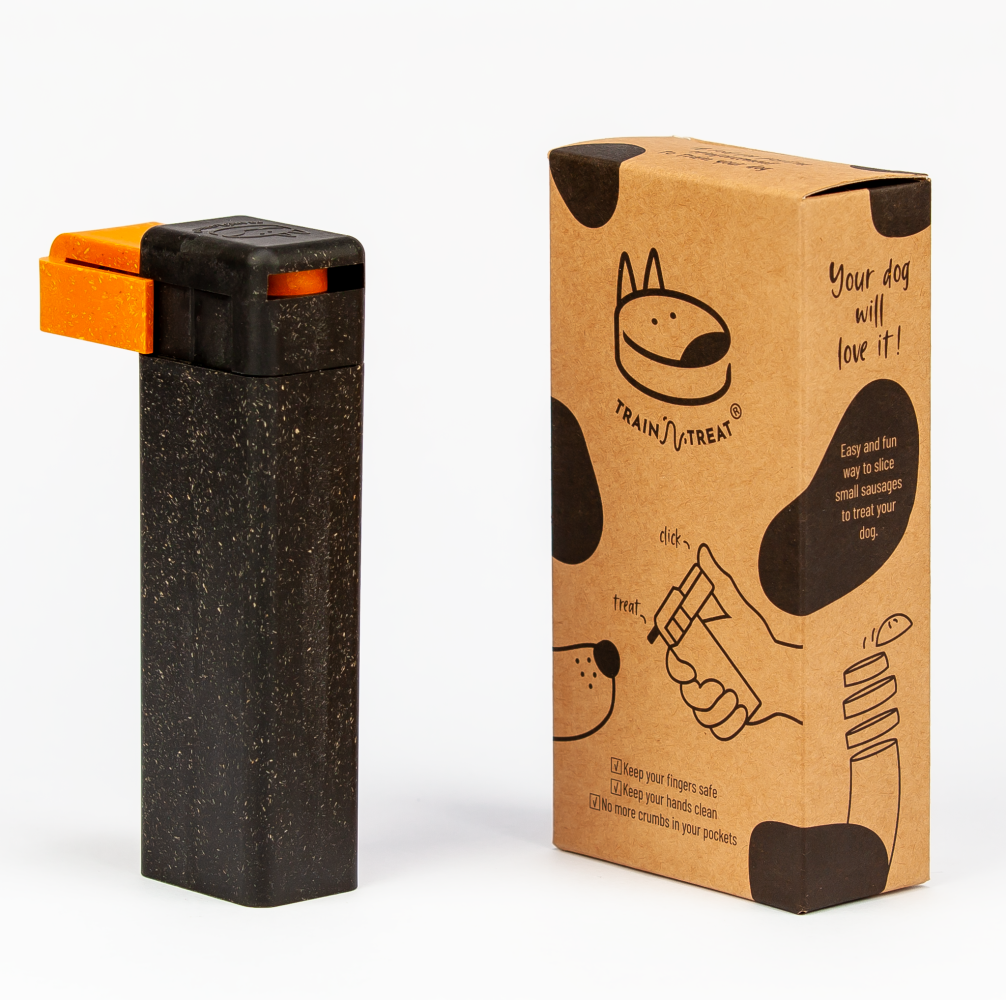
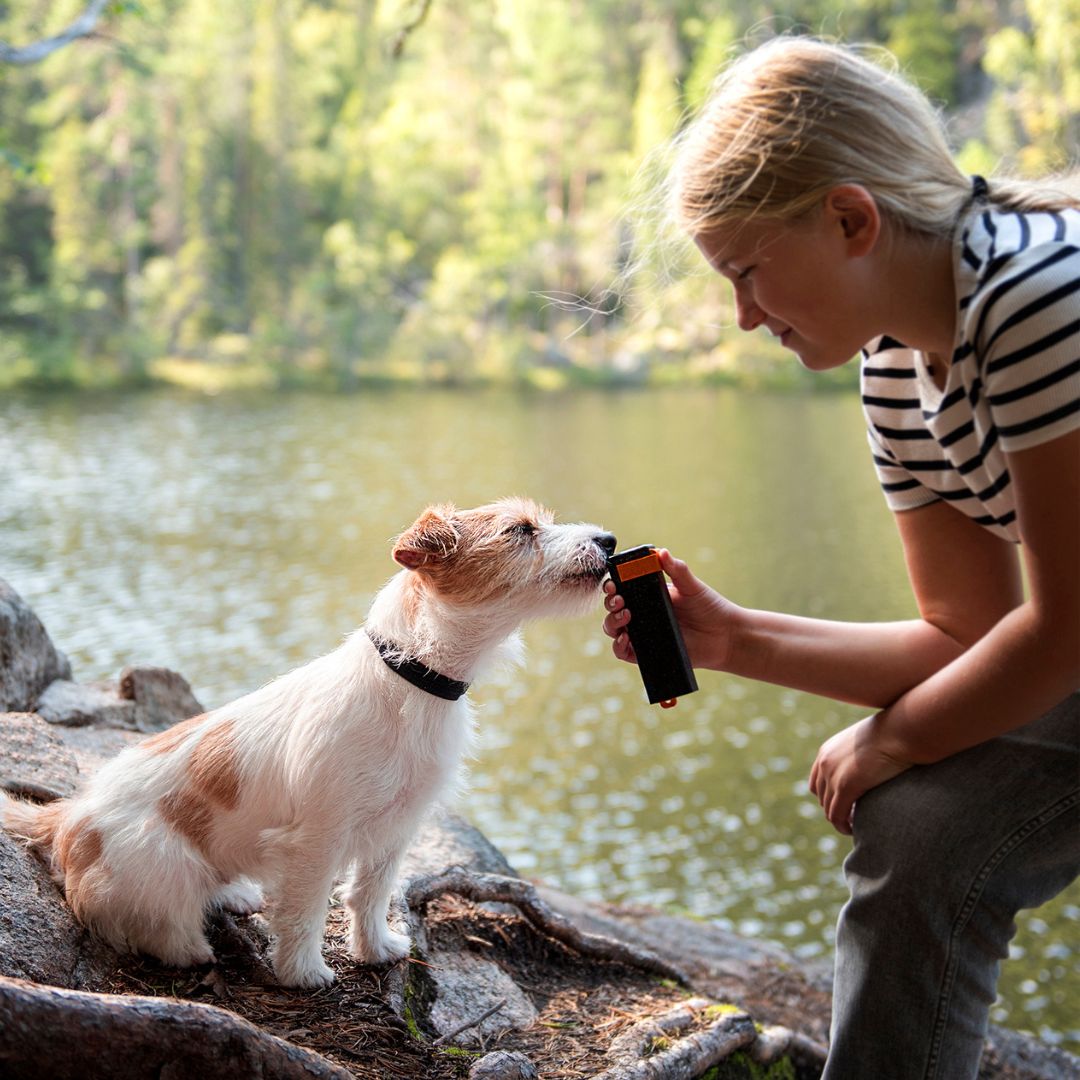
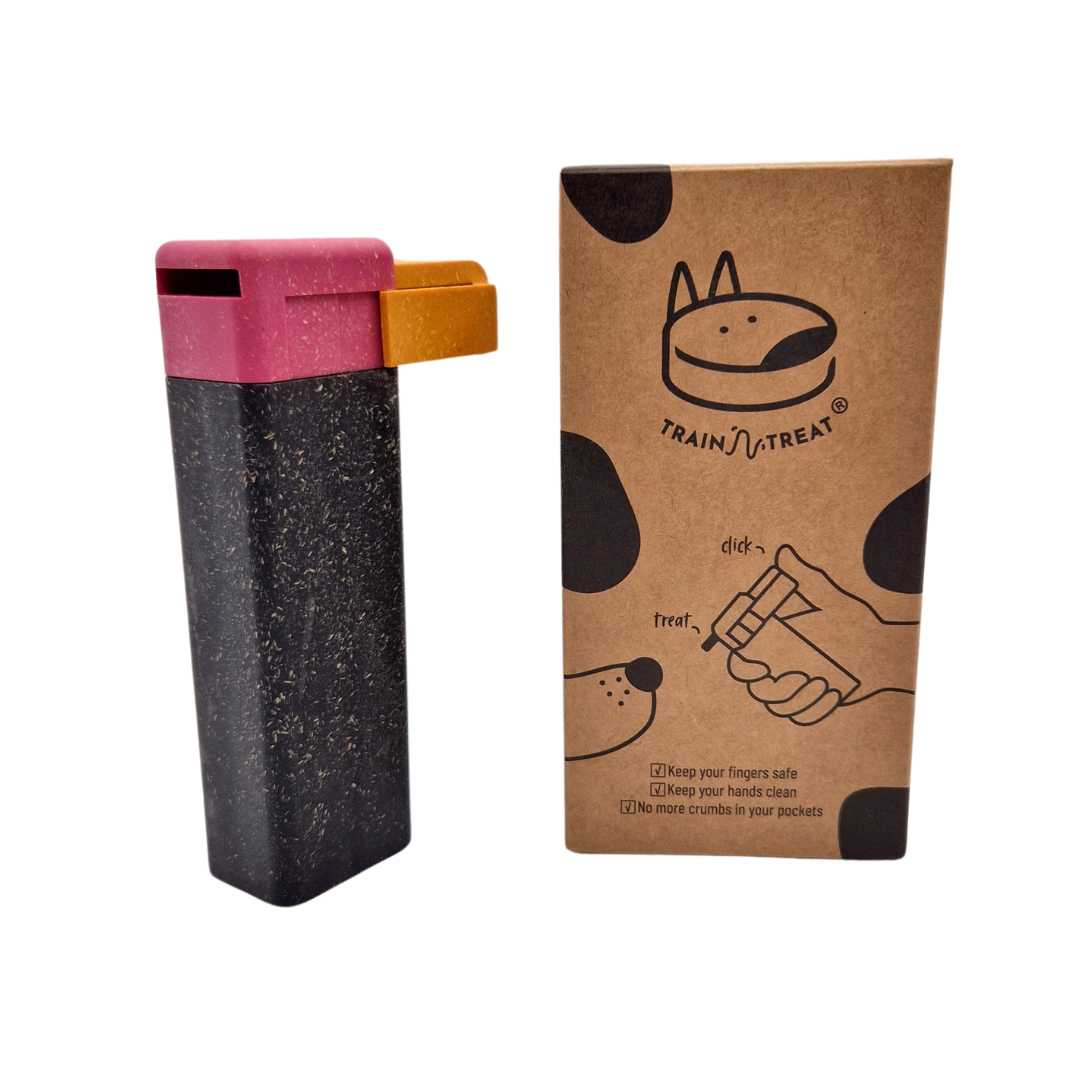
Train'N'Treat treat dispenser was created to make food rewards quick, easy and clean to deliver during everyday dog training. Instead of searching your pockets for treats at the right moment, you can have the reward ready when your puppy gets it right.
Because the moment you want to reward can be very small.
Notice the good. Reward it.
A simple puppy training schedule
You don't need to train all 10 skills every day.
Build training into your puppy's normal routine.
Morning: potty training + name and attention
Walks: leash skills + recall + socialization
Meals: attention + simple everyday skills
Afternoon: handling or a short training session
Evening: calmness and settling
And throughout the entire day:
Notice good choices.
Your puppy is learning even when you aren't intentionally training.
What should you teach a puppy first?
If you have just brought your puppy home, focus first on the skills that make everyday life safe and predictable:
Potty training, responding to their name, coming when called, being comfortable with handling, walking with you and learning to settle.
You don't need a perfect puppy. You are building communication and habits that can last a lifetime.
The most important puppy training tip: notice the good
It's easy to notice puppy problems.
- The puppy peed on the floor.
- The puppy pulled on the leash.
- The puppy chewed something.
- The puppy didn't come.
But every day your puppy also does hundreds of things right.
- They look at you.
- They follow you.
- They come close.
- They walk without pulling.
- They lie down.
- They wait.
- They make good choices.
Those moments are your training opportunities. Notice them and reward them.
Because good puppy training isn't only about stopping unwanted behavior.
It's about helping your puppy understand what you want them to do instead.
Notice the good + Reward it = Good dog.
Frequently asked questions about puppy training
When should I start training my puppy?
You can start puppy training as soon as your puppy comes home. Keep training simple, positive and part of everyday life.
How do I potty train a puppy?
Take your puppy outside frequently, especially after sleeping, eating and playing. Reward your puppy immediately after they potty outside.
How long should puppy training sessions be?
Keep sessions short. A few successful repetitions at a time are often enough for a young puppy.
What should I teach my puppy first?
Start with everyday skills such as potty training, name recognition, recall, leash walking, handling and settling.
What is the best way to reward a puppy during training?
Reward the behavior you want as soon as it happens. Good timing helps your puppy understand exactly which behavior earned the reward.