
Don't Ask What to Teach Your Dog – Ask Why You Train Your Dog
When you bring home a new puppy, one of the first questions is often: What should I teach my puppy? Recall, sit, loose-leash walking, staying home alone, waiting, settling down? The list can quickly become overwhelming.
Maybe we're starting with the wrong question.
In Simon Sinek's Golden Circle theory, thinking starts from the inside out: first WHY, then HOW, and finally WHAT. The model was originally developed around leadership and organizations, but the same order works surprisingly well when we think about dog training.

Applied to dog training, the three questions are simple: WHY defines the goal, HOW defines our training philosophy, and WHAT defines the skills our individual dog actually needs.
WHY – What Kind of Life Do You Want With Your Dog?
Before deciding what your dog should learn, think about why you want to train your dog in the first place. At Train'N'Treat, we believe the goal is to raise a good dog. But a good dog doesn't mean a perfectly obedient dog. A good dog is one you can enjoy everyday life with – a dog with the skills to live a good life in our human world.
That's why dog training should begin with the owner. What kind of life do you want to have with your adult dog? Do you want to take your dog to cafés, into the city and on trips? Do you dream of letting your dog run freely in the woods? Do you often have visitors? Are there children in the family? Do you want to enjoy dog sports together, or are you mainly looking for a companion for everyday life?
With a tiny puppy, it's easy to forget that you are also training the adult dog you may share your life with for the next 10–15 years. Try to imagine your puppy as an adult. What would you like your everyday life together to look like then?
A good dog doesn't mean the same thing to everyone. For one owner, reliable recall may be essential. Another may need a dog that can remain calm in a busy city. For a family with children, completely different everyday skills may matter most. Your training goals should come from your life and your dog – not from what somebody else's dog can do.
HOW – Teach the Behavior You Want to See More Often
Once you know your goal, the next question is how you want to train your dog. Our training philosophy is based on rewarding desired behavior and positive reinforcement. Instead of constantly focusing on what the dog is doing wrong, we teach the dog what we would like them to do and reward success.
Training doesn't need to involve shouting, hitting, pulling, frightening or forcing a dog. Instead of punishing unwanted behavior, we can build and reinforce the behavior we want. When a dog does something we like and something valuable follows, the dog gradually learns that the behavior is worth repeating.
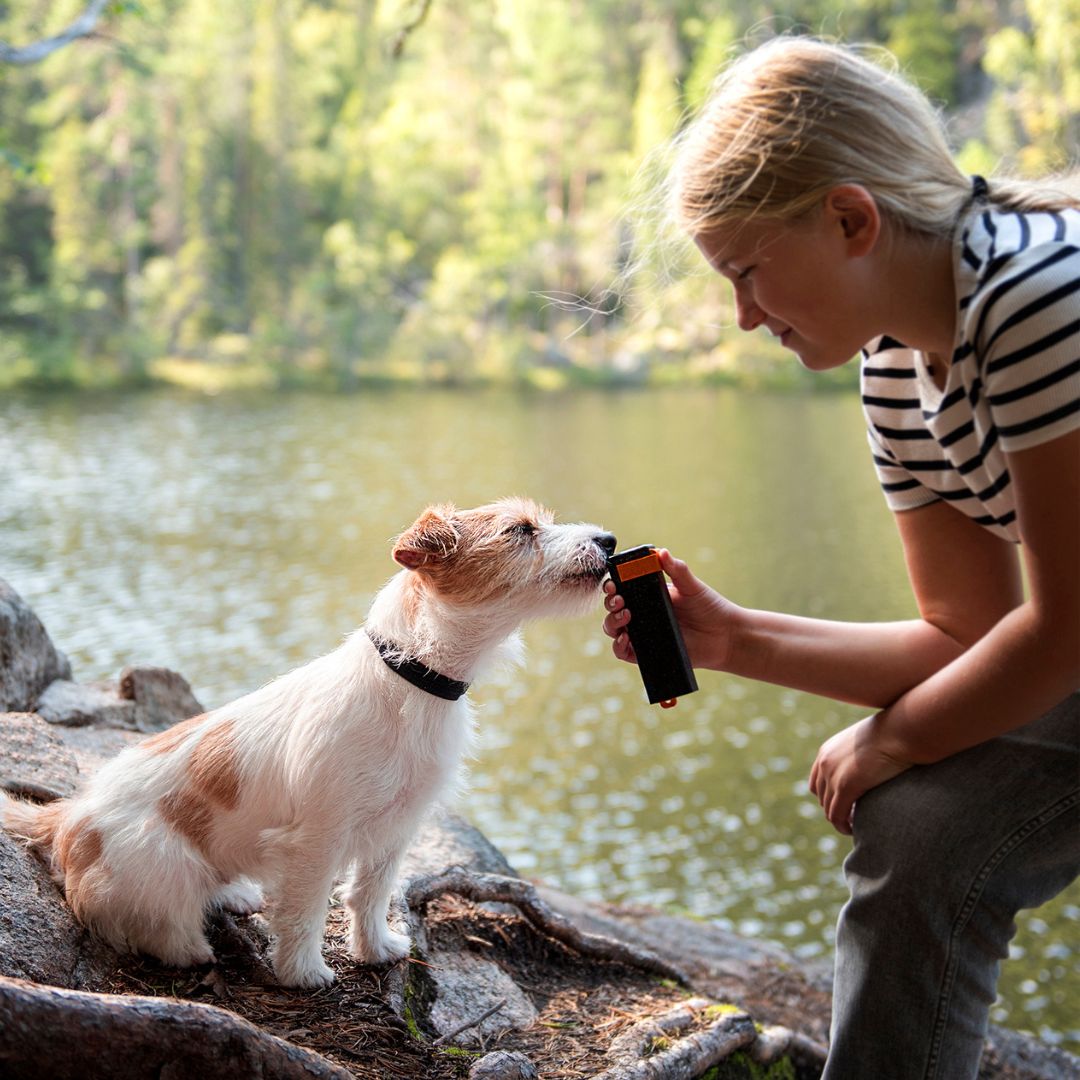
A reward can be food, play, praise, the opportunity to sniff or anything else that the individual dog values. Food rewards are particularly useful in many training situations because they can be delivered quickly and allow us to repeat an exercise several times.
Reward-based dog training is also about the kind of relationship we want to build with our dogs. Do we want a dog to cooperate because it is afraid of making a mistake, or because working with its human has a history of being safe and rewarding? When training involves success, rewards and a person the dog can trust, learning can become a positive part of the dog's life.

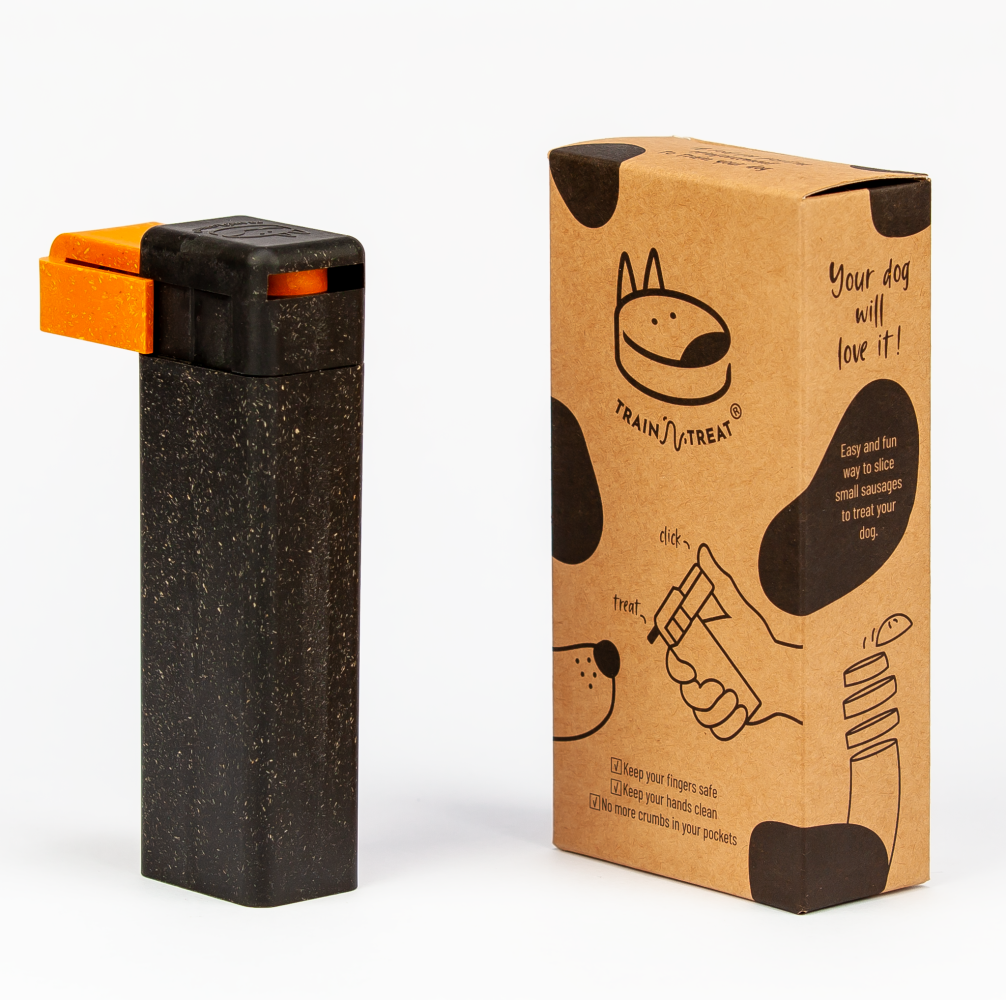
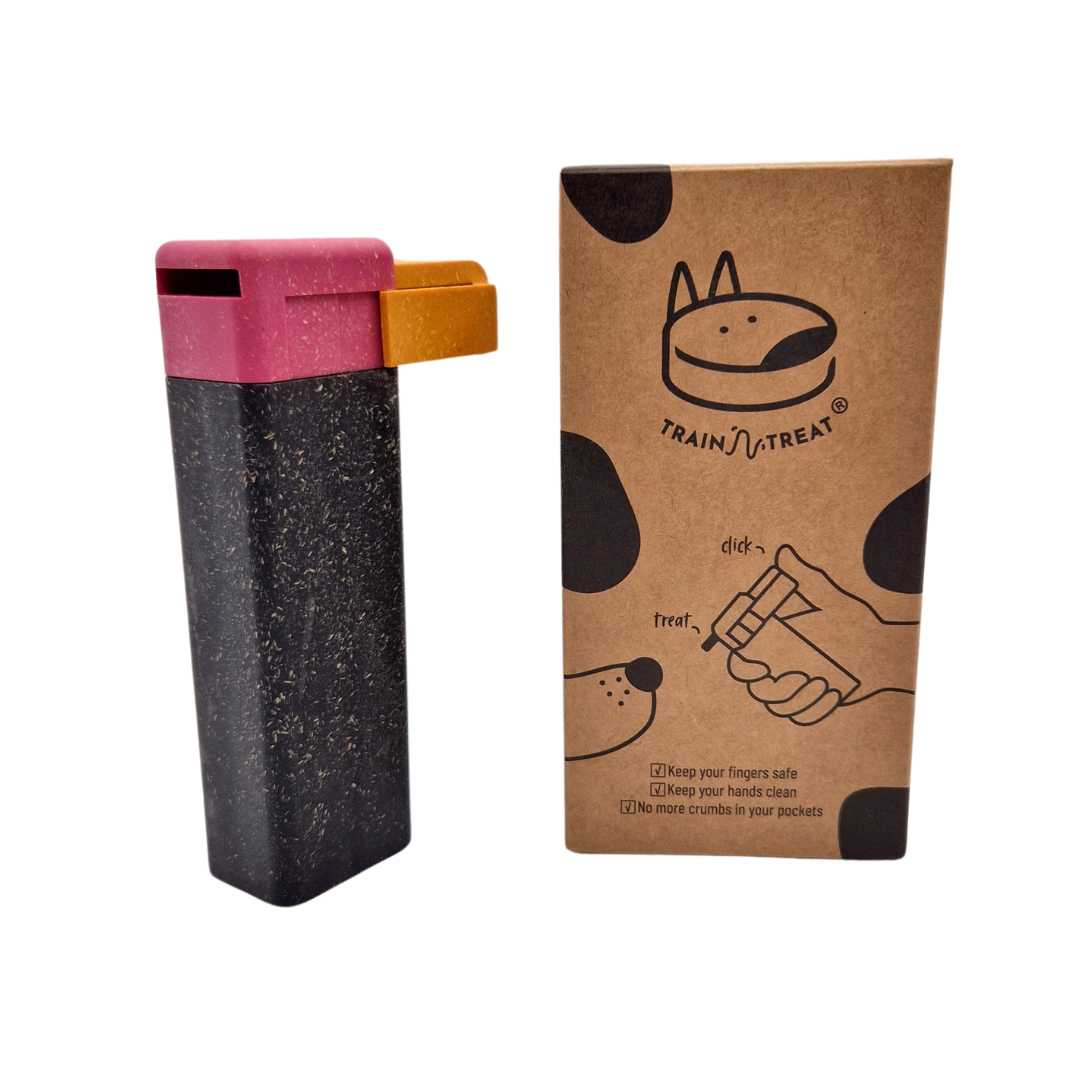
This idea is also why Train'N'Treat was created. Train'N'Treat doesn't train your dog for you. It helps make high-value treats (meat rolls, hotsodgs, cheese etc.) fast, easy, clean and safe. When rewarding is easy, it becomes easier for the human to notice and reinforce the small successes from which good everyday behavior is gradually built.
WHAT – What Does Your Dog Actually Need to Learn?
Only now do we make the list of what we want to teach our dog. Not every dog needs exactly the same skills, although certain everyday dog-training skills can make life significantly easier for both dogs and humans.
Useful good-dog skills can include:
- Reliable recall, giving your dog more freedom while helping keep them safe
- Loose-leash walking, making everyday walks more enjoyable
- Settling and calm behavior, so your dog doesn't need constant activity
- Waiting and impulse control, useful in countless everyday situations
- Passing dogs and people calmly, making encounters easier
- Being home alone, so your dog can cope safely without you
- Handling skills, helping with nail trimming, grooming and veterinary visits
- House rules and boundaries, so your dog understands what is expected at home.
But don't treat this as another checklist every dog must complete. Go back to the first question: What kind of life do you want to have with your adult dog? Then choose the skills that genuinely matter in your life together.
A Good Dog Is the Goal – Skills Are How We Get There
Simon Sinek's Golden Circle gives us an interesting way to turn traditional thinking about dog training around. Instead of starting with a long list of commands and skills, we start with the purpose.
WHY is the goal: We want to raise a good dog and build an everyday life together that is safe, enjoyable and happy.
HOW is the training philosophy: We teach, encourage and reward. We build cooperation without shouting, frightening or punishing our dogs.
WHAT is the skill set: Recall, loose-leash walking, calm behavior and whatever other skills our individual dog needs for the life we want to share.
When we put these questions in the right order, dog training stops being a checklist of commands. It has a purpose.
So don't start by asking what you should teach your dog. Start by asking what kind of life you want to share with your dog.
That's where training a good dog begins.
Good dogs aren't simply born. They are taught – together.