
16 Common Puppy Problems – And What to Do About Them
Getting a puppy is exciting. It can also be surprisingly exhausting.
READ: Full Puppy Training Guide
Your puppy pees on the floor five minutes after coming inside. It bites your hands, pulls on the leash, refuses to come when called and suddenly becomes completely wild just when you thought it was time to relax.
 And because you want to be a good puppy owner, you start wondering: Am I doing something wrong? Probably not.
A puppy is learning how to live in a human world. It does not know what a leash means, where it should pee, which things it is allowed to chew or why it should come to you when something much more interesting is happening.
Your job is not to raise a perfect puppy as quickly as possible. Your job is to help your puppy learn. Here are 16 of the most common puppy problems – and what you can do about them.
1. My Puppy Keeps Peeing in the House
House training takes time.
Young puppies cannot simply decide to hold their bladder for long periods, and they do not automatically understand that outdoors is the correct place to go.
Make success as easy as possible.
Take your puppy outside regularly and especially:
-
after waking up
-
after eating
-
after drinking
-
after playing
-
after an exciting situation.
When your puppy pees outside, reward it immediately.
If an accident happens indoors, clean it up and move on. Punishing a puppy for an accident does not teach it where you actually want it to go.
Remember: Your puppy isn't failing at house training. It is still learning.
2. My Puppy Bites Me All the Time
Those tiny teeth can hurt.
But puppy biting is normal.
Puppies explore with their mouths. They play with their mouths. They may also bite more when they are excited, frustrated or overtired.
Instead of punishing your puppy for using its mouth, show it what it is allowed to bite.
Redirect biting towards an appropriate chew toy or other suitable activity.
And if your puppy suddenly turns into a tiny crocodile every evening, consider whether it needs more sleep rather than more entertainment.
Sometimes the wildest puppy is simply a very tired puppy.
3. My Puppy Pulls on the Leash

Your puppy was not born knowing how a leash works.
From the puppy's perspective, there is something fascinating over there – so it moves towards it.
If pulling gets the puppy where it wants to go, pulling works.
Loose leash walking therefore needs to be taught.
Start somewhere easy rather than expecting perfect leash walking on a busy street.
Reward your puppy when the leash is loose and when it chooses to stay connected with you.
Keep the first exercises short.
You are not trying to create perfect heelwork.
You are teaching a new way of moving together.
Loose Leash Walking – The Complete Guide to Teaching Your Dog walk nicely on a leash
4. My Puppy Won't Calm Down
A puppy racing around the house, biting everything and jumping on everyone may look as though it has endless energy.
The obvious solution seems to be:
More exercise!
But be careful.
Sometimes a puppy that cannot settle is overstimulated or overtired.
Puppies need activity, but they also need plenty of opportunities to sleep and recover.
After activity, help life become boring again.
Reduce stimulation.
Slow yourself down.
Let the puppy rest.
A puppy needs to learn both how to become active and how to return to calmness.
Dog Training Guide to Calmness, Rest and Self-Regulation
5. I Feel Like I Have to Entertain My Puppy All Day
You bought toys.
You practise training.
You arrange play.
You go outside.
You introduce new experiences.
Then your puppy looks at you.
"What next?"
And you invent another activity.
Stop for a moment.
Your puppy does not need a personal entertainment director.
One of the most valuable things a puppy can learn is:
Sometimes nothing happens. And that's okay.
Let your puppy experience quiet moments.
Let it lie beside you while you work.
Let it watch the world.
Let it become bored.
Let it sleep.
Learning to simply be is an important life skill.
6. I'm Afraid Something Will Happen to My Puppy
Wanting to protect a puppy is completely natural.
But there is a difference between protecting a puppy from genuine danger and protecting it from experiencing the world.
A puppy needs opportunities to investigate different surfaces, sounds, other dogs, places, people and environments safely.
If something new appears, you do not always need to pick your puppy up immediately.
Stay close.
Observe your puppy.
Give it time.
Allow it to explore at its own pace.
Your role is not to remove the whole world.
Your role is to help your puppy discover that the world can be safe.
7. My Puppy Stops to Sniff Everything on Walks
Good.
Your puppy is doing something dogs are designed to do.
A puppy walk does not need to be a miniature obedience competition.
Your puppy does not need to walk perfectly beside your leg from beginning to end.
Let it sniff.
Let it stop.
Let it observe.
Let it investigate.
Of course you can practise loose leash walking during your walks. But do not turn every metre into training.
For a dog, a walk is not only physical exercise.
It is also an information-gathering journey.
8. My Puppy Doesn't Listen Outside
Your puppy knows its name perfectly in the kitchen.
Then you go outside.
Suddenly you apparently no longer exist.
That does not necessarily mean your puppy is stubborn.
The environment may simply be too difficult.
There are smells, people, dogs, birds, cars, leaves, sounds and movement everywhere.
Instead of repeating commands more loudly, make the situation easier.
Create more distance from distractions.
Use a valuable reward.
Practise in easier environments first.
Then gradually increase difficulty.
If your puppy cannot succeed, change the exercise before blaming the puppy.
9. My Puppy Won't Come When Called
Recall is one of the most important skills your puppy will ever learn.
Start early – but make it easy.
Say your puppy's name.
Get its attention.
Call it.
Reward generously when it reaches you.
One common mistake is repeatedly calling a puppy when you already know it is unlikely to respond.
Another is using recall mainly to end everything fun.
"Come!"
Leash goes on.
"Come!"
We leave the park.
"Come!"
Playtime ends.
Soon the puppy may learn that coming to you makes good things disappear.
Instead, make coming to you worth it.
You want your puppy to think: Running to my human is always a great idea.
Reliable Recall – The Complete Guide to Teaching Your Dog to Come Every Time
10. My Puppy Wants to Meet Every Dog
Socialisation does not mean your puppy should greet every dog it sees.
In fact, constantly allowing greetings can create another problem:
Your puppy begins to expect access to every dog.
Then one day you walk past another dog instead.
Your puppy becomes frustrated.
Teach both skills.
Sometimes your puppy can greet an appropriate dog.
Sometimes you simply walk past.
Reward your puppy for noticing another dog and then turning its attention back to you.
One of the most useful social skills is learning:
I can see another dog without having to meet it.
11. My Puppy Jumps on Everyone
Jumping often works beautifully from the puppy's point of view.
Puppy jumps.
Human looks at puppy.
Human talks to puppy.
Human touches puppy.
Success!
Instead of concentrating only on stopping jumping, think about what you want the puppy to do instead.
Four paws on the floor?
Reward it.
A sit?
Reward it.
Calmly approaching a person?
Reward it.
Dogs learn more effectively when we show them what does work rather than only reacting to what we dislike.
12. My Puppy Steals Socks and Runs Away
Your puppy grabs a sock.
You notice.
The puppy runs.
You chase.
Congratulations.
You may have accidentally invented the greatest game in the world.
Instead of creating a chase, calmly trade the object for something valuable.
Then think about prevention too.
If the puppy repeatedly steals shoes, socks or children's toys, make those objects less accessible while it is learning.
Training does not mean giving a puppy unlimited opportunities to make mistakes.
Sometimes good puppy training simply means managing the environment.
13. My Puppy Is Afraid of Something New
Your puppy stops.
It does not want to approach.
Your instinct may be to show it there is nothing to fear.
But pulling or carrying a frightened puppy towards something does not necessarily make it feel safer.
Give it time.
Increase distance if necessary.
Allow the puppy to observe.
Reward curiosity and calm behaviour.
Let the puppy approach when it feels ready.
Confidence does not come from being forced to face everything.
It grows through experiences the puppy can handle successfully.
14. My Puppy Seems to Have Forgotten Everything
Yesterday your puppy came when called.
Today it does not.
Last week leash walking looked wonderful.
Now everything is interesting except you.
Don't panic.
Young dogs develop quickly, and progress is rarely a straight line.
As your puppy grows, its environment becomes increasingly interesting. Adolescence brings new challenges, distractions and changes in behaviour.
Your training has not necessarily disappeared.
The difficulty level has changed.
Go back a few steps.
Make success easier again.
Reward generously.
Then rebuild.
Sometimes progress means making the exercise easier, not demanding more.
15. I'm Trying Too Hard to Raise the Perfect Puppy
There is an enormous amount of puppy advice available.
Teach this before 12 weeks.
Socialise now.
Practise this every day.
Never do that.
Remember these 25 things.
It can make a new puppy owner feel as though every moment matters and every mistake will affect the dog forever.
Relax.
Your puppy does not need a perfect trainer.
During the first months, some of your most important goals are much simpler:
Build safety.
Build trust.
Build communication.
Make learning enjoyable.
Let your puppy sleep.
Explore the world together.
You have years to learn together.
You are building a relationship, not completing a puppy-training checklist.
16. My Puppy Doesn't Understand What I Mean
Your reward (treat) comes too late. This is one of the easiest training mistakes to make.
Your puppy does exactly what you wanted.
You reach into your pocket.
You find the treat bag.
You open it.
You find a treat.
Meanwhile, your puppy has already jumped, turned around or started sniffing something else.
Timing helps your puppy understand which behaviour earned the reward.
The clearer that information is, the easier learning becomes.
Prepare your rewards before you start training.
Keep them accessible.
Reward the behaviour you want as accurately as possible.
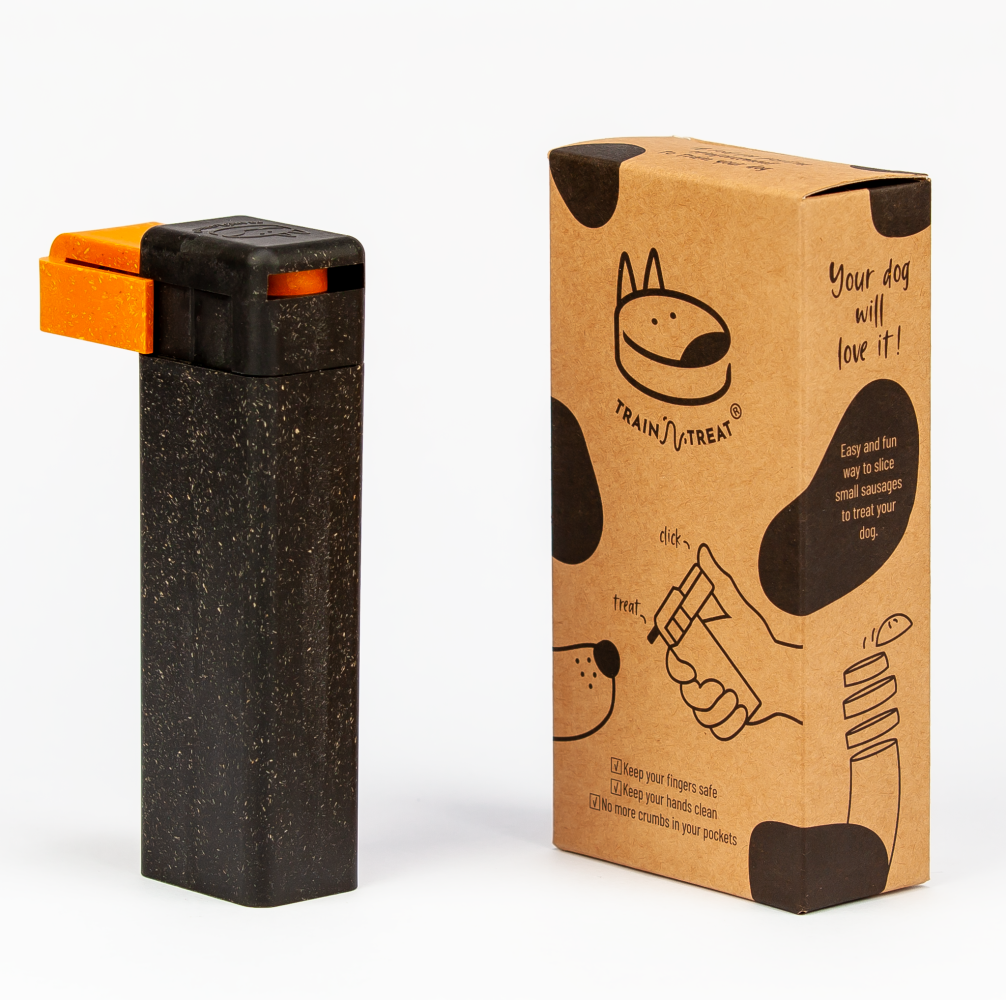
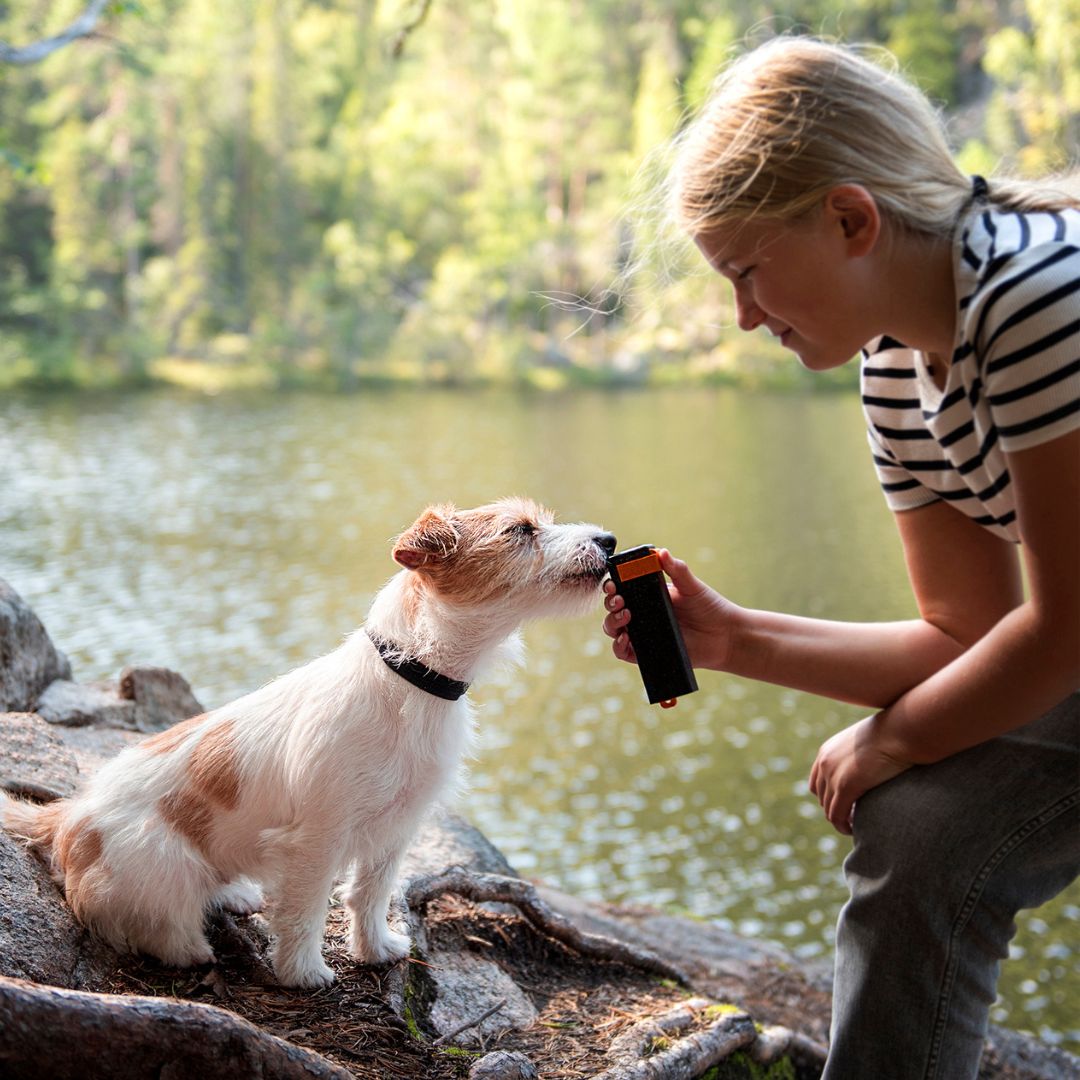
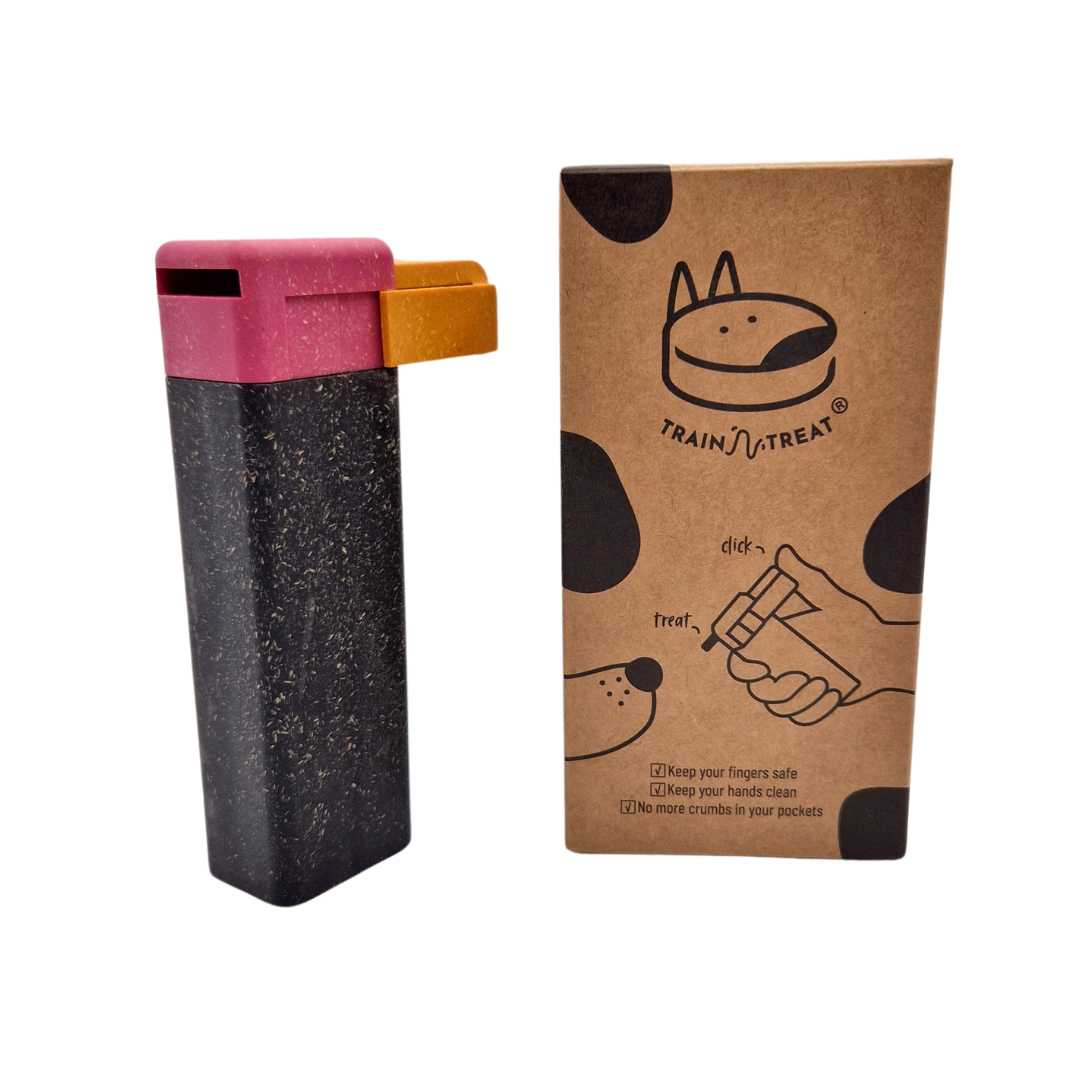
This is also the everyday problem that inspired us to develop Train'N'Treat®. Read the Story behing the product.
We wanted food rewards (high-value treat) to be quick and easy to deliver during training – particularly when using soft treats.
The tool itself does not train your dog.
You do.
But the right training tool can make it faster, easier and safer to reward the right behaviour at the right moment.
Your Puppy Doesn't Need to Be Perfect
When you bring a puppy home, it is easy to focus on everything that is going wrong.
The puddle on the floor.
The chewed shoe.
The pulling.
The barking.
The biting.
The moments when your puppy appears to hear absolutely nothing you say.
But look at the situation from your puppy's perspective.
It has arrived in an unfamiliar world filled with rules it does not understand.
And you are the person teaching it how this world works.
You do not need to solve everything today.
Choose the skills that make everyday life easier.
Reward the behaviour you want to see again.
Make exercises easy enough for your puppy to succeed.
Allow your puppy to explore.
Protect its need for sleep and rest.
And remember to enjoy puppyhood too.
It goes surprisingly quickly.
A well-trained dog isn't created by one perfect training session.
It grows from thousands of small moments when the dog discovers:
"That worked."
"I understand."
"I can trust you."
And then you learn a little more together.
Frequently Asked Questions About Puppy Training
Why does my puppy bite me?
Puppy biting is normal and is part of exploration and play. Biting may also increase when a puppy is excited or overtired. Redirect biting towards appropriate chew toys and make sure your puppy has enough opportunities to rest.
Why does my puppy pee inside after being outside?
Young puppies are still developing bladder control and learning where they should eliminate. Take your puppy outside frequently, particularly after sleeping, eating and playing, and reward successful toileting outdoors.
Why won't my puppy calm down?
Your puppy may need activity, but an inability to settle can also be associated with tiredness or too much stimulation. Make sure your puppy has regular opportunities for uninterrupted rest.
How do I stop my puppy pulling on the leash?
Start loose leash training in an easy environment. Reward your puppy when the leash is loose and gradually introduce more difficult environments and distractions.
Why doesn't my puppy listen outside?
The outside environment may simply be more interesting or challenging than your home. Increase distance from distractions, make the exercise easier and use rewards that are valuable enough for that environment.
Should my puppy meet every dog?
No. Socialisation does not require greeting every dog. Puppies should also learn to observe and pass other dogs calmly.
How do I teach my puppy to come when called?
Start in an easy environment with few distractions. Call your puppy when it is likely to respond and reward generously when it comes to you. Gradually increase the difficulty as the behaviour becomes stronger.
How long should I train my puppy?
Puppy training sessions can be very short. A few successful repetitions can be more useful than continuing until the puppy loses concentration. Training also happens naturally throughout everyday life.
What are the most important things to teach a puppy?
Rather than focusing on a long list of commands, build skills that make everyday life easier: trust, attention, recall, loose leash walking, calmness, handling, waiting and the ability to learn with you.
What should I do when puppy training feels overwhelming?
Make things simpler. You do not need to teach everything at once. Concentrate on safety, trust, everyday skills, rest and creating successful learning experiences. Puppyhood is the beginning of your relationship, not a deadline for creating a perfectly trained dog.